





Description
Product Introduction & Engineering Value
If you’re maintaining an established RX3i control system that relies on dedicated serial communications or standalone Ethernet interface cards (like the IC695ETM001), the GE Fanuc IC695CPU310-ACAT is a proven, battle-tested workhorse. Powered by a 300 MHz Celeron engine and offering 10 MB of user memory, it delivers fast, deterministic scan times across high-channel-count digital and analog I/O backplanes.
Unlike the CPE-series processors that integrate Ethernet directly onto the CPU front panel, the CPU310 keeps serial protocol execution lean and efficient via its dedicated RS-232 and RS-485 ports. This hardware separation allows control engineers to isolate serial field networks—like legacy power meters or barcode readers—directly on the processor while routing high-speed plant network traffic through dedicated expansion cards on the PCI bus.
Technical Specifications
- Processor Speed: 300 MHz Intel Celeron CPU
- User Memory: 10 MB User Logic and Data RAM
- Serial Communications: 1 RS-232 Port (COM1, 9-pin D-sub), 1 RS-485 Port (COM2, 15-pin D-sub)
- Supported Protocols: SNP Slave, Serial I/O, Modbus RTU Slave (Master via software function blocks)
- Backplane Power Usage: 1.0 A @ 3.3 VDC / 1.2 A @ 5 VDC
- Boolean Execution Time: 0.072 µs per boolean instruction
- Slot Width: Single Slot occupancy on RX3i Universal Baseplate (IC695CHS012)
- Memory Protection: Lithium Battery Backup (IC693ACC301 or IC698ACC701 battery assembly)
- Status Diagnostics: 6 Front Panel LEDs (
CPU OK,RUN,OUTPUTS ENABLED,I/O FORCE,BATTERY,SYSTEM FAULT)
Field Application & The “Trench” Experience
The Trench Story: During an emergency night outage at a water reclamation plant, a main lift pump controller suffered a memory lockup following a battery failure and brownout. The legacy IC695CPU310 module refused to clear its internal system fault LED. The plant tech unmounted the faulty processor, installed a bench-tested surplus IC695CPU310-ACAT, connected a new lithium battery pack, and initialized an RS-232 upload via PAC Machine Edition. The new module cleared all system faults immediately, recognized the existing ETM001 Ethernet module, and restored full telemetry to the SCADA head-end in 20 minutes.
- Legacy Substation Serial Telemetry: Polling multi-drop power meters and protective relays over RS-485 Modbus RTU loop networks.
- Stand-Alone OEM Machinery: Driving high-speed indexers and hydraulic power units using local PCI backplane I/O without needing plant Ethernet integration.
- Phased System Migration Racks: Hosting Series 90-30 I/O cards alongside new RX3i high-speed modules in a central IC695CHS012 baseplate.
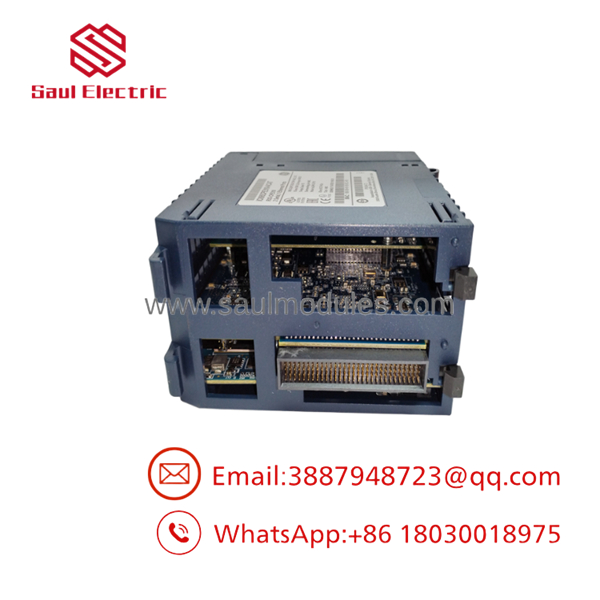
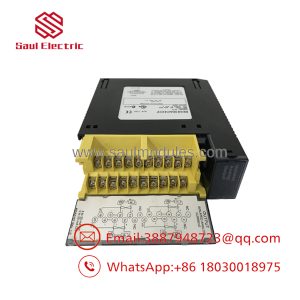
- IC695CPU310-ACAT
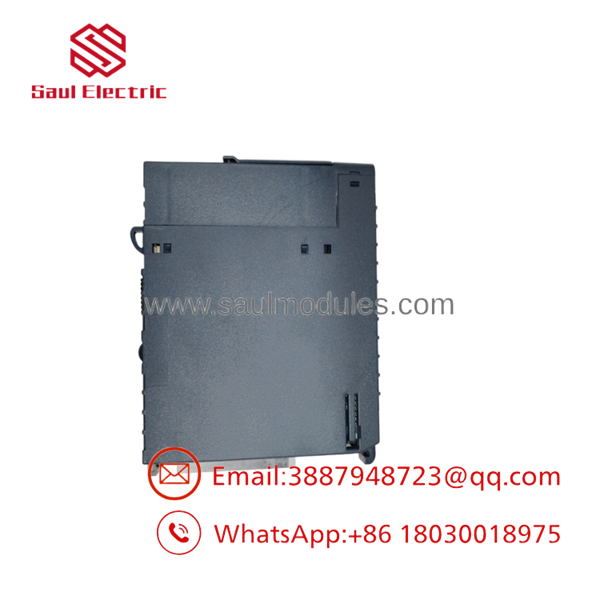
- IC695CPU310-ACAT
Transparency SOP: QA & Testing
- Physical & Connector Audit: Thorough visual check of backplane card-edge gold contacts, housing latches, front bezel LED windows, and COM1/COM2 connector pins.
- Rack Power-On Self Test (POST): Mounting onto an RX3i universal rack (IC695CHS012) under dual power supply loads to verify boot sequence and baseline
CPU OKgreen LED activation. - RAM & Flash Memory Diagnostic: Performing complete address-space RAM read/write validation across the entire 10 MB user memory block and testing non-volatile storage writing.
- Serial Communications Stress Test: Transmitting high-baud-rate data packets through both COM1 (RS-232) and COM2 (RS-485) ports to verify noise rejection and communication buffer stability.
- I/O Bus & Execution Test: Executing a multi-thousand-step test program driving digital, analog, and expansion rack modules to verify PCI and serial backplane bus synchronization.
The Veteran’s Tech Trap Guide
⚠️ CPU310 vs. CPE310 Hardware Distinction: Do not confuse the IC695CPU310 with the IC695CPE310. The CPU310 features two front serial ports (D-sub connectors) and no built-in Ethernet ports. If your control panel relies on direct Ethernet connectivity into the CPU faceplate, you will need either the CPE310 model or a separate IC695ETM001 Ethernet card plugged into an adjacent rack slot!
⚠️ Lithium Battery Requirement: The CPU310 relies on a physical lithium battery plugged into the front housing port to retain user logic and %R memory tables during power-off states. If you see a solid red BATTERY LED, replace the battery pack immediately while the rack is powered ON; turning off panel power with a dead battery will drop the CPU program to factory blank.
PRO TIP: When connecting an RS-232 serial cable to COM1 for programming or monitoring, ensure you use the proper GE-compatible shielded cable (such as IC690ACC901). Standard off-the-shelf straight-through serial extension cables can ground out handshake pins and cause the COM port to lock up until the module is power-cycled.
Dynamic FAQ
Q: Can I program the -ACAT using PAC Machine Edition software? A: Yes. The -ACAT is fully supported in all versions of PAC Machine Edition (PME) and Logicmaster 90-30 / VersaPro (depending on firmware revision). In PME, simply select from the RX3i hardware catalog.
Q: Does this CPU require an external 24 VDC power connection? A: No. The draws all required logic operating power directly from the RX3i universal backplane (3.3 VDC and 5 VDC power rails supplied by an IC695PSD or IC695PSA power supply module in Slot 0).
Q: What is the purpose of the two front serial ports? A: COM1 (RS-232, 9-pin) is primarily used for direct PC programming connections, operator interface displays, or point-to-point serial devices. COM2 (RS-485, 15-pin) is designed for multi-drop serial networks like Modbus RTU or GE SNP networks over longer cable distances.
Q: How are your surplus -ACAT modules tested prior to shipment? A: Every surplus -ACAT processor undergoes full physical inspection, 10MB memory address testing, serial port communication checks on COM1/COM2, and a multi-hour thermal burn-in run inside an active RX3i test rack before being vacuum-sealed in ESD anti-static packaging.

 Start Chat


