





Description
Product Introduction & Engineering Value
Upgrading legacy VMEbus control architectures to interface with distributed Genius I/O often leaves engineers scrambling for complex custom gateways. The Horner HE700GEN200 solves this headache by providing a native, dual-channel Genius Bus Interface directly in the VME chassis slot. It drops in to replace or co-exist with standard Genius Bus Controllers (GBC), bridging the gap between high-speed VME processing and proven field I/O.
Featuring two independent Genius communication channels (Serial 1, Serial 2, Shield In, Shield Out terminals), the module facilitates dual-redundant topology or expanded multi-drop polling for up to 32 network nodes per line. Hardware settings are executed on-board via clear DIP switch arrays, ensuring zero software-configuration bloat during initial rack commissioning.
Technical Specifications
| Parameter | Specification |
| System Architecture | Standard VMEbus Rack / GE Fanuc VME System |
| Genius Channels | 2 Independent Channels (Dual-Channel uGENI) |
| Baud Rate Support | 153.6k baud Standard Genius Bus, 153.6k Extended, 76.8k, 38.4k baud |
| Node Capacity | Up to 32 Genius devices per channel (daisy-chained) |
| Front Terminal Connections | Heavy-duty screw-type front panel terminals |
| Backplane Power Input | 5 VDC Nominal |
| Current / Power Draw | 200 mA @ 5 VDC / ~1 Watt consumption |
| Hardware Configuration | On-board DIP switch block for SBA and baud rate settings |
| Operating Temp Range | 0°C to +60°C (32°F to 140°F) |
| Relative Humidity | 5% to 95% non-condensing |
Field Application & The “Trench” Experience
In a turbine control retrofit at a paper mill, a VME-based main execution computer needed to command existing Genius blocks across two separate motor control centers without disturbing the field wiring. Instead of running hundreds of feet of fresh copper I/O back to a new PLC rack, we installed an HE700GEN200 into the VME rack, set the Serial Bus Address (SBA) via the DIP switches, attached 75-ohm terminating resistors at the ends of both channels, and established dual-redundant Genius bus communication within 45 minutes.
Niche Application Scenarios:
- Redundant Generator Control: Operating dual Genius loops on power generation skids where loss of a single cable line cannot crash the system.
- Steel Rolling Mill Drive Sync: Feeding high-speed run/stop and torque command signals from a VME chassis out to Genius Power Blocks.
- Legacy Retrofits: Interfacing modern VME single-board computers (SBCs) directly into legacy GE Fanuc Series 90-70 Genius I/O networks.
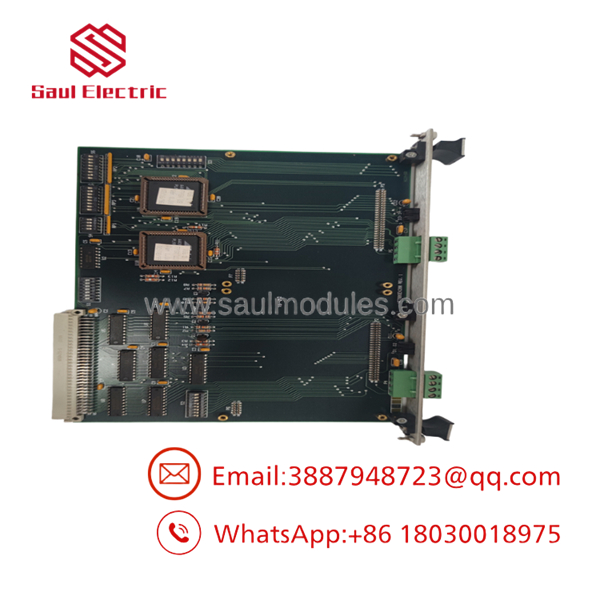
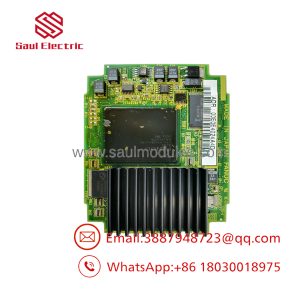
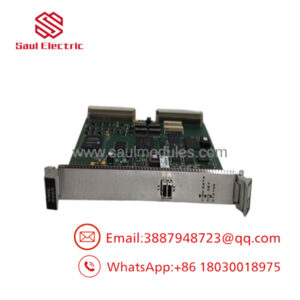
- HE700GEN200
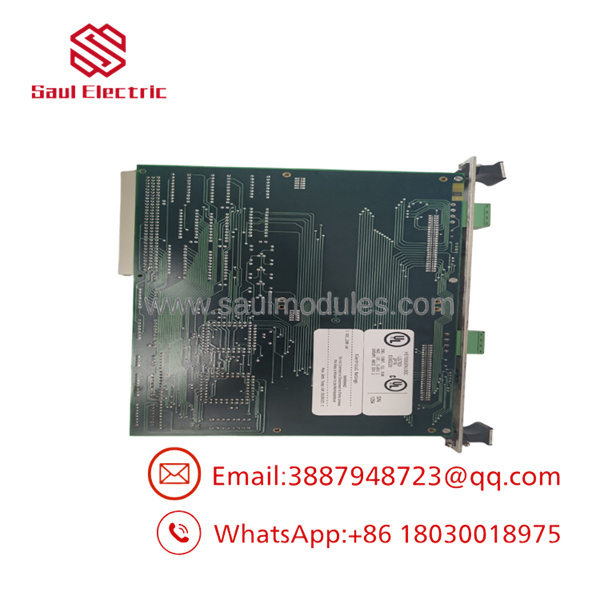
- HE700GEN200
Transparency SOP: QA & Testing
To guarantee that our New Surplus and Remanufactured HE700GEN200 inventory holds up under harsh continuous duty, our shop follows a rigorous 5-step validation procedure:
- VME Card Edge & Solder Audit: Inspection under magnification for trace lifting, micro-fractures on gold backplane fingers, and daughtercard mating condition.
- DIP Switch & Jumpers Test: Polarity and contact resistance verification across all DIP switch positions.
- Low-Power 5V Rail Test: Bench power-up verifying draw remains steady at the target ~200 mA @ 5 VDC spec.
- Dual-Channel Loopback Stressing: Mounting the module in a live VME test chassis, connecting both Genius channels to active Genius I/O blocks, and running continuous token-passing tests for 6 hours.
- Noise & Termination Validation: Scope-testing line signal integrity across Serial 1 and Serial 2 under induced electrical noise conditions.
The Veteran’s Tech Trap Guide
- ⚠️ Mismatched Termination Resistors: Genius networks are notoriously picky about bus termination. You must install a proper terminating resistor (typically 75 Ω to 150 Ω depending on cable type and baud rate) between Serial 1 and Serial 2 at both physical ends of the line. Leaving a channel open leads to intermittent frame errors and dropped tokens.
- PRO TIP: Take note of your Serial Bus Address (SBA) settings! Every device on a Genius network must have a unique SBA (0 to 31). If the HE700GEN200 is set to the same SBA as another Genius Bus Controller or field block, the entire bus will crash on power-up.
- ⚠️ Daughterboard Alignment: The utilizes internal piggyback daughterboards (such as the GNI2C1). Before dropping the card into a live rack, ensure the internal daughtercard standoff screws are fully torqued down—vibration in industrial environments can loosen internal board interconnections.
Dynamic FAQ
Q: What is the difference between the Horner HE700GEN100 and the ?
A: The HE700GEN100 is a single-channel Genius interface module, whereas the provides two independent Genius channels on a single VME card for dual-network or redundant cabling applications.
Q: Does this card require software drivers to set the baud rate and node address?
A: No, basic physical network parameters (such as Serial Bus Address and baud rate) are set via on-board DIP switches directly on the module.
Q: Can the co-exist with standard GE Fanuc Genius Bus Controllers (GBCs)?
A: Yes, the uGENI module is designed to work in conjunction with or replace standard Genius Bus Controllers on the network.
Q: Are these modules sold tested with a warranty?
A: Absolutely. Every shipped is bench-tested under live VME and Genius network loads and comes backed by our 1-Year replacement warranty.

 Start Chat


