





Description
Product Introduction & Engineering Value
Upgrading older Series 90-70 systems or deploying high-density PACSystems RX7i controllers requires a chassis that can handle high data throughput without backplane bus contention. The GE Fanuc IC698CHS117C provides a massive 17-slot VME64 backplane footprint, giving engineering teams the physical space and communication bandwidth needed for large-scale process automation.
Because the RX7i platform leverages a high-speed VME64 architecture, this baseplate handles both standard Series 90-70 VME cards and dedicated RX7i advanced processors on the same physical bus. Revision C incorporates reinforced backplane mounting rails and enhanced ground plane shielding, making it far more resilient against high-vibration and electrically noisy industrial environments.
Technical Specifications
| Parameter | Specification |
| Module Type | 17-Slot VME64 Extended Baseplate (Chassis) |
| Backplane Architecture | High-speed VME64 (Backward compatible with Series 90-70 modules) |
| Slot Count | 17 Physical Slots (Slot 1 reserved for CPU; Slot 17/18 for Power Supply) |
| Mounting Style | 19-inch Standard Equipment Rack Mount or Direct Panel Mount |
| Backplane Current Capacity | Supports up to 100A combined on the +5V DC bus |
| VME Bus Data Rate | Up to 80 MB/s transfer bandwidth across VME64 bus |
| Physical Dimensions | 19.0″ W x 10.5″ H x 8.0″ D (Standard 6U VME Form Factor) |
| Operating Temperature | 0°C to 60°C (32°F to 140°F) |
| Module Compatibility | PACSystems RX7i CPUs (IC698) & Series 90-70 VME modules (IC697) |
| Weight | ~14.5 lbs (6.58 kg) unpopulated |
Field Application & The “Trench” Experience
During an emergency overhaul at a regional steel rolling mill, the main automation rack’s backplane suffered physical pin damage in Slot 3 following a improper card removal under load. The rack housed an RX7i CPU alongside multiple high-speed encoder interfaces and legacy Series 90-70 Genius controllers.
The engineering crew swapped out the damaged chassis with a replacement IC698CHS117C. Thanks to the backward compatibility of the VME64 backplane layout, they transferred all 15 existing RX7i and Series 90-70 cards directly into the new rack. The entire 17-slot system passed diagnostic boot checks on the first powerup, avoiding days of re-engineering or panel rewiring.
Target Application Scenarios:
- Metals & Mining Rolling Mills: Running multi-axis high-speed drive synchronization where bus speed is critical.
- Large Power Generation Control: Consolidating main RX7i CPUs, Ethernet modules, and legacy 90-70 I/O drops into a single central enclosure.
- Migration Bridge Systems: Servicing plants in transition that need to run legacy IC697 cards alongside modern IC698 processing modules.
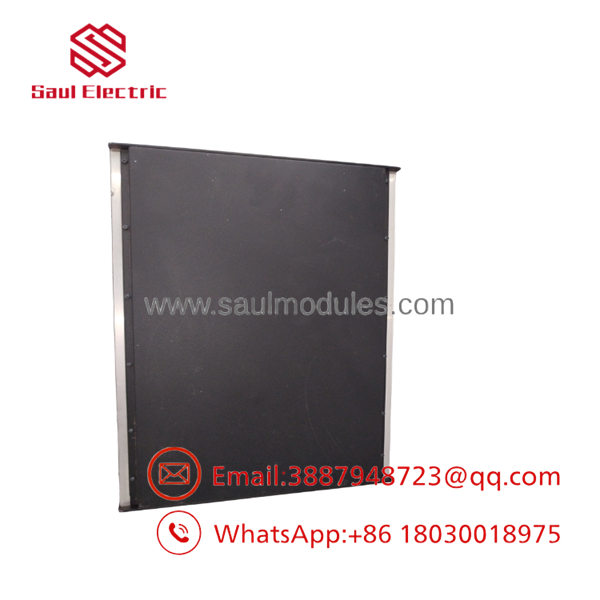
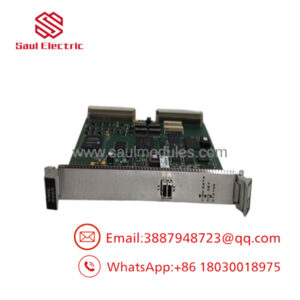
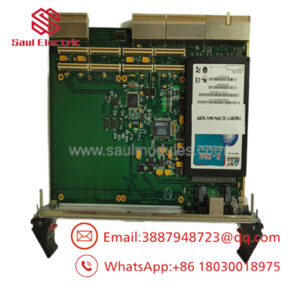
- IC698CHS117C
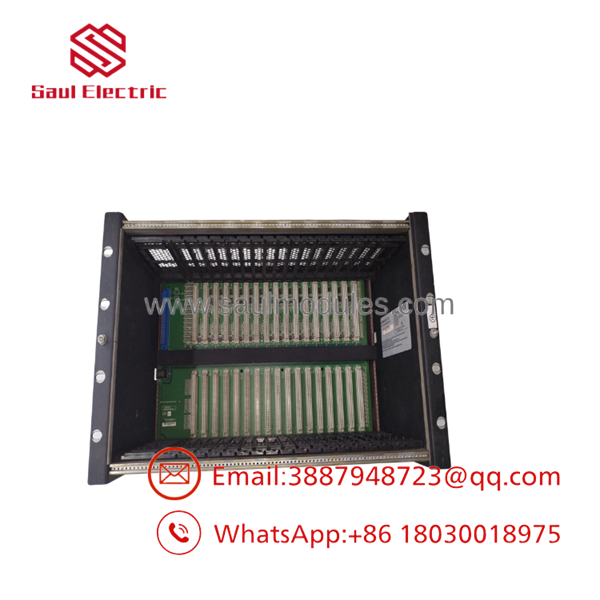
- IC698CHS117C
Transparency SOP: QA & Testing
Every IC698CHS117C chassis entering our warehouse goes through a multi-point mechanical and electrical testing protocol:
- Backplane Pin Alignment Inspection: All 17 connector pin sets are examined under 10x optical magnification to check for bent pins, oxidation, or cracked solder joints.
- Ground & Isolation Continuity Check: Multi-point resistance checks verify zero short circuits between the high-current power rails (+5V, +12V, -12V) and the frame ground plane.
- Full 17-Slot VME Bus Validation: Populated with an RX7i CPU in Slot 1 and test cards across all remaining 16 slots to verify unbroken slot-sensing and interrupt-chain pass-through logic.
- High-Current Stress Test: Energized under maximum nominal power load for 8 hours to confirm zero trace overheating or voltage drop across the backplane bus.
The Veteran’s Tech Trap Guide
⚠️ SLOT 1 DEDICATION: Slot 1 on the IC698CHS117C backplane is strictly reserved for the main PACSystems RX7i CPU (such as an IC698CRE030 or CPG110). Installing standard I/O cards or communication modules into Slot 1 will prevent system initialization and can cause backplane bus faults.
⚠️ POWER SUPPLY POSITIONING: High-capacity RX7i power supplies (IC698PWR014 / PWR024) occupy double-width slots on the far right end of the chassis. Always verify that the power supply’s backplane retention screws are fully tightened to ensure low-resistance contact on the high-current 5V ground bus bars!
PRO TIP: If you are migrating legacy Series 90-70 modules into this RX7i chassis, ensure that all unpopulated slots between populated cards have VME interrupt jumper cards installed if required by your card revision. Unbroken interrupt lines are essential for reliable VME bus scanning.
Dynamic FAQ
Q: Can I use old Series 90-70 (IC697) modules in the rack?
A: Yes! The features a backplane that is backward compatible with most standard double-width Series 90-70 I/O cards and option modules.
Q: What is the difference between Revision C () and earlier chassis revisions?
A: Revision C features upgraded physical grounding straps, improved mechanical stiffening across the 19-inch frame to prevent flex, and enhanced trace isolation on the high-speed VME data lines.
Q: Does this chassis include a power supply, or is it sold separately?
A: The is an unpopulated backplane/chassis assembly. Power supplies (e.g., IC698PWR014) and fan trays (e.g., IC698ACC701) are separate items.
Q: What condition is your stock in, and what warranty covers this rack?
A: We stock both New Surplus and fully bench-tested refurbished units. Each chassis comes backed by our standard 2-year full replacement warranty.
Q: Does this rack require active cooling fans?
A: While the chassis itself is passive, fully populating a 17-slot RX7i rack with high-speed processors and communication cards generates significant thermal load. Installing an RX7i Fan Tray Assembly directly below the chassis is strongly recommended for panel ambient temperatures above 40°C.

 Start Chat


