





Description
Product Introduction
The GE Fanuc PACSystems RX7i IC698CPE020 is a high-performance central processing unit designed to serve as the master controller for large-scale, high-density automation systems. Built on the VME64 backplane standard, the RX7i platform was introduced as the modern, high-speed successor to the legacy Series 90-70 PLC series, allowing plants to migrate to the PACSystems control engine without replacing their existing VME I/O infrastructure.
Powered by a 300 MHz Intel Celeron processor with 10 Megabytes of battery-backed user RAM and 10 Megabytes of non-volatile Flash memory, the IC698CPE020 handles complex, deterministic control logic and high-volume data exchange. It features two built-in Ethernet ports (10/100 Mbps) supporting Modbus TCP and SRTP protocols, as well as three RS-232/RS-485 serial ports, eliminating the need for standalone communication co-processors in many application configurations.
Key Technical Specifications
| Parameter | Value |
| Microprocessor | 300 MHz Intel Celeron |
| User Logic RAM | 10 MB Battery-Backed CMOS RAM |
| Flash Memory | 10 MB Non-Volatile Flash (for program & firmware backup) |
| I/O Capacity | Up to 32,000 Discrete I/O, 32,000 Analog I/O points |
| Backplane Interface | VME64 Standard (Installs in Slot 1 of RX7i rack) |
| Embedded Ethernet | 2 Ports (10/100Base-TX) with auto-negotiation |
| Embedded Serial Ports | 3 Ports (RS-232 / RS-485 configurable) |
| Supported Protocols | SRTP, Modbus TCP, SNP/SNP-X, Serial I/O Read/Write |
| Battery Backup | Dual battery support for extended RAM retention |
| Power Consumption | Draws power from +5V and +12V VME backplane rails |
Application Scenarios & The “Trench” Experience
When a master RX7i CPU module drops offline, entire processing units lose coordination. Because RX7i systems often sit at the head of high-throughput process lines or turbine trip control loops, CPU failure brings plant-wide operations to an instant halt.
- Power Generation & Turbine Control – Executing high-speed governor loops, trip interlocks, and generator synchronization algorithms.
- Large Water/Wastewater Treatment Plants – Serving as the central controller polling dozens of distributed RX3i, Series 90-30, and Genius I/O sub-networks over Ethernet.
- Metals & Heavy Processing – Managing multi-axis drive synchronization and automated gauge control in hot rolling mills.
Field Case Study: A municipal power plant experienced a fatal memory parity fault on an older IC698CPE010 processor during a peak load cycle. Upgrading to the higher-memory IC698CPE020 resolved scan-time bottlenecks caused by expanded Modbus TCP polling loops. Sourcing a pre-tested surplus CPE020 allowed engineers to load the PAC Machine Edition project backup, re-establish Modbus telemetry across 14 remote drops, and restore automatic grid dispatch in under 45 minutes.
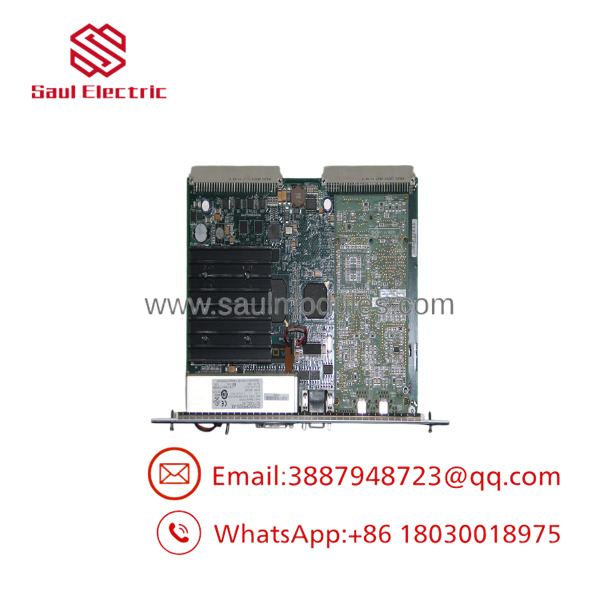
IC698CPE020
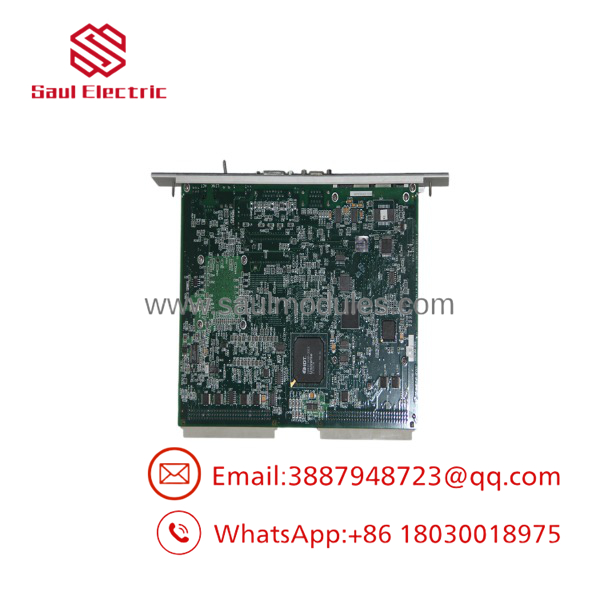
IC698CPE020
Transparency SOP: Quality Assurance & Testing
Testing PACSystems RX7i VME CPUs requires a dedicated RX7i chassis, active VME backplane handshakes, and simultaneous multi-port network stress testing.
- Inbound Mechanical Inspection: Inspect VME gold backplane connectors, faceplate ejection levers, Ethernet RJ-45 pins, and serial port threads.
- Backplane Boot & POST Check: Mount in Slot 1 of an RX7i test rack, verify Power-On Self Test (POST) LED sequences, and clear fault tables using PAC Machine Edition.
- RAM & Flash Stress Test: Write and verify a full 10MB test routine across both CMOS RAM and non-volatile Flash, validating memory retention across simulated power cycles.
- Multi-Port Communication Test: Run continuous full-duplex traffic across both embedded Ethernet ports and all three serial channels under 100% CPU scan load.
- ESD Packaging & Battery Prep: Disconnect the lithium battery during transit to prevent battery drain, wrap in an ESD shielding bag, and package inside custom dense foam boxes.
The Veteran’s Tech Trap Guide (Crucial Value-Add)
⚠️ Slot 1 Requirement: Like its Series 90-70 predecessors, the IC698CPE020 MUST be installed into Slot 1 (the leftmost slot) of the primary RX7i rack (IC698CHS017). Installing it in any other slot or expansion chassis will prevent system boot and VMEbus arbitration.
❗ Observe the Battery Connection Switch! The IC698CPE020 relies on a front-accessible lithium battery module (IC698ACC701) to retain RAM memory during power loss. Always ensure the battery connector is seated tightly and the faceplate battery switch is activated before downloading the logic project—otherwise, a main breaker disconnect will clear the RAM memory!
⚠️ Check Firmware & PAC Machine Edition (PME) Compatibility! When replacing an IC698CPE020 or upgrading from a CPE010, verify that your PAC Machine Edition software version supports the CPU’s specific firmware revision. Down-level software definitions can cause configuration upload/download mismatches or prevent Ethernet port setup.
Frequently Asked Questions (FAQ)
Q: Can the directly control legacy Series 90-70 VME I/O cards?
A: Yes! One of the key design benefits of the PACSystems RX7i platform is its ability to host legacy Series 90-70 I/O cards in the same VME rack, allowing for stepwise migration of legacy systems.
Q: What is the main difference between the IC698CPE010 and ?
A: The features a faster 300 MHz Celeron processor and expanded memory (10 MB RAM / 10 MB Flash), compared to the CPE010 which features a slower processor and 10 MB RAM / 0 MB user Flash.
Q: What programming software is required for the ?
A: Programming and hardware configuration are handled using Emerson / GE PAC Machine Edition (PME) Logic Developer – PLC software.
Q: Is the hot-swappable?
A: No. RX7i VME racks do NOT support hot-swapping CPU modules. Always disconnect main power to the rack chassis before removing or inserting the processor card.
Q: What warranty is offered with this module?
A: All new surplus and bench-tested pre-owned modules supplied from stock carry a full 12-month replacement warranty.

 Start Chat


