





Description
Product Introduction & Engineering Value
Unexpected analog measurement drift is often traced back to aging input hardware rather than field transmitters. The GE IC693ALG221 is designed to acquire stable analog process signals and transfer them to the PLC with consistent accuracy for monitoring and control applications.
Compatible with the Series 90-30 platform, this module is commonly found in legacy automation systems that continue to operate in manufacturing, water treatment, and process facilities where dependable analog acquisition remains essential.
Technical Specifications
| Parameter | Specification |
|---|---|
| Model Number | IC693ALG221 |
| Manufacturer | GE Intelligent Platforms |
| Product Family | Series 90-30 |
| Module Type | Analog Input |
| Input Channels | 4 Differential Channels |
| Supported Inputs | Voltage and Current (configuration dependent) |
| Resolution | 12-bit ADC |
| Isolation | Designed for industrial control environments |
| Mounting | Series 90-30 Rack/Baseplate |
| PLC Compatibility | Series 90-30 CPUs |
| Status Indicators | Front-panel diagnostic LEDs |
| Operating Environment | Industrial control cabinet installation |
Note: Exact input ranges and configuration options depend on the hardware revision and PLC configuration software.
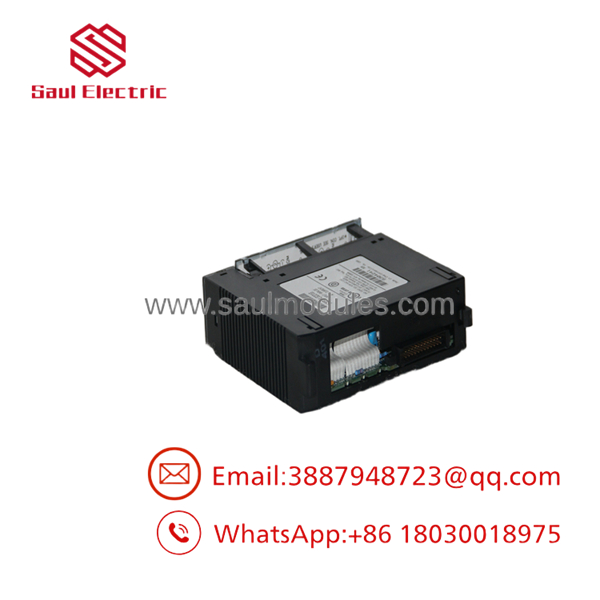
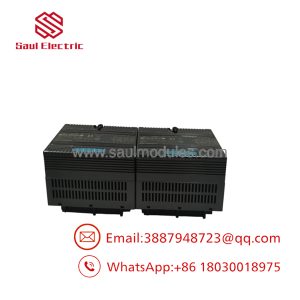
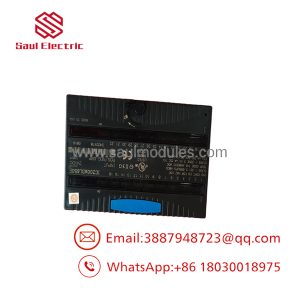
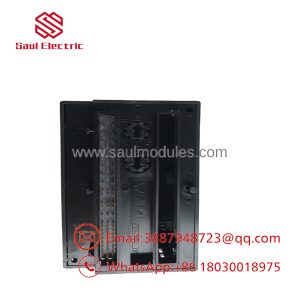
IC693ALG221
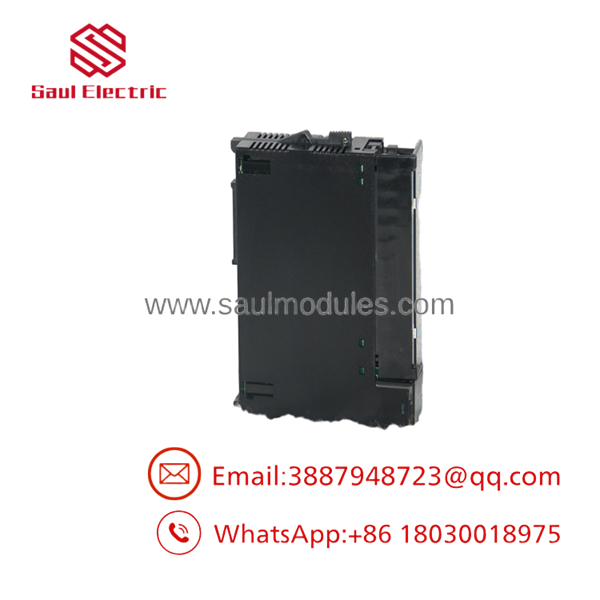
IC693ALG221
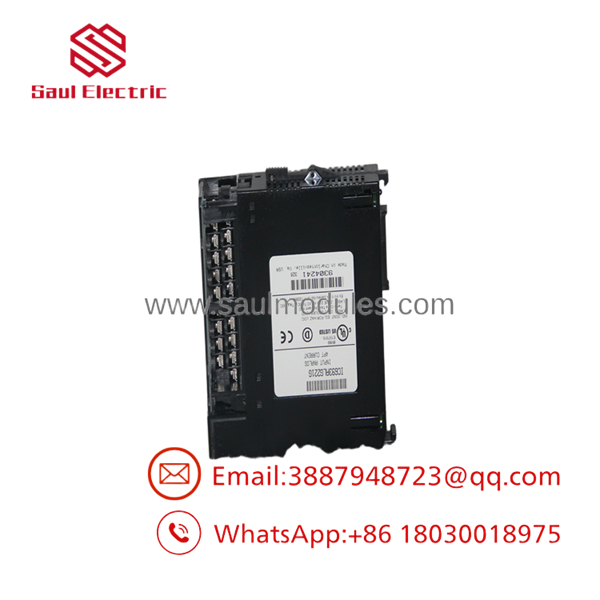
IC693ALG221
Field Application & The “Trench” Experience
During a scheduled outage at a municipal water treatment facility, operators began receiving unstable reservoir level readings after replacing several pressure transmitters. Initial troubleshooting focused on wiring and transmitter calibration, but the actual fault originated from an aging analog input module. Replacing the IC693ALG221 restored stable measurements immediately, eliminating unnecessary recalibration work and allowing the control loops to return to normal operation before production resumed.
Typical applications include:
- Boiler drum level monitoring
- Catalytic cracking unit temperature acquisition
- Chemical dosing skid instrumentation
- Water treatment flow transmitter monitoring
- Industrial furnace process measurement
Transparency SOP: QA & Testing
Before shipment, every available module follows a documented inspection process.
- Visual inspection for connector damage, corrosion, contamination, and PCB integrity.
- Part number, hardware revision, and identification label verification.
- Rack installation and power-up verification using a compatible Series 90-30 PLC.
- Analog channel functional testing with calibrated voltage and current signal sources.
- Diagnostic LED inspection and communication verification.
- Final packaging using ESD-safe materials and protective cushioning.
For New Surplus inventory, factory packaging and physical condition are verified before release. Refurbished units undergo additional functional testing before approval for shipment.
The Veteran’s Tech Trap Guide
⚠️ Firmware Compatibility
Although the module itself generally requires minimal configuration, verify CPU firmware and programming software compatibility when replacing hardware in older Series 90-30 systems.
⚠️ Signal Type Configuration
Always confirm whether each channel is configured for voltage or current input. Applying the wrong signal type can produce misleading process values without generating an obvious hardware fault.
PRO TIP: Verify Scaling
Many apparent hardware failures are actually scaling errors inside the PLC program. Confirm engineering units and raw count conversion before replacing the module.
⚠️ Check Terminal Wiring
Differential analog inputs require correct polarity and grounding practices. Ground loops or incorrect shield termination frequently introduce unstable readings.
Dynamic FAQ
Q1. Is the IC693ALG221 compatible with every Series 90-30 CPU?
It is designed for the GE Series 90-30 platform. Always verify compatibility with your specific CPU model, rack configuration, and PLC firmware revision before installation.
Q2. Can this module accept both voltage and current signals?
Yes. Supported signal types depend on the channel configuration and application requirements. Always consult the hardware documentation before wiring field devices.
Q3. Is programming required after replacement?
In most replacement scenarios, the existing PLC configuration recognizes the module if the hardware configuration remains unchanged. Nevertheless, verifying the hardware configuration and analog scaling after installation is recommended.
Q4. How can I determine whether the module or the field transmitter is causing incorrect readings?
A calibrated signal generator is the quickest diagnostic tool. Injecting a known analog signal directly into the module helps isolate whether the issue lies with the transmitter, wiring, or input hardware.
Q5. Is New Surplus equipment genuinely unused?
Yes. New Surplus modules are unused inventory retained from original production or authorized stock. Packaging condition may vary due to storage duration, but the hardware has not been placed into operational service.
Q6. Is a warranty available?
Warranty terms vary by supplier and inventory condition (New Surplus or Refurbished). Confirm warranty coverage and testing documentation before placing an order.

 Start Chat


