





Description
Key Technical Specifications
| Parameter | Value |
|---|---|
| Manufacturer | GE |
| Model Number | IS200AEADH1A |
| Series | Mark VIe |
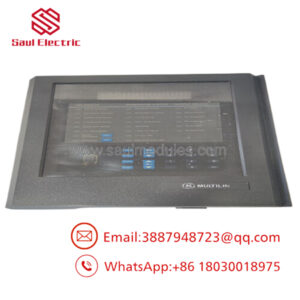
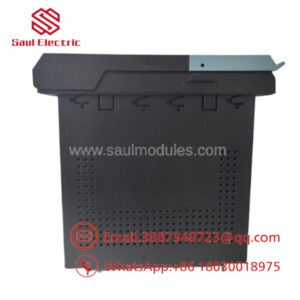
| Product Type | Input/output grid fork board |
| Application | Gas and steam turbine control |
| Board Style | Rectangular PCB assembly |
| Connector Layout | Multiple terminal strips and board connectors |
| Mounting | Rack-mounted turbine control system board |
| Origin | United States |
| Revision Suffix | H1A |
Product Introduction & Supply Chain Strategy
GE IS200AEADH1A is a Mark VIe turbine control board used to route and manage I/O signals in gas and steam turbine systems. It belongs to the legacy Speedtronic control family, where board-level continuity and exact form-fit-function replacement matter more than generic electronics sourcing.
Buying it as New Surplus makes strategic sense because turbine boards are high-consequence spares with limited replenishment flexibility. For this class of part, Total Cost of Ownership is dominated by outage exposure, lead time variability, and obsolescence risk, so buffer stock is usually cheaper than emergency procurement during a shutdown.
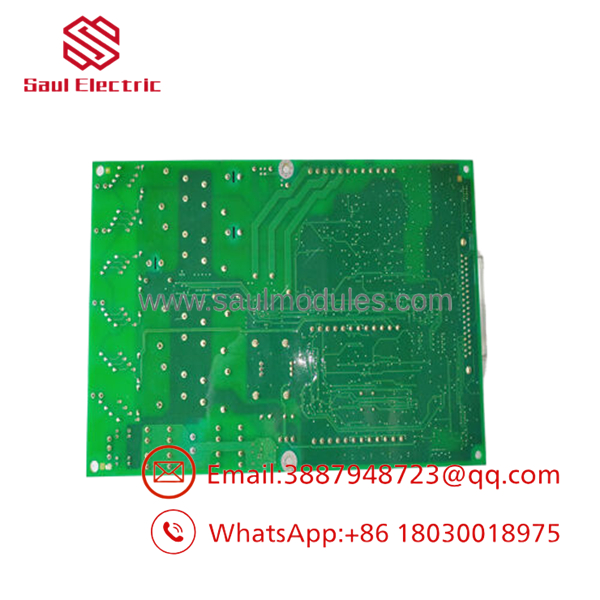
- IS200AEADH1A
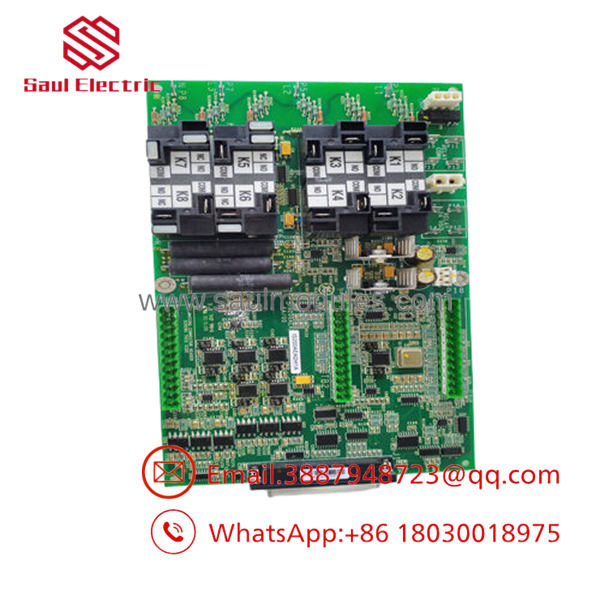
- IS200AEADH1A
Installation & Configuration Guide
Stage 1: Pre-Installation
Apply lock-out/tag-out and confirm the cabinet is fully de-energized. Use an ESD strap, insulated tools, and a camera. Photograph every cable, connector, and jumper position before removal.
Stage 2: Removal
Disconnect field wiring carefully and label each lead as it comes off. Remove the board straight from the rack to avoid bending pins or stressing adjacent modules. Keep the old board until the replacement has passed functional checks.
Stage 3: Installation
Match the original wiring and connector positions exactly. Seat the board fully and confirm mechanical engagement before restoring power. Recheck terminal tightness and verify that no conductor moved during insertion.
Stage 4: Power-On & Testing
Verify the cabinet supply rails before energizing. Confirm normal startup LEDs, then check that the I/O path and turbine control signals behave as expected. Validate alarms, permissives, and any site logic before returning the system to service.
Firmware/Software Versions & Upgrade Notes
This board is part of a turbine control platform, so version control matters more than it would on a simple I/O card. Preserve the original configuration, document the installed revision, and avoid changing firmware during a routine swap unless you have a verified reason and rollback path.
A mismatch between board revision, control image, or site logic can create startup faults or signal interpretation problems. The safest approach is like-for-like replacement with configuration parity.
Frequently Asked Questions
Is this really new? The correct procurement position is New Surplus / Original New, not refurbished or repaired.
Why is it cheaper than OEM new but more expensive than a refurb unit? New Surplus comes from controlled excess inventory, so it costs less than direct factory pricing while avoiding the reliability risk of uncertain-condition parts.
Is this part obsolete or EOL? Yes, treat it as a strategic legacy spare. That means buffer stock, vendor consolidation, and last-time-buy planning are appropriate.
Can I hot-swap it? Do not assume hot-swap is safe. Turbine control boards should be replaced only under a controlled maintenance procedure.
Will the configuration stay in the module? Site settings and logic should be backed up before removal, then verified after installation.
What warranty terms make sense? For New Surplus turbine control hardware, warranty should be tied to traceability, outbound testing, and condition verification. The real value is avoiding a stock-out on a critical board.

 Start Chat


