





Description
Product Introduction
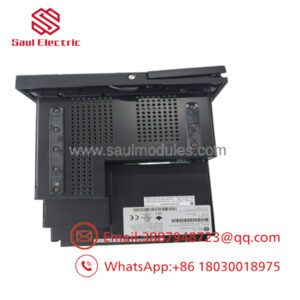
The GE / Woodward TGT-000A-4-0-AA is a heavy-duty turbine temperature transmitter and control module designed specifically for industrial gas turbines, steam turbines, and large compressor drives. Developed for GE turbine control architectures (often interfaced alongside Mark V, Mark VI, or Woodward governor systems), this unit processes high-speed thermocouple sensor arrays across the turbine exhaust duct to prevent severe over-temperature events.
Unlike standard process controllers, the TGT-000A-4-0-AA is engineered for microsecond-level signal processing to handle harsh transient thermal shifts during fast starts, load rejection, or flameout conditions. Replacing an aging or failed unit with this exact drop-in hardware ensures your turbine control loop maintains original response speeds and protective trip thresholds without requiring cabinet wiring alterations or software re-engineering.
Key Technical Specifications
| Parameter | Value |
| Manufacturer | GE / Woodward Co-Development |
| Model Code | TGT-000A-4-0-AA |
| Input Signals | Multi-channel Thermocouples (Type K / Type J arrays) |
| Cold Junction Compensation | Active onboard solid-state CJC circuitry |
| Telemetry Outputs | Isolated 4-20mA / 0-10V Analog Outputs & Relay Contacts |
| Operating Power | 24VDC Nominal (18 to 32VDC input tolerance) |
| Processing Speed | < 10 ms cycle time for critical trip evaluation |
| Mounting Configuration | Internal cabinet backplate / panel chassis mount |
| Operating Temperature | -40°C to +70°C (-40°F to 158°F) |
Application Scenarios & The “Trench” Experience
A combined-cycle power station suffered an unexpected trip on a GE Frame 6 gas turbine during peak afternoon dispatch. The central Mark VI control panel registered an erratic “Turbine Exhaust Temperature Spread High” alarm due to a failing analog input channel on an old temperature transmitter module. With grid penalties accumulating by the hour, replacing the entire transmitter chassis with an exact-match unit was the only way to re-establish verified temperature telemetry and return the turbine to service before the shift ended.
- Heavy-Duty Gas Turbine Protection – Calculating median and peak exhaust gas temperatures (EGT) across radial thermocouple rings.
- Steam Turbine Casing & Inlet Monitoring – Tracking differential thermal expansion and steam supply temperatures to prevent rotor stress.
- Large Reciprocating Engine Monitoring – Evaluating individual cylinder exhaust port temperatures on power-gen diesel and gas engines.
- Cogeneration Plant Controls – Managing fuel-limit feedback loops linked directly to heat recovery steam generators (HRSGs).
Field Case Study
During a planned turnaround at an offshore gas platform, sea air corrosion caused a total failure on the main temperature limit card controlling a turbine-driven re-injection compressor. Sourcing an updated digital system would have required weeks of re-certification and panel modifications. We supplied a fully bench-tested TGT-000A-4-0-AA unit overnight. The site team verified jumper settings, seated the module on the enclosure backplate, completed secondary millivolt signal checks, and cleared the platform for full gas compression by morning.
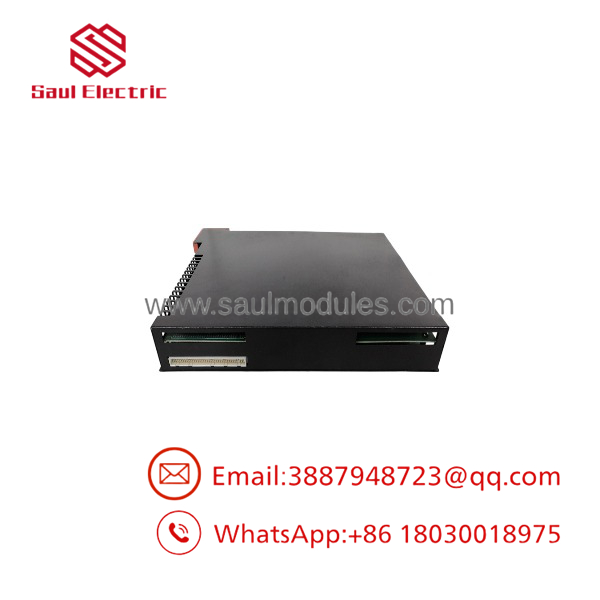
TGT-000A-4-0-AA
Transparency SOP: Quality Assurance & Testing
Turbine protection hardware leaves zero room for error. We follow a strict testing protocol on every GE / Woodward module before it enters our ready-to-ship inventory.
- Inbound Visual & Pin Audit: Inspecting card traces, ground straps, terminal block pin integrity, and checking for component heat discoloration.
- Power Rail Isolation & Stress Test: Energizing the board under high/low DC supply limits (18-32VDC) to verify onboard power regulation stability.
- Thermocouple Input Calibration: Injecting precise millivolt signals using a calibrated Fluke temperature calibrator across every input channel to verify accuracy within ±0.5°C.
- Output Loop & Relay Verification: Exercising 4-20mA telemetry feedback loops and testing trip contact closure speeds under simulated over-temperature states.
- Anti-Static ESD Packaging: Sealing the verified unit in heavy static-barrier shielding with fresh moisture-absorbent desiccant packs.
The Veteran’s Tech Trap Guide (Crucial Value-Add)
- ⚠️ Do Not Mix Thermocouple Wire Grades: Always verify that field extension wiring matches your thermocouple type (e.g., KX or JX extension wire) all the way to the module terminals. Running standard copper wire to the board bypassing the proper extension leads will defeat the Cold Junction Compensation (CJC) and corrupt temperature readings by dozens of degrees!
- ❗ Single-Point Shield Grounding: Ground the thermocouple cable shields strictly at one end (typically at the control cabinet terminal rail). Multiple earth grounds across a large turbine bedplate create ground loops that introduce high-frequency noise spikes, triggering false over-temperature trips.
- ⚠️ Verify Suffix Option Codes (“4-0-AA”): GE and Woodward use specific option suffixes to denote factory settings like analog output scaling, internal input jumpering, and enclosure bracket styles. Match every character of your failed module’s tag against the replacement unit before landing wires.
- ❗ Warm-Up Calibration Rule: Allow the module to run powered up inside its enclosure for at least 15 to 20 minutes before attempting any zero/span calibrations on the analog output loops. Cold calibration leads to signal drift as the board reaches thermal equilibrium.
Frequently Asked Questions (FAQ for Conversion)
Q: Is the TGT-000A-4-0-AA listed under GE or Woodward part numbers?
A: Both. GE frequently integrated custom-branded Woodward controllers into their turbine package designs. Depending on the system manual, it may be referenced under a GE system drawing number or the native Woodward TGT model number.
Q: Can I hot-swap this temperature module while the turbine is running?
A: No! Removing this card while the turbine is online will open the main temperature safety loop, triggering an immediate Emergency Shutdown (ESD) or leaving the prime mover completely unprotected against thermal damage.
Q: Does this module support both Type J and Type K thermocouples?
A: Yes, depending on internal hardware jumper blocks or factory option code configurations. You must confirm that your card’s jumper layout matches your field sensor types before energizing the system.
Q: What warranty coverage do you offer on these legacy turbine modules?
A: We provide a full 12-month replacement warranty on all TGT-000A-4-0-AA modules shipped, whether supplied as factory-sealed new surplus or bench-tested refurbished stock.
Q: Why choose surplus inventory over direct factory ordering?
A: Legacy turbine control modules often carry 16-to-24 week factory lead times or are completely discontinued by the OEM. Sourcing fully tested surplus inventory gets your plant back online immediately without expensive control system redesigns.

 Start Chat


