





Description
Key Technical Specifications
| Parameter | Value |
|---|---|
| Manufacturer | GE Fanuc Automation / VMIC |
| Model | VMIVME2170A |
| Product Type | 32-Bit Optically Isolated Digital Output Board |
| Bus Interface | VMEbus |
| Output Channels | 32 optically isolated digital outputs |
| Output Current | 2.5 mA or 300 mA (model/configuration dependent) |
| Output Type | Source or sink selectable |
| Isolation Voltage | 1 kV continuous, 6 kV transient |
| Output Voltage Tolerance | Up to 30 V normal mode |
| Data Transfer | 8-bit or 16-bit VME transfers |
| Address Configuration | 14-bit onboard DIP switch addressing |
| Board Format | Double Eurocard VME |
| Applications | Industrial automation, process control, high-noise environments |
The VMIVME2170A is designed for electrically noisy industrial environments where galvanic isolation is required between the VME controller and field devices.
Product Introduction
The GE VMIVME2170A is a 32-bit optically isolated digital output board developed for VMEbus-based industrial control systems. It enables a VME processor to control external equipment such as relays, contactors, solenoid valves, annunciators, and other discrete devices while maintaining electrical isolation between the control system and field wiring.
Each of the 32 output channels is optically isolated, helping eliminate ground loops and improving immunity to electrical noise. The board supports both source and sink output configurations, field-configurable pull-up resistors, and selectable positive or negative logic. These features make it suitable for power generation, factory automation, transportation, and other mission-critical embedded VME applications.
Troubleshooting Quick Reference
| Symptom | Possible Cause | Relevance | Quick Check Method | Recommendation |
|---|---|---|---|---|
| No output on any channel | VMEbus communication or board power issue | ✅ High | Verify VME backplane power and address settings | Check chassis and DIP switch configuration |
| One output channel inactive | External wiring or output driver fault | ✅ High | Measure output voltage and inspect field wiring | Verify connected load before replacing board |
| Multiple outputs fail | External supply missing | ✅ High | Check field-side pull-up voltage | Restore external supply |
| Outputs switch incorrectly | Logic polarity configuration mismatch | ⚠️ Medium | Verify positive/negative logic settings | Reconfigure jumpers or software |
| VME CPU cannot detect board | Incorrect address configuration | ✅ High | Check DIP switch address selection | Correct VME address assignment |
| Intermittent output operation | Loose VME connector or electrical noise | ⚠️ Medium | Inspect connectors and grounding | Reseat board and improve grounding |
| Output overload | Excessive load current | ⚠️ Medium | Measure channel current | Keep load within rated specifications |
Field Tip: The majority of VMIVME2170A service issues are caused by incorrect field wiring, missing external pull-up voltage, or VME address conflicts rather than board failure. Before replacing the module, verify the DIP switch settings, confirm the external output supply, and test the affected output channel with a known-good load.
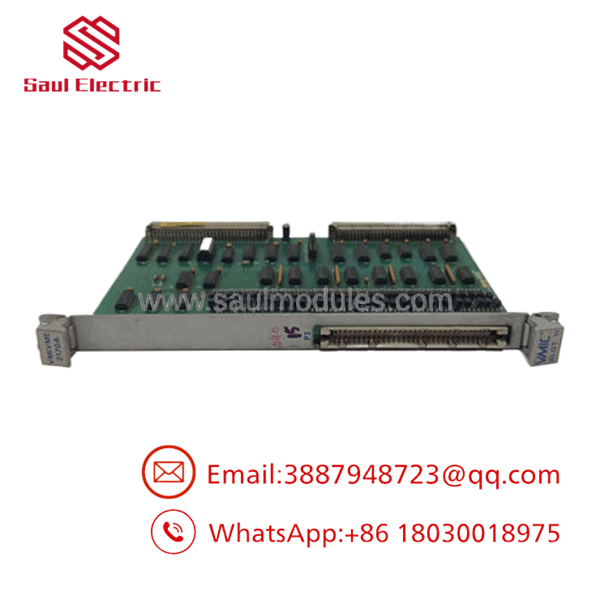
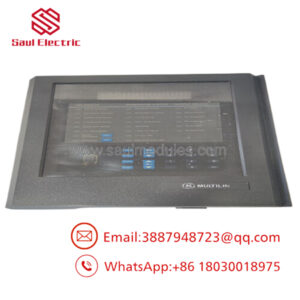
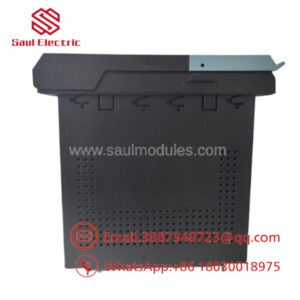
- VMIVME2170A
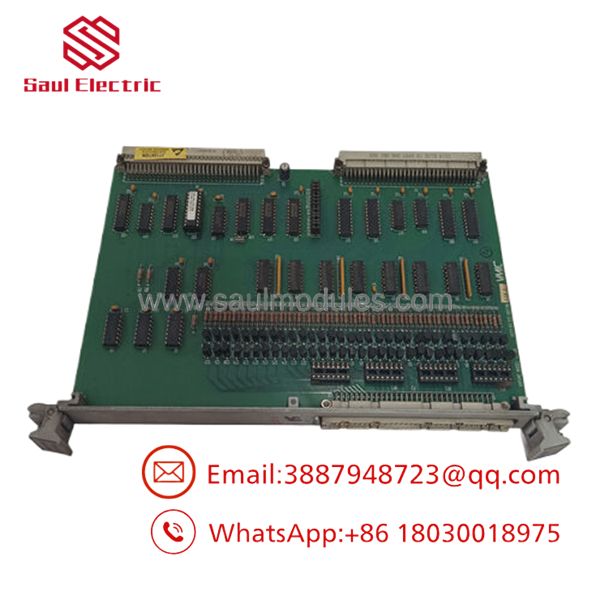
- VMIVME2170A
Frequently Asked Questions (FAQ)
Q1. What is the primary function of the ?
It provides 32 optically isolated digital outputs for controlling external industrial devices from a VMEbus-based controller.
Q2. Why is optical isolation important?
Optical isolation protects the VME control system from ground loops, voltage transients, and electrical noise generated by field devices, improving system reliability in industrial environments.
Q3. Can the outputs be configured as source or sink?
Yes. The supports source or sink output operation, with field-configurable pull-up resistors and selectable positive or negative logic.
Q4. What types of devices can it control?
Typical loads include:
- Relays
- Solenoid valves
- Contactors
- Indicator lamps
- Alarm circuits
- Industrial actuators
- PLC interface circuits
Q5. Is the still manufactured?
The is generally considered a legacy VMIC/GE Fanuc product. Most units available today are New Surplus or professionally tested surplus inventory used to maintain existing VME systems.
Q6. Which industries commonly use this module?
It is widely used in:
- Power generation
- Industrial automation
- Process control
- Test and measurement
- Transportation
- Aerospace and defense
- Embedded VME control platforms
Q7. What should I verify before installation?
Engineers should verify:
- Complete model number ()
- VME chassis compatibility
- Board address (DIP switch) configuration
- External pull-up voltage
- Source/sink output configuration
- Output load current requirements
- Field wiring integrity
- Grounding and shielding
- ESD protection during installation
Completing these checks before commissioning minimizes startup issues and helps ensure reliable operation of the VME digital output system.

 Start Chat


