





Description
Product Introduction & Engineering Value
Hook option A (Direct & Technical): The BV7046-4 is a digital I/O card built for the unforgiving end of the automation world — HIMA safety systems, where the rack it lives in is probably running an ESD, burner management, or over-speed protection scheme.
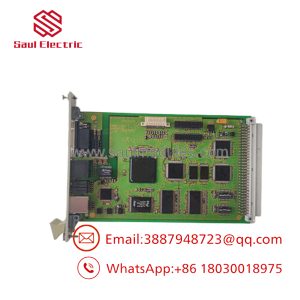
That’s the context that matters. This isn’t general-purpose I/O; it’s card-level hardware designed to live in a safety-rated chassis with the diagnostics and determinism that SIL-rated loops demand. It runs on 24 VDC, draws about 4 W, and handles its channel duties with the conservative, over-engineered construction HIMA is known for. When one of these cards fails in a running plant, the debate isn’t “should we replace it” — it’s “how fast.” That’s the inventory gap we exist to close.
Technical Specifications
| Parameter | Value |
|---|---|
| Product type | Digital input/output module |
| Supply voltage | 24 VDC |
| Power consumption | Approx. 4 W |
| Channel architecture | Grouped digital I/O channels (channel-level detail per build revision) |
| Host system | HIMA safety controller racks (BV7000-series card line) |
| Mounting | Rack slot insertion, card format |
| Diagnostics | Supported within HIMA system self-monitoring architecture |
| Environment | Industrial control-room grade (temperature range per OEM datasheet) |
| Construction | HIMA safety-grade, conservative component derating |
| Certifications | Within HIMA’s SIL-rated system certifications (TÜV-context approvals) |
| Firmware/hardware revision | Confirmed against your rack’s compatibility list at order |
Field Application & The “Trench” Experience
The Trench Story: A refinery instrument engineer once described a BV-card failure to me as “the loudest quiet alarm you’ll ever hear” — the safety rack flagged a card fault, the cause-and-effect matrix went into its degraded state, and suddenly half the ESD voting logic was running on borrowed time while operations argued about whether the unit could stay up. They had no spare. The card was on the market with a quoted lead time of months through the OEM channel. We shipped a bench-verified replacement in two days, but the real story was what happened before the swap: the instrument tech spent an hour with the cabinet print verifying which card revision the rack would accept, because HIMA racks are picky about hardware revisions in a way general PLCs aren’t. The swap itself took fifteen minutes. The MOC paperwork took longer than the engineering. That’s the safety-system world in a nutshell — the part is easy; the discipline around it is the job.
Niche application scenarios:
- Emergency Shutdown (ESD) signal processing — final-element command paths and field sensor voting inputs on process units.
- Burner Management System (BMS) flame-safety I/O — flame scanner inputs and fuel-valve command channels on fired heaters.
- Compressor anti-surge and trip logic racks — fast-response digital I/O within reciprocating and centrifugal compressor protection schemes.
- Boiler over-pressure protection racks — safety-relief interlock I/O in coal and gas fired power plant protection systems.
Transparency SOP: QA & Testing
Every BV7046-4 — New Surplus or Refurbished — clears this bench sequence before listing:
- Visual and connector inspection: card edge fingers, front connector, housing integrity
- Current draw verification at 24 VDC — within the ~4 W envelope, no abnormal inrush
- Channel-level continuity and functional test on each I/O group
- Bench-rack insertion test in a reference HIMA chassis — card recognized, no bus errors
- Diagnostic self-check pass confirmed from the system side
- Serial number and hardware revision verified and documented on the QA record that ships with the unit
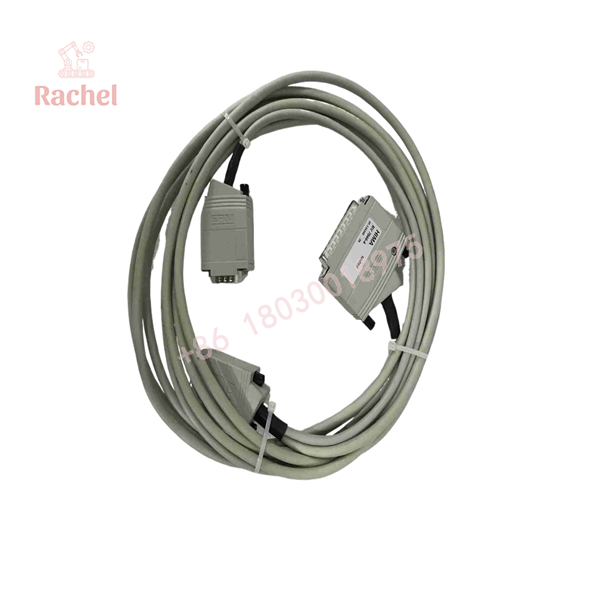
BV7046-4
The Veteran’s Tech Trap Guide
⚠️ Hardware revision is not cosmetic on HIMA racks. These cards carry revision-level compatibility constraints with their host chassis and system software. A card that’s “electrically the same” but the wrong revision can be rejected by the rack or — worse — accepted with degraded diagnostics. Match the revision against your rack’s approved list before ordering, not after installing.
PRO TIP: Card edge fingers are the number one used-card failure mode. Years of rack insertion cycles wear and oxidize the contacts. Inspect and clean before install — and never insert a card into an energized HIMA rack unless the procedure explicitly allows it. Safety racks have opinions about hot insertion, and they express them through expensive faults.
⚠️ Don’t skip the MOC. This is a safety-system component. Even a perfect like-for-like swap on a running ESD deserves management-of-change documentation and a function test after replacement. The engineers who treat that as bureaucracy are the ones explaining themselves to the regulator later.
PRO TIP: Test the loops, not just the card. After replacement, exercise the actual cause-and-effect paths the card participates in — simulate a trip input, confirm the final element answers. A card that passes bench QA but sits on a corroded terminal strip behind it will fail your next demand, and nobody wants to find that out for real.
Dynamic FAQ
Q1: Will the BV7046-4 work in my rack — and how do I confirm compatibility before ordering?
Send us your rack model and the part/revision number of the card being replaced. HIMA systems are revision-sensitive, so we verify the exact hardware build against your system’s compatibility list before the unit ships — not after it arrives.
Q2: Is this card suitable for SIL-rated loops as a spare?
The card is a component within HIMA’s SIL-certified system architecture — certification lives at the system level, not the individual spare. For a like-for-like replacement in an existing certified system, normal MOC and post-install function testing apply. We can supply OEM documentation support for your safety case file.
Q3: Can the module be hot-swapped?
Only if your specific HIMA chassis and system design explicitly permit it. Many safety racks require a controlled shutdown or documented bypass procedure for card replacement. Follow your plant’s safety procedure — it overrides anything on a product page, including this one.
Q4: What does “New Surplus” mean for this card?
Genuine HIMA manufacturing that never entered service — excess OEM, integrator, or plant-stocking-agent inventory. Each unit is power-tested, channel-checked, and bench-rack verified before listing, with the QA record packed in the shipment to prove it wasn’t just shelf-surfed.
Q5: What warranty do you offer on New Surplus versus Refurbished?
Both carry our full functional warranty covering channel integrity, power consumption, and rack communication, including DOA replacement. Warranty term for this SKU is confirmed at quote time.
Q6: Do you stock other HIMA cards and the matching chassis hardware?
We regularly stock HIMA I/O modules, CPUs, power supplies, and communication cards across the common families. Sourcing the card and its rack mates from one vendor means we can verify the whole set on the bench before it travels — ask the sales desk for current availability.

 Start Chat


