





Description
Product Introduction & Engineering Value
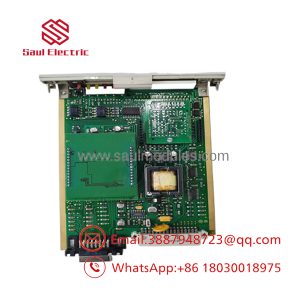
The 05704-A-0144 packs four catalytic gas-detection channels into a single System 5704 control card. Each channel can drive and monitor a catalytic bridge detector, display the measured gas level, and process configured alarm and fault conditions. The card uses a backlit LCD, channel LEDs, and a front-panel reset/select switch for local operation.
This is an important distinction when sourcing a replacement. 05704-A-0144 is the catalytic-input variant; the visually similar 05704-A-0145 is designed for 4–20 mA inputs. Honeywell’s documentation lists the two as separate control-card variants within the 5704 system.
Technical Specifications
- Manufacturer: Honeywell Analytics
- Product Family: System 57
- Control System: 5704
- Part Number: 05704-A-0144
- Card Type: Four Channel Control Card
- Input Type: Catalytic bridge
- Number of Channels: 4
- Sensor Drive: Constant current
- Adjustable Drive Current: 90–315 mA
- Maximum Drive Voltage: 10 V
- Full-Scale Signal Range: 15–300 mV
- Maximum Line Resistance: 40 Ω at 200 mA, including sensor
- Supply Voltage: 18–32 VDC
- Catalytic Configuration Power: Approximately 12.8 W at maximum specified sensor current
- Operating Temperature: −5°C to +55°C
- Storage Temperature: −25°C to +55°C
- Operating Humidity: 20–90% RH, non-condensing
- Card Width: 25 mm / approximately 1 inch
- Card Height: 3U
- Configuration Memory: EEPROM
- Backplane Connection: 32-way connector
- Relay Interface: 26-way D-type connection to the relay interface assembly
Published specifications identify electronic adjustment of bridge balance and signal gain, together with open-circuit, short-circuit, and single-bead-failure detection.
Front-panel functions
The control card provides a backlit LCD with bar-graph and digital/alphanumeric information. Dedicated LEDs indicate channel alarm and fault states, while the front push button is used for alarm reset and card selection.
Optional analog output modules can also be fitted to the channel sockets. Honeywell documentation describes these modules as providing current-loop outputs that follow the corresponding sensor signal.
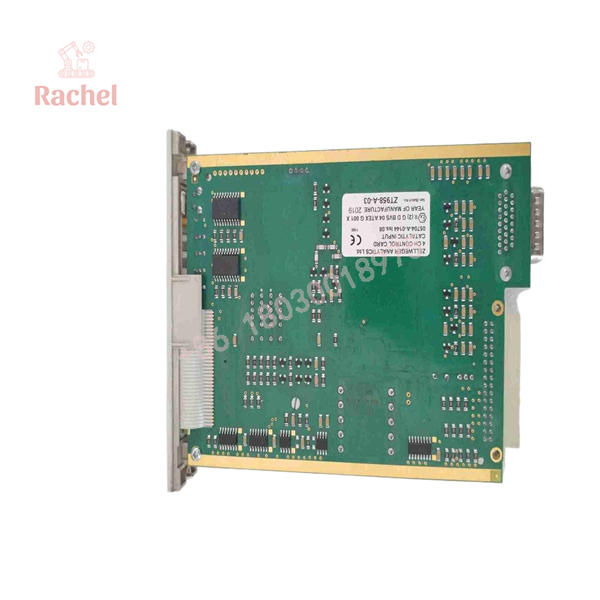
05704-A-0144
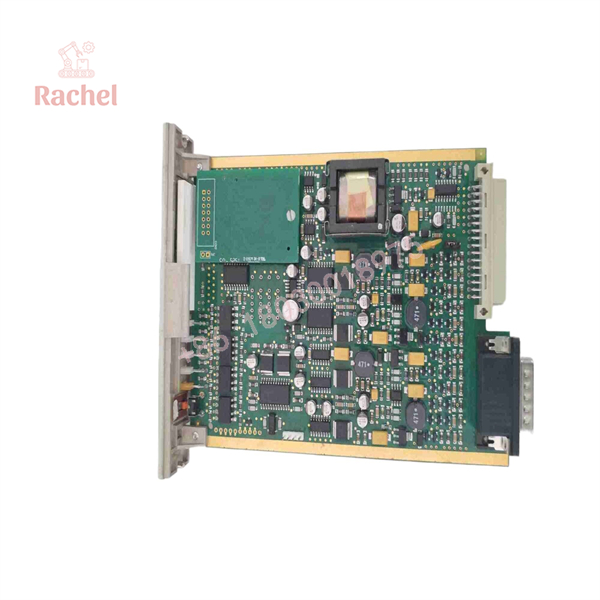
05704-A-0144
Field Application & the “Trench” Experience
Consider a legacy System 57 cabinet monitoring several combustible-gas points around a process unit. One channel begins reporting unstable gas readings while the other three channels continue operating normally. The detector wiring checks out, but the channel’s bridge excitation and response do not behave correctly during calibration.
The 05704-A-0144 is the type of card that needs to be investigated in this situation. Because it contains four independent catalytic-input channels, a fault on one channel does not automatically mean the other three channels have failed. A technician should isolate the affected channel, verify detector resistance and wiring, and then compare the card’s drive and measurement behavior against the System 57 specifications before replacing the complete control card.
Specific application scenarios
- Catalytic combustible-gas detection — monitoring catalytic-bead detectors for flammable gases.
- Multi-point process-area monitoring — four detector channels consolidated into one 5704 card.
- Legacy refinery gas-monitoring cabinets — maintaining installed System 57 infrastructure without changing the rack architecture.
- Compressor and process equipment areas — continuous combustible-gas monitoring with local alarm indication.
Honeywell’s marine certification documentation also identifies 05704-A-0144/0145 as the 5704 Gas Control Card for catalytic or 4/20 mA input, confirming the card’s place within the certified System 57 architecture.
Transparency SOP: QA & Testing
For New Surplus 05704-A-0144, testing should go beyond a simple power-on check.
- Part-number verification — confirm the board label identifies 05704-A-0144 and the card is specifically marked for catalytic input.
- PCB inspection — inspect connectors, solder joints, LCD assembly, LEDs, adjustment circuitry, and signs of corrosion or previous repair.
- Power test — verify operation across the applicable 18–32 VDC supply range using an appropriate controlled test setup.
- Catalytic-input simulation — use a suitable bridge simulator to verify constant-current excitation and signal measurement.
- Channel verification — test all four channels rather than validating only Channel 1.
- Alarm test — verify representative alarm and fault indications through the applicable System 57 test arrangement.
- Configuration check — confirm EEPROM configuration before the card is returned to a live gas-detection system.
The part is described by current aftermarket suppliers as discontinued or obsolete, while Honeywell documentation continues to identify 05704-A-0144 as the original 5704 catalytic control card.
For New Surplus inventory, distinguish unused original stock from refurbished material. A clean PCB is not, by itself, proof that the card has never been installed.
The Veteran’s Tech Trap Guide
⚠️ Trap #1 — Ordering 05704-A-0145 by mistake.
The two numbers are extremely close, but the input architecture is different:
- 05704-A-0144: Catalytic bridge input
- 05704-A-0145: 4–20 mA input
Honeywell explicitly lists them as separate 5704 control-card variants.
⚠️ Trap #2 — Ignoring the detector drive current.
The catalytic card does not simply receive a passive signal. It provides constant-current excitation, with published adjustment from 90 to 315 mA. Detector compatibility and line resistance therefore matter when commissioning a replacement.
PRO TIP: Before removing the original card, record the existing sensor type, configured drive current, alarm thresholds, and channel assignments. The replacement card’s hardware identity alone does not guarantee that the application configuration has been reproduced.
⚠️ Trap #3 — Testing only one channel.
This is a four-channel card. A successful Channel 1 test does not establish that Channels 2–4 are healthy. Check each channel’s detector interface and alarm response independently.
⚠️ Trap #4 — Assuming the LCD proves the card is operational.
The display can illuminate while an individual catalytic-input circuit has a problem. Proper replacement testing should exercise the actual detector-input path, not just the front-panel electronics.
Dynamic FAQ
What is Honeywell 05704-A-0144?
It is the System 57 5704 Four Channel Control Card for catalytic gas detectors. It provides four independent channels for catalytic bridge inputs and performs signal processing, display, alarm evaluation, and fault monitoring.
What is the difference between 05704-A-0144 and 05704-A-0145?
05704-A-0144 is for catalytic inputs, while 05704-A-0145 is for 4–20 mA inputs. They should not be treated as interchangeable simply because they occupy the same System 57 control-card position.
How many detectors can one 05704-A-0144 support?
The card provides four independent detection channels. Each channel has its own sensor interface and alarm/status indication.
What catalytic sensor current does it support?
The published specification gives an electronically adjustable constant-current drive of 90 to 315 mA, with a maximum drive voltage of 10 V.
Is 05704-A-0144 obsolete?
Current aftermarket listings identify the part as discontinued, while Honeywell’s System 57 documentation still identifies it as the original 5704 Four Channel Control Card – Catalytic. Availability therefore depends on remaining original, surplus, refurbished, or service inventory.
Can I purchase a New Surplus 05704-A-0144 with warranty?
Yes, depending on the supplier. The quotation should specify New Surplus, New Old Stock, or Refurbished condition and state the warranty separately. For this card, it is particularly useful to request evidence that all four catalytic-input channels have been tested rather than accepting a basic power-on inspection.

 Start Chat


