





Description
Product Introduction
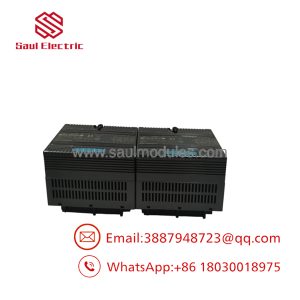
The IC697BEM721 is an I/O Link Interface module for the GE Fanuc Series 90-70 PLC. It provides high-speed serial communication between a master PLC and up to 16 slave devices over RS-422/RS-485. This module occupies one slot and handles I/O data exchange for distributed control.
In legacy 90-70 systems, it remains a go-to for connecting Genius or other remote I/O blocks. The dual ports allow flexible master/slave configurations without extra hardware, though you pay for it in scan time compared to newer Ethernet-based solutions.
Key Technical Specifications
| Parameter | Value |
|---|---|
| Ports | 2x 20-pin D-type (RS-422/RS-485) |
| Max Slaves | 16 |
| I/O Capacity | 1024 discrete points |
| Baud Rate | Up to 115.2 kbps |
| Rack Slots | 1 slot |
| Status LEDs | Three (module status) |
| Protocol | Fanuc I/O Link |
| Operating Temperature | 0°C to 60°C |
Application Scenarios & The “Trench” Experience
Old steel mill, 3 AM. I/O Link went down and half the conveyors stopped. The BEM721 had finally given up after decades. No one had a spare. We flew one in, swapped it during the next maintenance window, and got the line moving again before morning shift. That smell of hot metal and the relief in the control room sticks with you.
- Steel Processing – Remote I/O distribution – Links master rack to distant Genius blocks across the mill floor.
- Material Handling – Conveyor networks – High-speed data exchange keeps synchronization tight over long distances.
- Legacy Machine Retrofit – Expanding older 90-70 systems – Adds I/O points without full rack replacement.
- Marine Applications – Shipboard control – Reliable serial link in noisy electrical environments.
A power company used these modules during a controls migration. The IC697BEM721 kept their legacy I/O alive while they phased in newer RX3i racks. No production loss during the cutover.
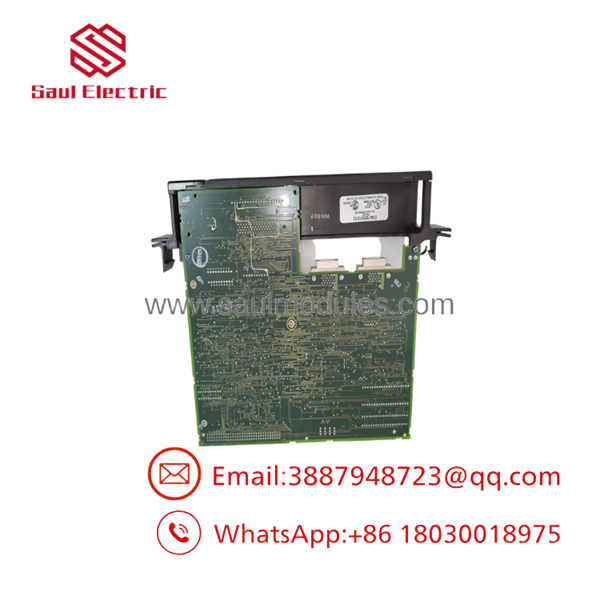
- IC697BEM721
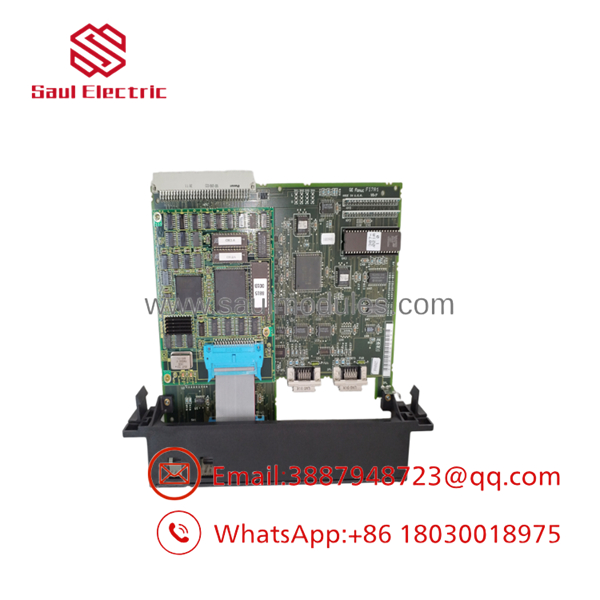
- IC697BEM721
Transparency SOP: Quality Assurance & Testing
We don’t just ship boxes; we test them on actual Series 90-70 racks.
- Inbound Inspection – Check connectors, board revision, and physical wear.
- Live Rig Testing – Simulate master/slave I/O Link traffic with real slave devices.
- Electrical Parameter Checks – Verify serial port signaling and isolation.
- Firmware/LED Verification – Confirm status indicators and communication handshakes.
- Final QC & Anti-static Packaging – Full functional test, ESD-safe shipping.
Tested in legacy hardware environments.
The Veteran’s Tech Trap Guide
⚠️ Cable length and shielding are critical. Long runs without proper grounding cause noise and dropped packets. Use recommended I/O Link cable.
❗ Port configuration mistakes happen. One port for upstream, one for downstream. Mix them up and the link won’t establish. Label everything.
⚠️ Baud rate must match across the network. Mismatch causes total comm loss. Document your settings before touching anything.
One thing to watch out for is slave addressing. Duplicate addresses on the link will cause intermittent faults that drive you crazy during troubleshooting.
Frequently Asked Questions
Is the IC697BEM721 hot-swappable? No. Power down the rack for replacement to avoid bus faults.
Can it act as both master and slave? It functions primarily as a master interface but supports flexible link configurations.
How many I/O points does one module support? Up to 1024 discrete points across the connected slaves.
Why is this discontinued module still available? From surplus and decommissioned systems. Every unit is tested for reliable I/O Link operation.
Will it work with newer RX3i systems? Limited compatibility. Best used in native Series 90-70 racks.
What cable do I need? Specific I/O Link cables with proper shielding. Check the manual for pinouts and lengths.
Is there a modern replacement? Ethernet or PROFINET modules offer better performance, but this remains the direct fit for legacy I/O Link networks.

 Start Chat


