





Description
Product Introduction & Engineering Value
Kawasaki 50999-2009R00 is a legacy Kawasaki electronic control-board part number. The R00 suffix should be retained when identifying the replacement because Kawasaki uses revision-specific part numbers across its controller hardware.
For procurement purposes, I would not assign this board a specific function such as CPU, servo amplifier, I/O, or power board without confirming the original equipment documentation. With obscure Kawasaki PCB numbers, the parent controller model and physical board markings are essential for a reliable identification.
Technical Specifications
| Parameter | Specification |
|---|---|
| Manufacturer | Kawasaki |
| Part Number | 50999-2009R00 |
| Board Revision | R00 |
| Product Type | Electronic control PCB / assembly |
| Application | Kawasaki robot control equipment |
| System Function | Configuration-dependent |
| Processor | Not verified |
| Memory | Not verified |
| Input Voltage | Not verified |
| Communication Interface | Not verified |
| Connector Configuration | Verify from actual board |
| Firmware | System-dependent |
| Replacement Requirement | Exact part-number match recommended |
Identification caution
I could not verify a sufficiently authoritative public Kawasaki source that establishes the exact functional classification and electrical specifications of 50999-2009R00.
Accordingly, specifications such as voltage, current, processor type, I/O count, communication protocol, and connector pinout should not be published as confirmed facts unless they are taken from the original Kawasaki documentation or the actual unit’s nameplate/PCB markings.
Field Application & the “Trench” Experience
A maintenance team finds 50999-2009R00 on a Kawasaki robot-control PCB after a controller fault. The cabinet is several years into its service life, and the OEM documentation is incomplete.
The tempting approach is to buy another Kawasaki PCB that looks similar.
Don’t.
First record the complete part number, revision, board labels, connector positions, jumper or switch settings, and the controller model. Then trace the board to the machine’s electrical drawing or controller BOM. This is especially important when several Kawasaki boards have similar physical layouts.
Niche application scenarios
- Legacy Kawasaki robot controller: replacement of an unidentified control PCB after electronic failure.
- Automated welding cell: restoration of Kawasaki robot control without replacing the entire cabinet.
- Material-handling robot: maintaining an older Kawasaki control architecture with a board-level spare.
- Robot controller refurbishment: replacing obsolete electronic assemblies during scheduled overhaul.
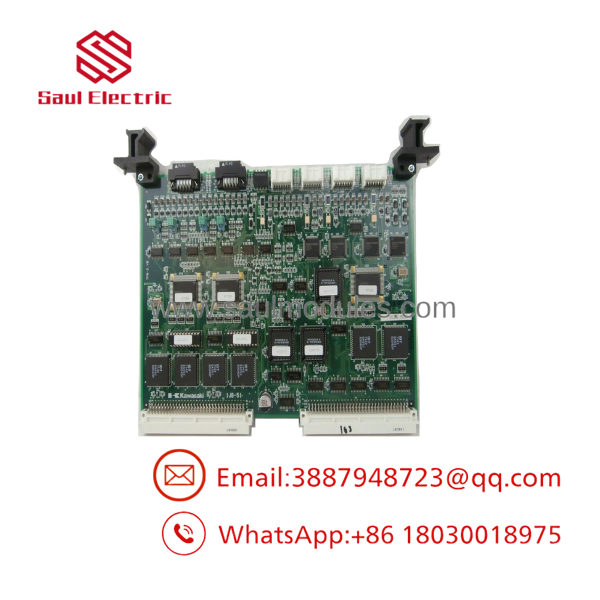
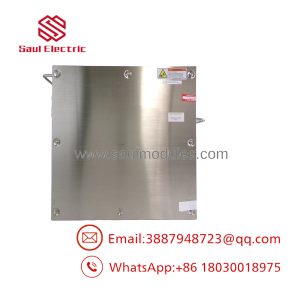
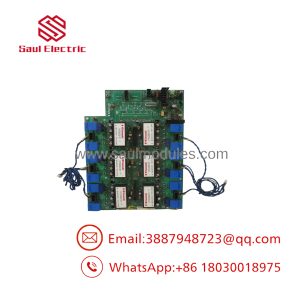
50999-2009R00
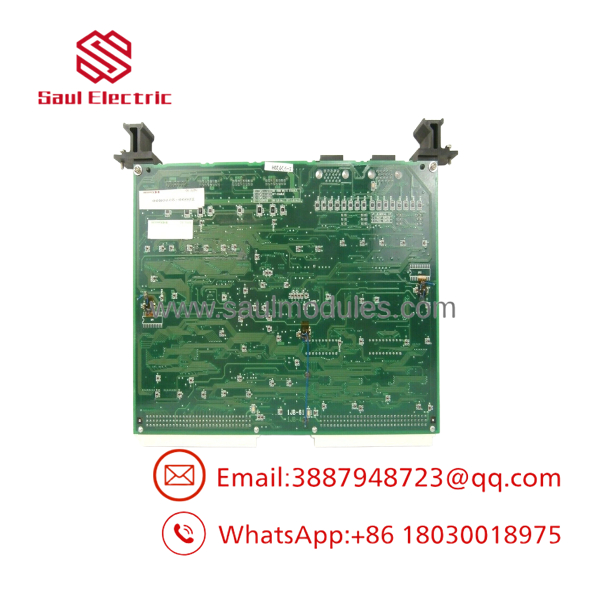
50999-2009R00
Transparency SOP: QA & Testing
For New Surplus or Refurbished 50999-2009R00, I recommend:
- Part-number inspection — Verify
50999-2009R00, including the R00 suffix. - PCB inspection — Examine traces, solder joints, connectors, capacitors, and visible component damage.
- Configuration comparison — Compare jumpers, DIP switches, memory devices, and connector layout with the original.
- Controlled power-up — Apply power only after the board’s electrical requirements are confirmed.
- Controller diagnostic test — Verify normal initialization in the correct Kawasaki controller.
- Interface test — Check communication with the applicable robot/controller hardware.
- Functional test — Where possible, operate the board in a compatible Kawasaki system.
- Documentation — Record test results and warranty terms against the actual serial/board number.
A visual inspection is not a functional test.
The Veteran’s Tech Trap Guide
⚠️ Trap #1 — Treating R00 as optional
Don’t shorten the order number to 50999-2009. Use the complete 50999-2009R00 designation.
PRO TIP: Photograph the original PCB before removal. Capture both the part number and every secondary marking.
⚠️ Trap #2 — Guessing the board’s function
Do not describe this part as a CPU, servo board, I/O board, or power supply until the controller documentation confirms it.
⚠️ Trap #3 — Buying from a stock photograph
For legacy PCBs, component revisions can matter. Ask for photographs of the actual unit, front and back, including all labels.
⚠️ Trap #4 — Installing before recording configuration
If the board contains configurable hardware, document switches, jumpers, memory modules, and connector positions before removing the original.
Dynamic FAQ
What is Kawasaki 50999-2009R00?
It is a Kawasaki legacy electronic control-board part number used in Kawasaki robotic equipment. The exact board function should be confirmed against the associated controller documentation.
What does R00 mean?
R00 is the revision/designation included in the complete part number. It should be retained for purchasing and compatibility checks.
Is 50999-2009R00 a CPU board?
That cannot be reliably established from the part number alone. I would require Kawasaki documentation or clear photographs of the PCB and its identifying labels before classifying it as a CPU board.
What voltage does it use?
The electrical supply specification is not sufficiently verified from available public information. Do not apply power based on an assumed voltage.
Can another Kawasaki 50999-series board replace it?
No—not without an engineering compatibility check. Compare the complete part number, revision, controller model, connectors, electrical specifications, and firmware/configuration requirements.
How should New Surplus stock be verified?
Request actual-unit photographs, complete part-number markings, revision information, condition classification, functional test results, and warranty terms.
What is the difference between New Surplus and Refurbished?
New Surplus generally refers to previously manufactured OEM inventory that was not installed in normal service. Refurbished normally means previously used equipment that has undergone inspection and some level of repair or testing. Supplier definitions vary, so request the exact condition statement in writing.
What information is needed for positive identification?
The most useful information is a clear photograph of Kawasaki 50999-2009R00, the entire PCB, and the Kawasaki controller or robot model in which it is installed. That information can substantially narrow the exact application and replacement compatibility.

 Start Chat


