





Description
Product Introduction & Engineering Value
Kawasaki 1HZ-50 should be treated as a configuration-specific industrial automation part rather than assumed to be a generic PLC or robot controller. The model designation alone does not establish its electrical interface, I/O architecture, or communication capabilities.
For a replacement purchase, verify the complete nameplate, parent machine/controller model, hardware revision, connector arrangement, and applicable Kawasaki documentation. This is especially important for older Kawasaki equipment where similar-looking assemblies can have different functions.
Technical Specifications
| Parameter | Specification |
|---|---|
| Manufacturer | Kawasaki |
| Model | 1HZ-50 |
| Hardware Category | Industrial automation component |
| Application | Kawasaki industrial equipment |
| System Function | Configuration-dependent |
| Input Voltage | Verify from unit documentation |
| I/O Configuration | Verify before replacement |
| Communication Interface | Verify for exact hardware |
| Connector Type | Verify from physical unit |
| Mounting | Equipment-dependent |
| Revision | Verify from nameplate |
| Firmware Dependency | Configuration-dependent |
| Replacement Requirement | Exact model and system compatibility |
Identification caution
I would not assign a specific voltage, I/O count, protocol, processor type, or Kawasaki controller family to 1HZ-50 without a source that specifically identifies this part number.
That restraint is important with legacy Kawasaki hardware. A guessed specification can result in an incorrect replacement or an unsafe bench test.
Field Application & the “Trench” Experience
Imagine a legacy Kawasaki automation system that has been running for years. A control component fails, production stops, and purchasing finds a listing for a visually similar Kawasaki unit.
The part number looks close.
That is not enough.
The maintenance team should compare the original 1HZ-50 nameplate with the replacement, then confirm the parent Kawasaki machine, connector arrangement, electrical ratings, and system documentation. If the component is part of a larger controller assembly, the assembly-level identification should also be recorded.
Niche application scenarios
- Legacy machine-control cabinet: replacement of a Kawasaki control-system component during planned maintenance.
- Automated material-handling equipment: control hardware supporting machine sequencing and interlocks.
- Industrial production equipment: restoration of a discontinued Kawasaki automation assembly without redesigning the entire control system.
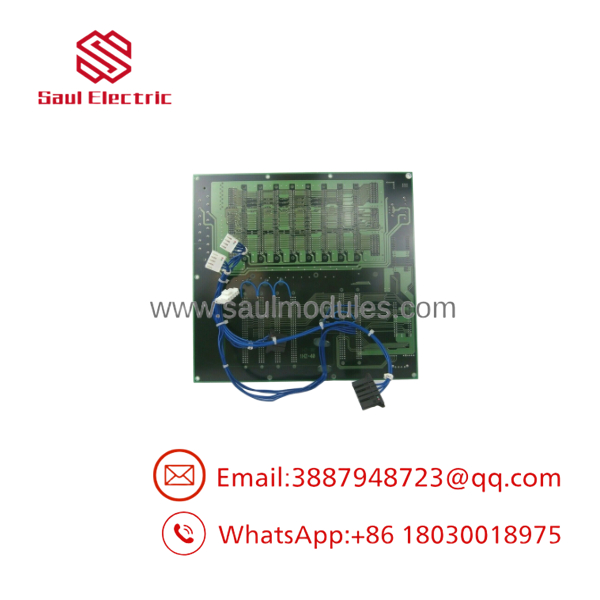
1HZ-50
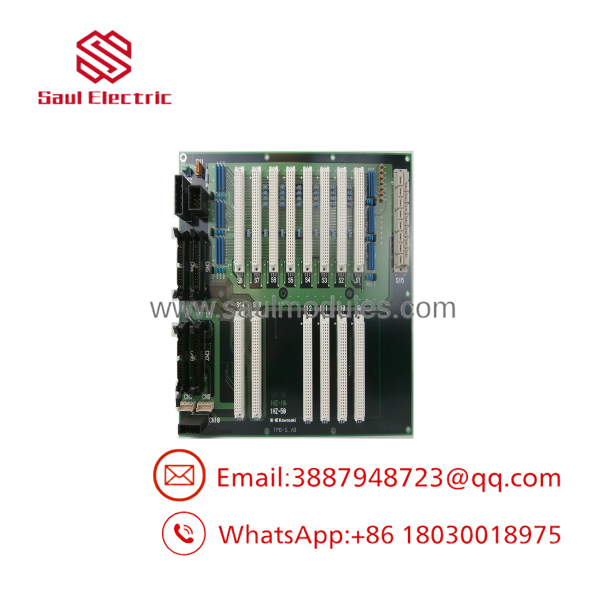
1HZ-50
Transparency SOP: QA & Testing
For New Surplus or Refurbished Kawasaki 1HZ-50 inventory:
- Identity check — Verify the exact 1HZ-50 marking.
- Nameplate documentation — Record model, serial number, revision, and additional Kawasaki identifiers.
- Visual inspection — Check housing, PCB, terminals, connectors, and mounting points.
- Electrical verification — Use only the documented electrical ratings for the exact unit.
- Functional test — Test in a compatible Kawasaki system or approved test fixture whenever possible.
- Interface verification — Check the applicable I/O, communication, or control function.
- Diagnostic inspection — Confirm there are no active hardware faults.
- Final QA record — Document the test environment, results, condition, and warranty.
A generic “power-on test” is not enough to establish that an unidentified Kawasaki legacy component is serviceable.
The Veteran’s Tech Trap Guide
⚠️ Trap #1 — Assuming “1HZ-50” identifies the complete assembly
Older Kawasaki equipment can use additional assembly, revision, or serial identifiers. Record every marking on the original unit before ordering.
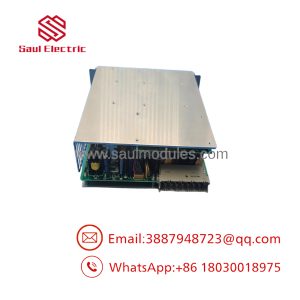
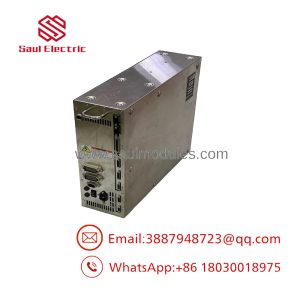
PRO TIP: Ask the supplier for photographs of the actual unit, including the complete nameplate—not just a stock product photograph.
⚠️ Trap #2 — Guessing the electrical input
Do not apply power to a surplus 1HZ-50 based on assumptions about Kawasaki equipment. Confirm the correct voltage and polarity first.
⚠️ Trap #3 — Treating a visually identical unit as interchangeable
Connector position and housing dimensions are not sufficient evidence of compatibility. Internal circuitry, firmware, and machine configuration can differ.
⚠️ Trap #4 — Replacing the component without checking the surrounding system
If the original unit failed because of an upstream power, wiring, I/O, or communication problem, a replacement can suffer the same failure.
Dynamic FAQ
What is Kawasaki 1HZ-50?
Kawasaki 1HZ-50 is a legacy Kawasaki industrial automation part number. Its precise function should be established from the original hardware markings and the parent Kawasaki equipment documentation.
Is 1HZ-50 a PLC?
The model number alone does not provide sufficient evidence to classify it specifically as a PLC, CPU, I/O module, or communication module. Positive identification should come from Kawasaki documentation or the original unit’s nameplate.
What are the electrical specifications?
The exact input voltage, current requirements, I/O configuration, and communication characteristics should be verified from documentation for the specific 1HZ-50 assembly.
Can another Kawasaki controller replace 1HZ-50?
Not without an engineering equivalency assessment. Verify the complete part number, electrical interface, connectors, firmware/configuration requirements, and parent-machine compatibility.
How should New Surplus 1HZ-50 be checked?
Request actual-unit photographs, complete identification markings, condition information, applicable functional test results, and written warranty terms. Testing in the correct Kawasaki equipment or an approved fixture is preferable.
What information should I provide when sourcing a replacement?
The most useful information is the complete 1HZ-50 nameplate, any additional Kawasaki part/assembly number, serial or revision information, and the model of the parent Kawasaki machine or controller.
Does New Surplus 1HZ-50 come with a warranty?
Warranty coverage depends on the supplier and stock condition. For a critical legacy automation spare, obtain the warranty period and return conditions in writing before purchase.

 Start Chat


