





Description
Product Introduction & Engineering Value
The KEBA CL-ZE appears in industrial automation spare-parts references, but publicly indexed technical information is too limited to safely assign detailed electrical specifications to this exact designation. That matters with legacy KEBA equipment because short model identifiers can represent assemblies whose actual compatibility depends on the controller generation, hardware revision, and associated modules.
For procurement, treat CL-ZE as an identification-sensitive spare. Match the complete label, revision, connector arrangement, and installed KEBA system before substitution. Do not purchase on the two-character suffix alone.
Technical Specifications
The following items should be verified from the physical unit or KEBA documentation before being used as purchasing specifications:
- Manufacturer: KEBA
- Model designation: CL-ZE
- Product category: Industrial automation hardware
- System family: KEBA automation platform
- Hardware revision: Verify from nameplate
- Supply voltage: Not reliably established from available public sources
- Current consumption: Not reliably established
- I/O configuration: Not reliably established
- Communication interfaces: Not reliably established
- Mounting arrangement: Verify from installed hardware
- Operating temperature: Verify against the applicable KEBA documentation
- Firmware compatibility: Must be checked against the installed controller/system revision
A secondary industrial inventory index confirms that CL-ZE is associated with KEBA, but the listing provides no engineering specifications that would justify filling these fields with guessed values.
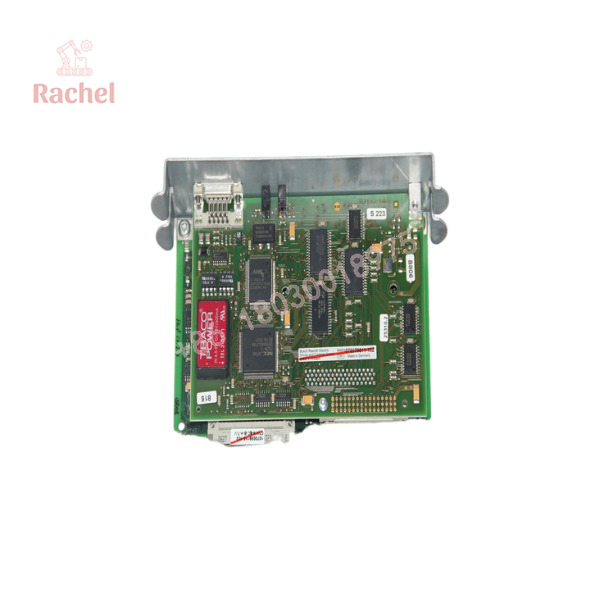
CL-ZE
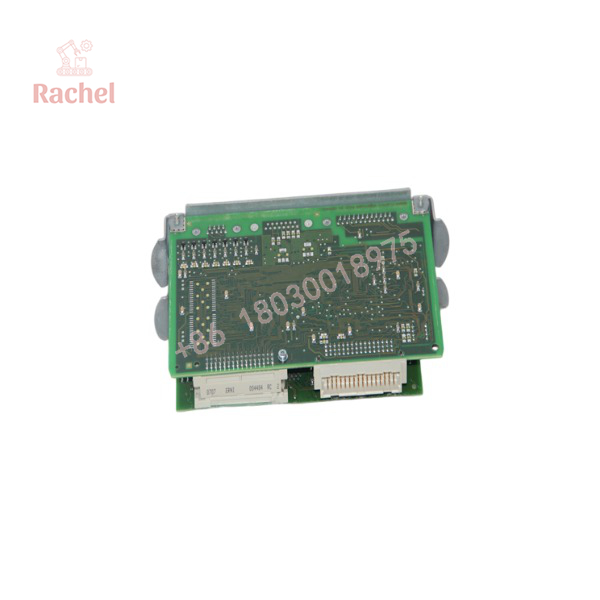
CL-ZE
Field Application & the “Trench” Experience
A legacy machine controller develops an intermittent fault, and the maintenance team finds a KEBA component marked CL-ZE in the cabinet. The temptation is to search by the short code and order the first matching spare.
That is exactly where a procurement error can occur.
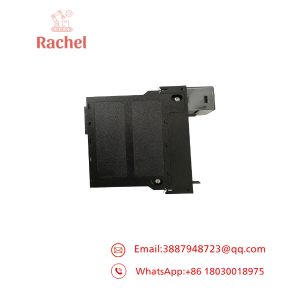
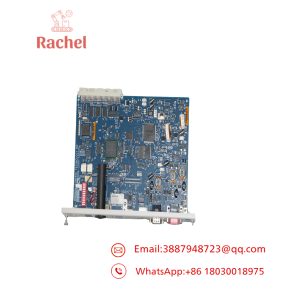
For older KEBA installations, the safer workflow is to photograph the complete component label, record the controller and adjacent module designations, document every connector, and compare the replacement against the installed hardware before removing the failed unit.
Potential application contexts include:
- Legacy KEBA machine-control cabinets
- Industrial machine operator/control systems
- Motion-control equipment using KEBA control hardware
- OEM machinery where the original KEBA controller architecture is still in service
Transparency SOP: QA & Testing
For New Surplus or Refurbished CL-ZE inventory, use a controlled identification-and-test process:
- Nameplate verification — Confirm KEBA branding and the complete CL-ZE designation.
- Revision capture — Record every visible revision, serial, and supplementary part number.
- Physical inspection — Examine connectors, housing, PCB surfaces, terminals, and mounting points.
- Comparison inspection — Compare connector locations and mechanical geometry against the customer’s installed unit.
- Electrical verification — Test only according to the confirmed KEBA specification for the exact hardware revision.
- System test — Where possible, test in the correct KEBA controller environment rather than relying solely on a bench power-up.
- Documentation — Record the actual test procedure and distinguish power-on testing from functional system testing.
Do not advertise a CL-ZE unit as fully function-tested unless it has actually been tested in a compatible KEBA system.
The Veteran’s Tech Trap Guide
⚠️ Do not invent compatibility from the CL-ZE designation.
The available public evidence establishes a KEBA association but does not establish the exact controller, I/O, voltage, or communication specification.
PRO TIP: For an RFQ, provide the supplier with photographs of the front and rear labels plus the adjacent KEBA modules. This is considerably safer than sending only “CL-ZE.”
⚠️ Revision matters.
If two units have the same basic CL-ZE marking but different revision or connector configurations, they should not be assumed interchangeable until compatibility has been confirmed.
⚠️ Do not confuse inventory identification with engineering identification.
A reseller database entry can establish that a part exists, but it does not establish its complete electrical specification. For safety-critical or production-critical replacement work, use the manufacturer’s documentation or the original machine OEM documentation as the compatibility authority.
Dynamic FAQ
Q1. What is KEBA CL-ZE?
CL-ZE is a KEBA industrial automation hardware designation found in secondary industrial spare-parts references. Publicly available information is insufficient to establish the exact function of the component with confidence.
Q2. What voltage does CL-ZE use?
I would not publish a voltage rating without the exact KEBA documentation or nameplate. The available public listing does not establish one.
Q3. Which KEBA controller is compatible with CL-ZE?
The exact controller relationship could not be reliably verified from the available public documentation. The controller model and hardware revision should therefore be supplied when requesting a replacement.
Q4. Is CL-ZE obsolete?
It appears primarily in legacy industrial spare-parts references rather than current KEBA product documentation. That suggests legacy status, but an official discontinuation statement should be obtained before making a formal lifecycle claim.
Q5. How should New Surplus CL-ZE inventory be authenticated?
Request photographs of the actual unit, including the complete KEBA label, revision, serial number, connectors, and packaging. “New Surplus” should mean unused original inventory, not repaired or previously installed equipment.
Q6. What warranty should I request?
For refurbished CL-ZE hardware, request a written warranty covering the specific functions that were actually tested. If the supplier can only perform a power-on test because the original KEBA system is unavailable, that limitation should be stated explicitly in the quotation.

 Start Chat


