





Description
Product Introduction
The Fireye 85UVF1-1CEX is a microprocessor-based, integrated ultraviolet flame scanner engineered for industrial burner and boiler management systems (BMS). Housed in a heavy-duty explosion-proof (Ex d) aluminum housing, this unit combines optical UV sensing, internal signal processing, flame relays, and 4-20mA analog output into a single self-contained field device.
Unlike legacy remote-mounted scanner heads that require external amplifier modules in the main control panel, the 85UVF1-1CEX processes flame flicker frequency and amplitude directly at the sight-pipe interface. Its advanced internal discrimination algorithms allow field engineers to tune out background radiation from adjacent burners or hot refractory, preventing false flame-on signals during critical firing sequences.
Key Technical Specifications
| Parameter | Value |
| Part Number | 85UVF1-1CEX |
| Manufacturer | Fireye |
| Product Series | Phoenix Series 2 |
| Detection Spectrum | Ultra-Violet (295 nm to 320 nm range) |
| Supply Voltage | 24V DC (+10% / -15%), 200 mA max |
| Hazardous Area Rating | ATEX / IECEx Ex d IIC T6 / Ex tD A21 (CEX Suffix) |
| Outputs | Flame Relay (N.O./N.C.), Fault Relay, 4-20mA Analog Signal |
| Connection Interface | 10-foot (3m) or 24-foot pre-wired captive cable / Conduit entry |
| Sight Pipe Fitting | 1″ NPT or BSP female thread with internal quartz lens |
| Purge Air Connection | 3/8″ NPT female (requires clean, dry instrument air) |
| Operating Temp | -40°C to +70°C (-40°F to +158°F) |
Application Scenarios & The “Trench” Experience
Picture this: It’s 4:00 AM on a freezing winter morning, and the main steam drum pressure plummets because boiler #2 tripped on a false “Flame Failure.” The shift operator inspects the sight glass and sees a roaring gas flame, but the old scanner head’s internal UV tube degraded from heat and lost sensitivity. The plant is losing $6,000 an hour in lost process steam. You don’t have time to run new multi-conductor home-run cables back to the control room—you need a pre-tested 85UVF1-1CEX scanner that threads onto the 1″ sight pipe, wires straight to 24V DC, and latches the flame relay instantly.
- Utility & Industrial Boilers – Multi-burner power generation – Discriminates target burner flame from adjacent burner background glow.
- Refinery Fired Heaters – Hazardous location process furnaces – ATEX Ex d housing prevents flammable gas ignition in zone 1 environments.
- Petrochemical Flare Stacks – Continuous pilot flame monitoring – UV sensor detects light-gas combustion under high wind conditions.
- Gas Turbine Exhaust Systems – Auxiliary duct burners – High-temperature optics withstand thermal radiation from duct walls.
Field Case Study
A Gulf Coast chemical plant experienced continuous nuisance trips on a hydrogen-fired superheater cabinet during peak summer ambient temperatures. Thermal drift inside their legacy flame scanner was causing false flame-out faults. We supplied an 85UVF1-1CEX replacement unit from inventory. The instrument tech mounted the new CEX explosion-proof housing, piped up the 3/8″ cooling/purge air connection, and used the onboard push-button teach routine to lock in the target hydrogen flame profile. The superheater has operated without a single false trip for over three years.
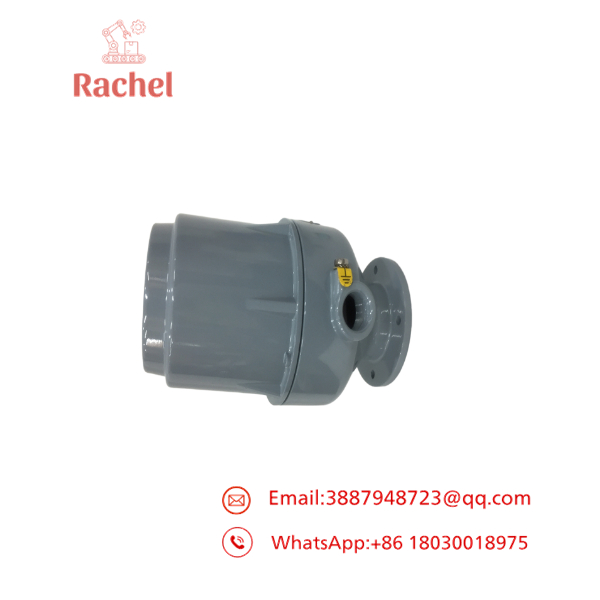
85UVF1-1CEX
Transparency SOP: Quality Assurance & Testing
We don’t just ship boxes; we test them on actual burner test rigs:
- Inbound Visual Inspection: Check aluminum housing threads, quartz lens integrity, flame-proof explosion gap seals, and cable gland strain relief.
- Optics & Lens Cleanliness: Inspect the internal quartz window under magnification for oil film, carbon dust, or micro-scratching.
- Live Power-On Handshake: Apply 24V DC to power inputs; verify internal self-diagnostic routine completes without fault codes.
- UV Target Source Testing: Expose the sensor to a calibrated UV flame source; verify proportional 4-20mA analog output tracking and instantaneous flame relay state change.
- Shutter / Self-Check Validation: Verify the internal mechanical shutter performs its periodic safety self-check cycle to detect sensor short circuits.
- ESD & Protective Packaging: Clean exterior housing, place protective plastic cap over optical sight threads, wrap in anti-static shielding, and pack in heavy foam boxes.
The Veteran’s Tech Trap Guide
- ⚠️ Never Skip the Purge Air: The 85UVF1-1CEX sight pipe must have clean, dry instrument air supplied to the 3/8″ purge port (minimum 4 to 10 CFM). Without positive purge pressure, hot flue gas, soot, and moisture will back up into the sight tube, coating the quartz lens and cooking the internal electronics.
- ❗ Beware of Hot Refractory Background: If the scanner is aimed directly at glowing yellow/white refractory bricks behind the flame, background radiation can blind the UV sensor or cause a false “Flame Present” state after the fuel shutoff valve closes. Always angle the sight pipe slightly across the root of the flame, away from target wall refractory.
- ⚠️ Verify Cable Shielding: The 85UVF1-1CEX transmits sensitive 4-20mA analog flame signals. Ensure the cable drain shield is grounded at the control cabinet end only. Grounding both ends creates a ground loop that induces 60Hz noise onto the flame signal.
- ❗ Keep the Lens Clean: Never use solvent-based cleaners or abrasive shop rags on the quartz lens. Use pure isopropyl alcohol and a lint-free optical swab. A thin film of compressor oil from dirty purge air will drop UV transmission by 80%.
Frequently Asked Questions
Q: Is the Fireye 85UVF1-1CEX interchangeable with the 85IRF1-1CEX?
A: Mechanically and electrically, yes—they share the same housing and wiring layout. However, the 85UVF1 uses an Ultra-Violet sensor (ideal for natural gas and light oil flames), whereas the 85IRF1 uses an Infra-Red sensor (designed for heavy coal or oil flames with high soot density).
Q: Does the 85UVF1-1CEX require an external amplifier board in the PLC cabinet?
A: No. The Phoenix Series 2 is an integrated scanner. All flame signal processing, flame relay switching, and 4-20mA output generation occur directly inside the scanner body.
Q: What does the “CEX” suffix in the part number stand for?
A: The “CEX” designation indicates an explosion-proof housing certified to ATEX / IECEx standards (Ex d IIC T6) for installation in hazardous, classified plant environments.
Q: How do I calibrate or “teach” the scanner to recognize a specific flame?
A: You can use the built-in keypad buttons on the rear cover (under the protective cap) or configure parameters via a connected Fireye user interface software tool to automatically learn the target flame’s frequency and amplitude.
Q: What warranty comes with this flame scanner?
A: All Fireye 85UVF1-1CEX units—whether New Surplus or bench-tested Refurbished—come with a full 12-month operational warranty covering electronic components, relays, and optical sensing performance.

 Start Chat


