





Description
Product Introduction & Engineering Value
The KEBA DO 321 is a high-density digital output module used in legacy KEBA control architectures. Available technical-market documentation identifies it as a 32-channel transistor output module, with outputs intended for 24 VDC field loads. It is particularly relevant when maintaining an existing KEBA rack rather than redesigning the machine’s I/O architecture.
Replacement requires attention to the complete part designation. The market contains references to both DO 321 and DO 321/B, so the installed module’s label should be checked before ordering. DO 321/B is separately identified by service providers as a KEBA digital-output card.
Technical Specifications
| Parameter | Specification |
|---|---|
| Manufacturer | KEBA |
| Model | DO 321 |
| Function | Digital output |
| Number of Outputs | 32 |
| Output Technology | Transistor |
| Output Configuration | PNP / sourcing |
| Nominal Field Voltage | 24 VDC |
| Rated Current per Channel | Approximately 0.5 A |
| Output Organization | 4 groups × 8 outputs |
| Maximum Group Current | Approximately 2 A per 8-channel group |
| Maximum Module Output Current | Approximately 8 A |
| Typical Loads | Solenoid valves, relays, indicator devices and other 24 VDC loads |
The detailed electrical figures above are reported by a current secondary technical listing and should be treated as application-level reference data rather than a substitute for the original KEBA datasheet.
KEBA’s current I/O portfolio uses modular I/O architectures for controller and remote-I/O applications, but the current product family should not be assumed to be electrically or mechanically interchangeable with a legacy DO 321.
Field Application & the “Trench” Experience
A realistic failure occurs on an older automated production machine where several solenoid valves suddenly stop responding. The PLC still executes its program, input signals remain normal, and the operator interface shows no obvious controller fault. The maintenance technician eventually traces the problem to one section of the digital-output rack.
The temptation is to replace the entire controller assembly. That is usually unnecessary. The first step is to isolate the output group, check the external 24 VDC supply and field wiring, then determine whether the DO 321 itself is actually responsible. A replacement module should be checked against the original hardware revision and rack configuration before being installed.
Niche application scenarios
- Automotive paint-shop equipment: Switching pneumatic valves and auxiliary actuators associated with automated paint-handling sequences.
- Injection-molding machine auxiliaries: Driving valve interfaces, contactors, indicators, and machine-side actuators.
- Automated assembly cells: Controlling pneumatic cylinders, clamps, ejectors, stack lights, and interposing relays.
The DO 321 is also found in legacy KEBA assemblies alongside modules such as the CU 211, PD 242, AR 181, TT 081, and DI 325, illustrating its role as part of a larger controller/I/O architecture rather than a standalone PLC.
Transparency SOP: QA & Testing
For New Surplus inventory, the inspection sequence should be straightforward:
- Part-number verification — Confirm the DO 321 marking and compare the complete label with the customer’s existing module.
- PCB inspection — Check for corrosion, cracked components, contamination, damaged terminals, and evidence of previous rework.
- Connector inspection — Examine the backplane interface and field terminals for bent, damaged, or oxidized contacts.
- Output verification — Where suitable test equipment is available, energize representative output channels with an appropriate 24 VDC test load.
- Channel test — Confirm that outputs switch correctly and that abnormal channel behavior is not present.
- Final inspection — Record the tested model, condition, and any applicable warranty information before shipment.
For refurbished units, ask specifically whether the module received an electrical functional test. Visual inspection alone does not establish that all 32 outputs operate correctly.
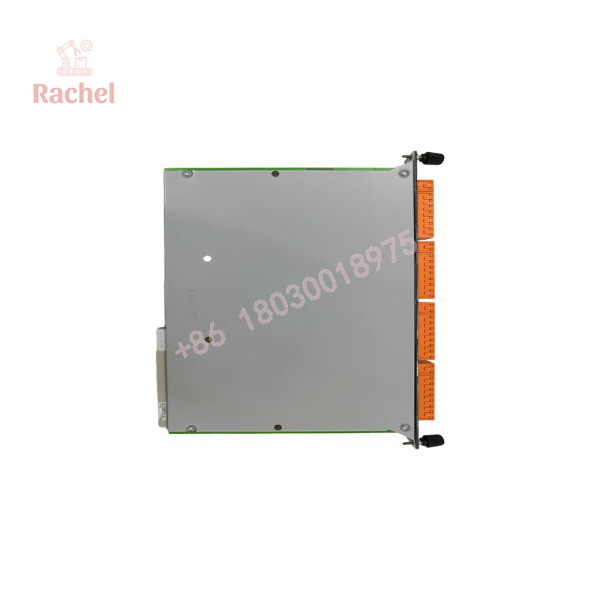
DO 321
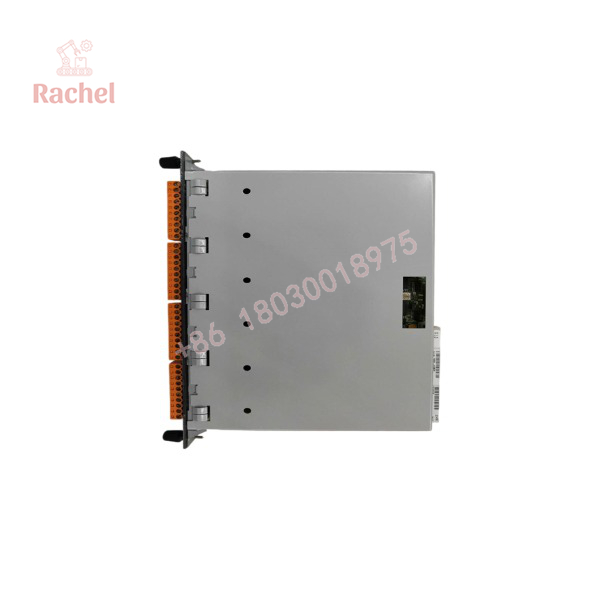
DO 321
The Veteran’s Tech Trap Guide
⚠️ Trap #1 — Do not confuse DO 321 with an analog-output module.
Several online listings contain contradictory descriptions. One current listing calls the device an analog-output card, while other technical references identify it as a 32-channel digital output module.
For procurement, trust the actual module marking, wiring diagram, and system documentation over a generic marketplace description.
⚠️ Trap #2 — DO 321 and DO 321/B are not automatically interchangeable.
The DO 321/B designation is separately documented in repair and service records. Compare the complete ordering designation and revision information before substitution.
⚠️ Trap #3 — Check the field power distribution.
A dead output channel does not necessarily mean the module has failed. Verify the external 24 VDC supply, group-level power, field wiring, fuses, and connected load first. An external short circuit can produce symptoms that look like an I/O failure.
PRO TIP: Before removing the original card, photograph the front label and every terminal connection. For discontinued I/O hardware, that documentation is often more useful than a shortened purchasing description.
Dynamic FAQ
Is the KEBA DO 321 a digital or analog output module?
The available technical evidence identifies the DO 321 as a digital output module, not an analog-output module. Current secondary documentation describes 32 transistor outputs for 24 VDC field devices.
How many outputs does the DO 321 have?
The DO 321 is identified as a 32-channel digital output module. A reported configuration divides the outputs into four groups of eight channels.
What type of devices can it control?
Typical applications include solenoid valves, relays, indicator lamps, pneumatic actuators, and other 24 VDC discrete loads, subject to the module’s actual electrical ratings and the machine’s wiring design.
Is the DO 321 discontinued?
Secondary lifecycle information currently lists the KEBA DO 321 as discontinued, which makes existing-system maintenance and spare-parts sourcing particularly relevant.
Is DO 321 the same as DO 321/B?
Do not assume so. Both designations appear in the secondary market, and DO 321/B is specifically listed as a separate KEBA digital-output card for diagnostic and repair services. Verify the complete part number before purchasing.
How do I verify New Surplus authenticity?
Confirm the exact KEBA model marking, board condition, connector condition, and available traceability. New Surplus should mean unused excess inventory, not merely a refurbished module described as new. Ask for actual photographs and a functional-test statement when the application is production-critical. Warranty duration and DOA/return terms should also be confirmed in writing.

 Start Chat


