





Description
Core Product Summary (Brand / Model / Key Attributes)
The KEBA FM 265/A is a PROFIBUS interface slave module for the Kemro automation system. It connects a KEBA control system to a PROFIBUS-DP network as a slave participant, enabling cyclical process data and acyclical parameter exchange with a PROFIBUS master.
The module supports PROFIBUS-DP with DPV1 functionality at transmission rates from 9.6 kBit/s to 12 Mbit/s. It draws power from the K-Bus (24 V and 5 V), features galvanic isolation on the signaling lines, and provides STATUS and BUSFAULT LEDs on the front panel. Station address is set via DIP switches (range 3–125). Maximum one FM 265/A can be operated per CPU module. Typical applications include injection molding machines, robots, presses, and machine tools.
Key Technical Specifications
| Parameter | Specification |
|---|---|
| Product Type | PROFIBUS interface slave module |
| Protocol | PROFIBUS-DP (DPV1) |
| Transmission Rates | 9.6 kBit/s to 12 Mbit/s |
| Max. Cable Length | 100 m (at 12 Mbit/s) to 1200 m (at 9.6 kBit/s) |
| Galvanic Isolation | Yes (signaling lines) |
| Power Supply | 24 V and 5 V from K-Bus |
| Max. Power Consumption (K-Bus 24 V) | 0 W |
| Max. Power Consumption (K-Bus 5 V) | 1.4 W |
| Max. Modules per CPU | 1 |
| Max. Cycle Time | 50 ms |
| Operating Temperature | +5 °C to +55 °C |
| Storage Temperature | –40 °C to +70 °C |
| Relative Humidity | 10 % to 95 % (non-condensing) |
| Front Panel Displays | STATUS LED, BUSFAULT LED |
| Dimensions (H × D × Front Width) | 120 mm × 100 mm × 22.5 mm (module width 32.5 mm incl. K-Bus plug) |
| Weight | 140 g |
| Protection Class | III |
Detailed Product Overview
The KEBA FM 265/A is a dedicated fieldbus interface module that allows a Kemro or KeControl CPU to participate in a PROFIBUS-DP network as a slave. It is mounted directly on the central processor module via the K-Bus and provides the physical and protocol connection to the PROFIBUS master.
Data exchange covers both cyclical process data and acyclical parameter data under the DPV1 protocol. Transmission speed is automatically adapted within the range 9.6 kBit/s to 12 Mbit/s; corresponding maximum cable lengths range from 100 m at the highest speed to 1200 m at the lowest. The signaling lines are galvanically isolated from the control system.
Station address is configured with DIP switches on the module (valid range 3–125). A change of address becomes effective only after a CPU restart. Two front-panel LEDs indicate module status and bus fault conditions. The module supports a maximum cycle time of 50 ms and is limited to one unit per CPU module.
Power is supplied exclusively from the K-Bus. Typical application environments include injection molding machines, robots, presses, machine tools, and similar industrial control systems. The module complies with relevant sections of EN 61131-2 for environmental and mechanical requirements and is designed for use only with approved KEBA system components.
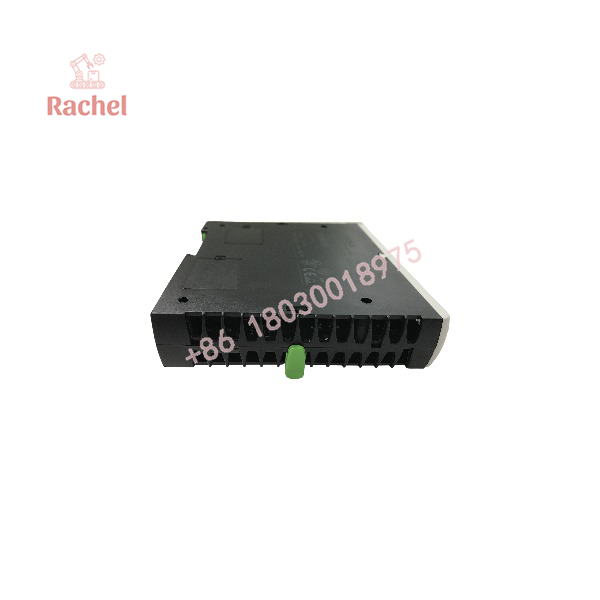
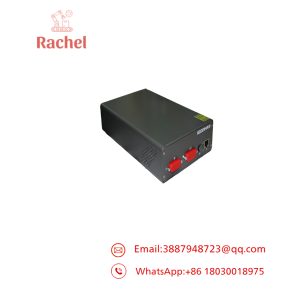
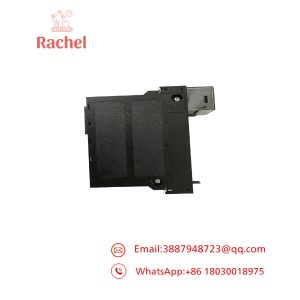
FM 265/A
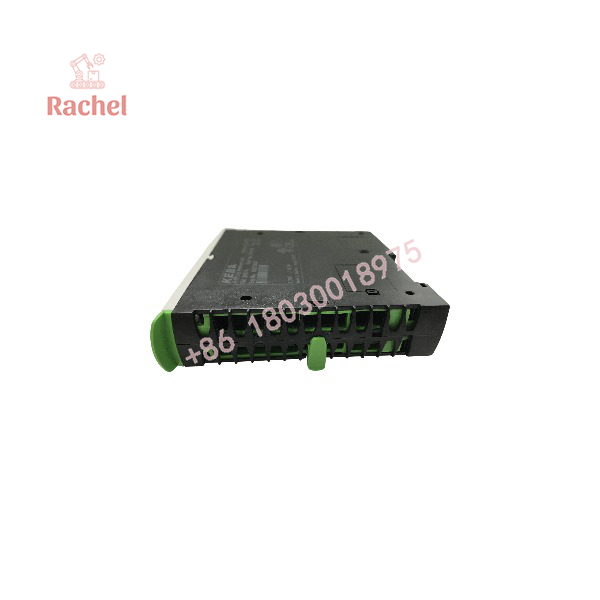
FM 265/A
Engineering Selection Highlights
- PROFIBUS-DP slave with DPV1 support → enables direct integration of a KEBA control system into existing PROFIBUS master networks.
- Transmission rates up to 12 Mbit/s → matches common high-speed PROFIBUS installations while remaining compatible with slower segments.
- Galvanic isolation of signaling lines → improves noise immunity and protects the control system from bus-side electrical disturbances.
- DIP-switch address setting (3–125) → allows simple station addressing without software tools during initial installation.
- Single-module limit per CPU → defines clear system topology and prevents overloading of the K-Bus interface.
- Compact K-Bus form factor (22.5 mm front width) → fits standard KEBA modular control racks with minimal panel space.
- Operating temperature +5 °C to +55 °C → suitable for typical industrial control-cabinet environments.
Dimensions, Mounting & Connection Notes
- Module height: 120 mm
- Mounting depth: 100 mm
- Front panel width: 22.5 mm
- Overall module width (including K-Bus plug): 32.5 mm
- Weight: 140 g
- Mounting: Direct plug-in on the KEBA CPU module via K-Bus connector
- PROFIBUS connection: 9-pole Sub-D socket on the front
- Address selection: DIP switches accessible on the module
- Environmental limits for installation: +5 °C to +55 °C operating, 10–95 % relative humidity non-condensing
System Compatibility & Integration Requirements
| Item / Dependency | Verified Compatibility or Requirement | Practical Note |
|---|---|---|
| Host System | KEBA Kemro / KeControl CPU modules (K2-200 / C2 series) | Mounts directly on the CPU via K-Bus |
| Fieldbus Role | PROFIBUS-DP slave (DPV1) | Requires a PROFIBUS master on the network |
| Power | 24 V and 5 V supplied by K-Bus | No external power supply needed |
| Address Setting | DIP switches, range 3–125 | Address change requires CPU restart |
| Max. Quantity | One FM 265/A per CPU module | System topology limit |
| Connection | 9-pole Sub-D PROFIBUS connector | Standard PROFIBUS cabling and termination rules apply |
| Configuration Tools | KEBA system software (KeStudio) | Module parameters handled within the overall system configuration |
FAQ
What is the KEBA FM 265/A?
It is a PROFIBUS interface slave module that connects a KEBA Kemro or KeControl system to a PROFIBUS-DP network as a slave participant.
Which protocol and speeds does it support?
It supports PROFIBUS-DP with DPV1 functionality at data rates from 9.6 kBit/s to 12 Mbit/s.
How is the station address set?
The PROFIBUS station address is set with DIP switches on the module (valid range 3–125). The new address becomes active only after a CPU restart.
How many FM 265/A modules can be used on one CPU?
A maximum of one FM 265/A may be operated on a single CPU module.
What power supply does the module require?
Power is taken exclusively from the K-Bus (24 V and 5 V). Maximum consumption is 1.4 W on the 5 V rail and 0 W on the 24 V rail.
What are the operating temperature limits?
The module is specified for operation from +5 °C to +55 °C and storage from –40 °C to +70 °C.
What status indications are provided?
Two LEDs on the front panel indicate module STATUS and BUSFAULT conditions.

 Start Chat


