





Description
Product Introduction & Engineering Value
A fire alarm call point should never be the weak link in a hazardous-area safety system — but on offshore platforms and chemical sites, ordinary call points corrode, seize, or worse, become an ignition source themselves. The BG2EDC1FR is built for exactly that environment. Break glass, alarm triggers. Simple as that, even with gloves on in a North Sea gale.
Eaton’s Crouse-Hinds series MEDC BG2 range pairs flameproof certification with a lightweight, high-corrosion-resistance housing — the combination that made MEDC the default specification on offshore and onshore projects for decades. Reset is quick, wiring access is generous, and the unit is rated for gas groups up to IIC T6 as well as combustible-dust atmospheres, so it covers Zones 1/2 and Zones 21/22 installations with one part.
Technical Specifications
| Parameter | Value |
|---|---|
| Model | BG2EDC1FR |
| Range | MEDC BG2 break glass manual call point |
| Gas rating | Ex d e IIC T6 |
| Dust rating | Ex tb IIIC T85 °C |
| Hazardous area suitability | Potentially explosive atmospheres (Zone 1/2 gas, Zone 21/22 dust) |
| Operating principle | Break glass — manual fire alarm initiation |
| Enclosure material | Lightweight, corrosion-resistant (suitable for offshore/onshore) |
| Environment | Harsh and corrosive conditions, offshore or onshore |
| Certification basis | ATEX / IECEx certified |
| Application | Fire alarm system manual call point in hazardous areas |
| Typical mounting | Surface mount, hazardous-area fire detection loops |
(For the exact flame path, terminal capacity, and ingress rating of your specific unit, refer to the MEDC BG2 datasheet ID — suffix variations within the BG2 range change contact configuration and reset type.)
Field Application & The “Trench” Experience
The Trench Story: An offshore production platform in the North Sea failed a periodic safety audit when the inspector found two call points on the wellbay deck with glass elements missing and contacts green with corrosion — salt spray had eaten through them, and someone had “temporarily” taped the contacts open two years earlier. The HSE stop-work notice gave the crew 72 hours. Platform procurement hit a wall: the OEM lead time quoted through the original EPC supply chain was nine weeks. We had BG2EDC1FR units on the shelf. Two units flew out via Aberdeen helicopter freight, arrived on a scheduled crew-change flight, and the offshore technicians had both installed and loop-tested before the follow-up inspection. The inspector signed off, and the OIM ordered four more as strategic spares. The lesson the platform manager repeated to us afterward: “Ex-rated call points are cheap. Shut-down days are not.”
Niche Application Scenarios:
- Wellhead deck fire detection zones on unmanned platforms — where salt-laden atmospheres demand corrosion-resistant Ex d equipment on minimal-maintenance walkways.
- Solvent tank farm bund areas (Zone 2, IIC fluids) — perimeter manual alarm initiation points so operators can raise the alarm while egressing.
- Grain handling and pneumatic conveying plants (Zone 21 dust) — the IIIC dust rating covers combustible flour or dust atmospheres where standard call points are prohibited.
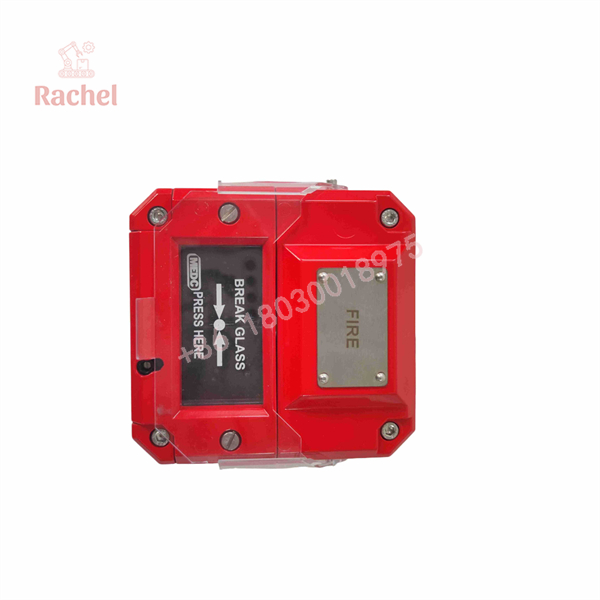
BG2EDC1FR
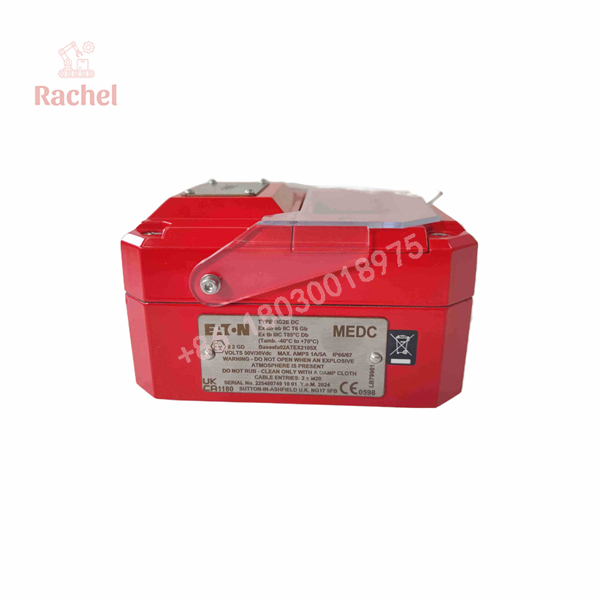
BG2EDC1FR
Transparency SOP: QA & Testing
We treat Ex-rated devices with the paranoia they deserve, because a counterfeit or damaged call point is not just a bad part — it is a compliance failure. Our process runs as a narrative, but the steps are strict:
Every incoming BG2EDC1FR is first inspected intact — housing for cracks or casting flaws, flamepaths for damage or paint overspray, glass element seated correctly, and the certification label checked against the ATEX/IEECx declaration. Then the unit goes to the bench: contact continuity is verified in both rest and operated states, the break-glass mechanism is function-checked (and the element replaced with a new certified spare on Refurbished units), and terminal security is torque-checked. Finally, each unit is photographed against its certificate number, and the record is filed with your order — so when your auditor asks for traceability three years later, you have it in one email.
The Veteran’s Tech Trap Guide
⚠️ The suffix letters are the whole specification. BG2EDC1FR is not the same animal as BG2EDC1NR, BG2EDC2FR, or the other BG2 variants — contact configuration and reset arrangement differ across the range. Procurement officers ordering “a BG2” from a fuzzy site photo routinely receive the wrong suffix, and the returns cycle costs two weeks on a hot site. Read the label on the existing unit. Order that code exactly.
PRO TIP: Protect the flamepath or you’ve bought a paperweight. The Ex d certification lives and dies on the joint between housing and cover. Never paint it, never over-torque it, never file a burr off it. If the flamepath shows scoring or corrosion, the unit is uncertifiable no matter how well it works electrically — retire it. And use the correct certified cable glands; a BG2 with an uncertified gland is an uncertified installation, full stop.
⚠️ Spares planning: order glass elements with the unit. The break-glass element is a consumable, and after any activation or drill you need a certified replacement immediately. Sites that stock the call point but not the element end up improvising — and an Ex-rated device with a non-certified glass insert is out of compliance. Buy a box of elements alongside your spare call points.
Dynamic FAQ
Q1: What exactly do the letters in BG2EDC1FR mean?
The BG2 identifies the enclosure range; the following characters define the mechanism type, contact configuration, and reset arrangement within the range. This distinguishes it from sibling parts like the BG2EDC1NR — always match the full suffix to your existing installed base.
Q2: What certifications does the BG2EDC1FR carry?
It carries ATEX/IECEx certification for explosive atmospheres, rated Ex d e IIC T6 for gas environments and Ex tb IIIC T85 °C for combustible dust — covering IIC gas groups (including hydrogen-class atmospheres) and dust zones in one device.
Q3: Is this suitable for offshore installations?
Yes. The BG2 range was specifically designed for flammable atmospheres and harsh environmental conditions, combining lightweight construction with high corrosion resistance for both offshore and onshore duty.
Q4: Can I use this call point in a dust-hazard zone, not just gas?
Yes — the Ex tb IIIC rating covers combustible dust atmospheres, making it valid for Zone 21/22 areas such as grain, flour, and pulverized material handling, in addition to Zone 1/2 gas areas.
Q5: How do I know your stock is genuine MEDC/Eaton and not a clone?
Because this is a life-safety Ex device, we verify every unit against its certification label, housing casting marks, and ATEX/IECEx declarations, and we provide photos plus traceability records with the order. New Surplus units ship in original packaging; Refurbished units ship with new certified break-glass elements and full bench documentation.
Q6: What warranty do you provide?
Every BG2EDC1FR we ship carries a 12-month functional warranty. Given that each unit is continuity-tested and mechanically inspected before dispatch, failures in service are rare — but if one occurs, we cross-ship a replacement so your fire detection loop is never down waiting on a claim.

 Start Chat


