





Description
Product Introduction & Engineering Value
Legacy VME systems are often kept in service because the surrounding equipment is expensive, highly specialized, and difficult to replace. The processor board is only one part of the system, but it is usually the component that determines whether the entire platform can continue operating. The MVME162-213 provides a proven computing platform for these long-service applications.
For maintenance teams supporting older automation, transportation, or test equipment, replacing a failed VME CPU board with a matching MVME162 variant can avoid software migration, backplane redesign, and lengthy validation cycles. Hardware compatibility matters as much as processor performance.
Technical Specifications
| Parameter | Specification |
|---|---|
| Manufacturer | Motorola Computer Group |
| Model | MVME162-213 |
| Board Type | VMEbus Single Board Computer |
| Form Factor | 6U VME |
| Processor | Motorola MC68040 |
| Processor Speed | Configuration dependent |
| VME Interface | VMEbus A16/A24/A32 addressing support |
| Local Memory | DRAM configuration dependent |
| Communication Interfaces | Serial ports and onboard peripherals (configuration dependent) |
| Expansion Interface | VME backplane |
| Operating Environment | Embedded industrial computing applications |
| Software Compatibility | Legacy VME operating systems and application software |
Note: Motorola MVME162 boards were produced in multiple hardware configurations. Exact memory size, clock frequency, firmware, and installed peripherals should be verified from the board label and assembly revision before replacement.
Field Application & The “Trench” Experience
A semiconductor equipment manufacturer maintained several inspection stations built around VMEbus control racks. After years of operation, one system began experiencing intermittent processor resets. The original MVME162-213 board had accumulated extensive operating hours, but the machine software and custom I/O interface were still functioning correctly.
The maintenance team evaluated a modern controller upgrade but found that software migration and validation would exceed the planned outage window. A tested MVME162-213 replacement board was installed instead. Engineers verified VME addressing, memory configuration, and peripheral communication before returning the inspection station to production.
Typical application scenarios include:
- Semiconductor inspection and process equipment controllers
- Automated test and measurement systems
- Railway signaling and monitoring platforms
- Industrial simulation and data acquisition systems
- Legacy factory automation controllers
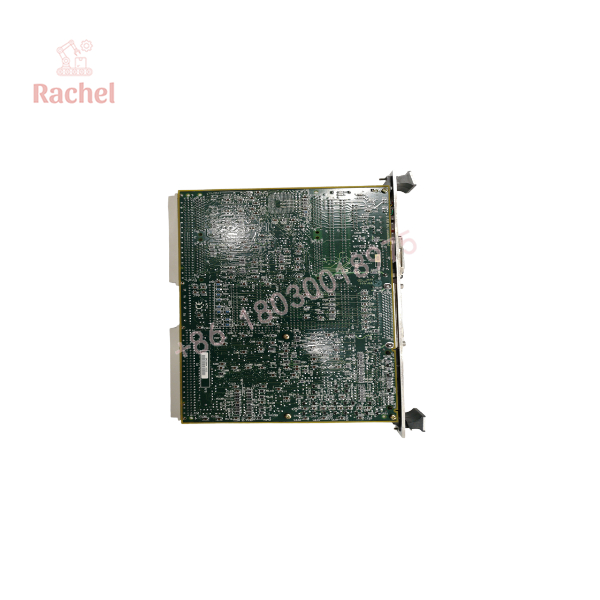
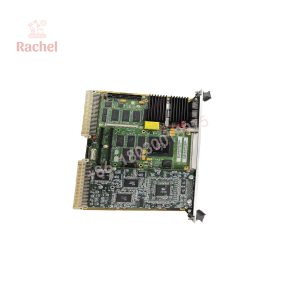
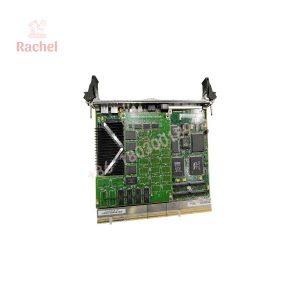
MVME162-213
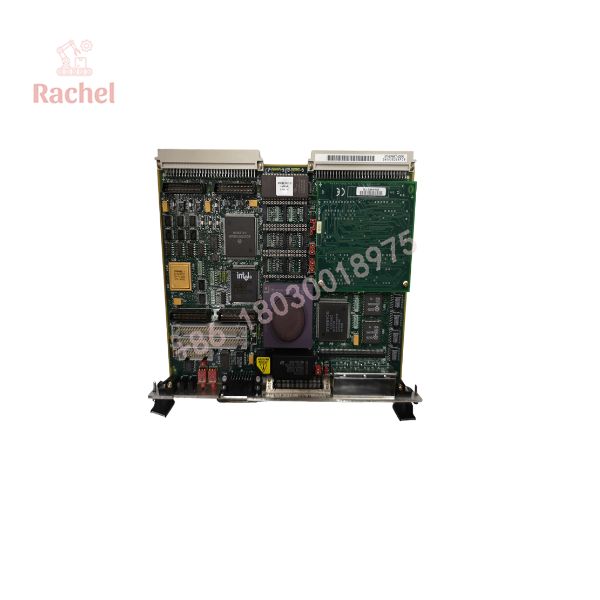
MVME162-213
Transparency SOP: QA & Testing
Pre-shipment verification process:
- Identification check
- Confirm MVME162-213 model marking.
- Verify board revision and assembly information.
- Record serial information where available.
- Physical inspection
- Examine PCB condition.
- Inspect VME edge connectors.
- Check for corrosion, contamination, or component damage.
- Operational testing
- Boot test in compatible VME chassis.
- Verify processor initialization.
- Confirm memory recognition.
- Check VME bus communication.
- Validate serial and peripheral functions where supported.
New Surplus units should be inspected for storage conditions and authenticity. Refurbished units should include cleaning, component inspection, functional testing, and warranty documentation.
The Veteran’s Tech Trap Guide
⚠️ Trap 1: Matching only the MVME162 family number
The MVME162 series includes many variants. Differences in memory size, processor options, firmware, and onboard peripherals can affect compatibility.
PRO TIP: Compare the complete part number and board revision before approving a replacement.
⚠️ Trap 2: Losing VME configuration information
A replacement CPU board may require the same:
- Address mapping
- Interrupt assignments
- Slot configuration
- Boot parameters
Document the working system before removing the failed board.
⚠️ Trap 3: Ignoring software dependency
Many VME systems run custom software written decades ago. A hardware replacement that appears compatible may still fail if firmware or boot ROM versions differ.
Always verify the existing software environment.
Dynamic FAQ
Q1. What is the Motorola MVME162-213?
The MVME162-213 is a Motorola 6U VMEbus single-board computer using the MC68040 processor architecture for embedded control applications.
Q2. Is the MVME162-213 still available from Motorola?
The MVME162-213 is a legacy VME product. Current availability is generally through industrial surplus, used, and refurbished equipment suppliers.
Q3. Can the MVME162-213 replace another MVME162 model?
Only after confirming processor type, memory configuration, firmware revision, and application requirements. Similar board names do not always guarantee drop-in compatibility.
Q4. What should be included with a refurbished MVME162-213?
A professional refurbishment package should include:
- Hardware inspection
- Functional test results
- Configuration verification
- Warranty information
Q5. What causes MVME162-213 failures in long-term operation?
Common issues include aging electronic components, connector oxidation, environmental contamination, and storage-related degradation.
Q6. Why do plants still keep MVME162-213 spare boards?
Many VME-based systems remain operational because they control specialized equipment with validated software. Keeping a tested spare avoids costly redesign and reduces extended downtime.

 Start Chat


