





Description
Product Introduction
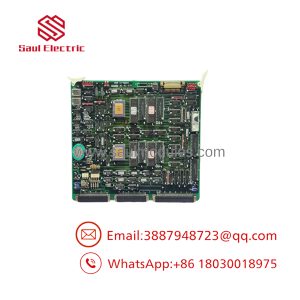
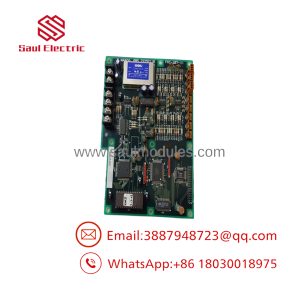
The NABCO NAP0-406 is a dedicated marine automation control circuit board manufactured by Nabtesco/NABCO for shipboard propulsion remote control systems. Installed within the sub-rack card cages of main engine remote control consoles, bridge telegraph units, and governor control cabinets, the NAP0-406 conditions analog/digital control signals exchanged between the navigation bridge, wheelhouse, and engine room.
Equipped with high-reliability discrete logic components, signal conditioning channels, and industrial relay drivers, the board ensures reliable command execution under harsh marine environments. It protects sensitive downstream microprocessor units from voltage spikes, electrical noise, and signal degradation across long shipboard cable runs.
Key Technical Specifications
| Parameter | Specification |
| Manufacturer | NABCO / Nabtesco Corporation |
| Model Number | NAP0-406 (NAP0 406) |
| Board Category | Marine Signal Conditioning & Interface PCB |
| Primary System | Main Engine Remote Control, Telegraph & Governor Systems |
| Form Factor | Rack-mounting plug-in card with multi-pin card-edge backplane connectors |
| Physical Weight | Approx. 0.82 kg (820 grams) |
| Operating Temp Range | -10°C to +60°C (14°F to 140°F) |
| Enclosure Rating | IP00 (Designed for installation inside IP54 marine control cabinets) |
Application Scenarios & Field Case Study
The Marine Engineer’s Scenario
During a harbor departure, the duty engineer receives an intermittent signal loss alarm on the main engine remote control system. The bridge telegraph handle position fails to sync properly with the main governor unit, causing the speed reference to freeze. Inspecting the sub-rack card cage reveals corroded traces and component aging on the original NAP0-406 interface card. Swapping in a pre-tested, certified surplus NAP0-406 board restores clear signal transmission across the backplane bus, clearing the alarm and allowing the vessel to proceed safely on its voyage.
Application Scenarios
- Bridge Engine Order Telegraphs (EOT): Processes command signals sent between bridge levers and engine room receivers.
- Main Engine Remote Control Consoles: Routes command reference voltages and interlock signals to main engine governor sub-racks.
- Safety System Interlocks: Manages trip/alarm status feedback for auxiliary engine monitoring panels.
Transparency SOP: Quality Assurance & Testing
- Optical Inspection: PCB traces, surface solder joints, onboard relays, and connector contacts are checked under magnification for signs of thermal stress, moisture damage, or cold solder joints.
- Connector & Pin Integrity: Edge connectors and pin headers are thoroughly cleaned with electrical contact solvent and inspected for oxidation or mechanical bending.
- Static & Powered Circuit Testing: Resistance checks are performed across primary power rails to detect short circuits before applying 24V DC test power on a bench simulator.
- Signal I/O Verification: Input and output channels are toggled to confirm relay engagement and clean voltage state transitions without signal chatter.
- ESD Packaging: Approved boards are coated with anti-corrosion protective treatment where required and sealed in ESD static-shielding bags with custom foam padding.
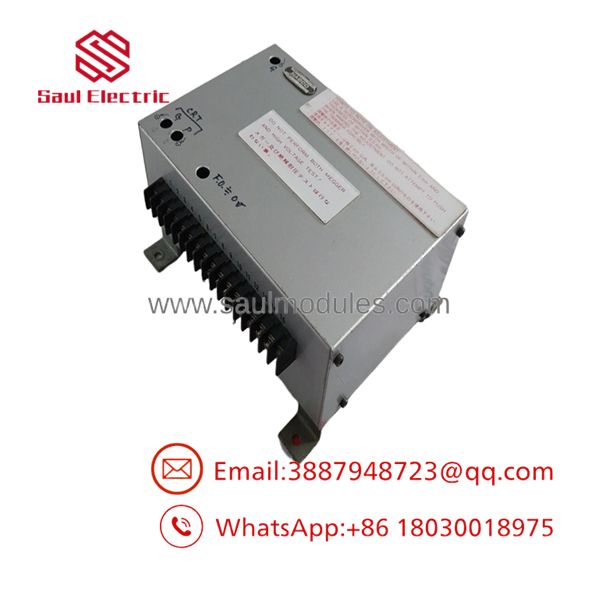
NAP0-406
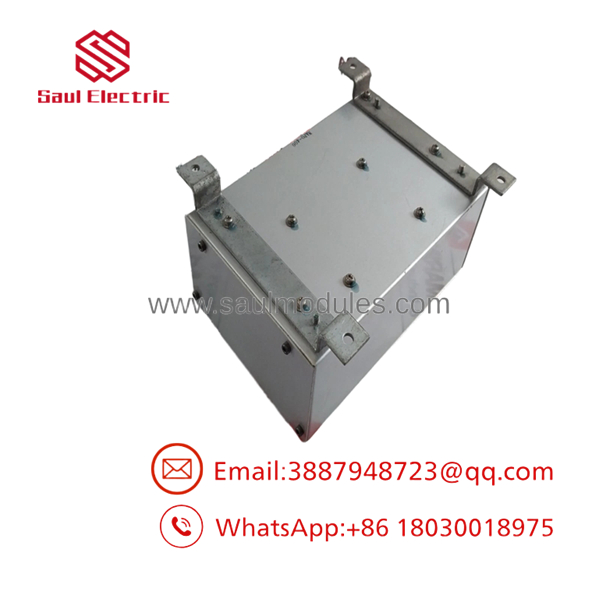
NAP0-406
Maintenance & Field Operational Guidance
- ⚠️ Verify Board Compatibility: Always confirm that the model designation
NAP0-406matches your original board silkscreen and part documentation before slotting the replacement into the rack slot. - ❗ De-Energize Control Cabinets: Never pull or insert the while the sub-rack power supply is active. Hot-plugging can cause arcing across backplane pins, damaging onboard logic ICs.
- ⚠️ Clean Sub-Rack Card Guides: Marine environments subject control cabinets to salt air and vibration. Clean card guide rails and backplane sockets with contact cleaner prior to installation.
- ❗ Inspect Upstream Power Supplies: Ensure the sub-rack’s primary power converter (such as a 24V DC supply) is outputting clean, ripple-free voltage to prevent premature component failure on the replacement board.
Frequently Asked Questions (FAQ)
Q: What is the primary function of the NABCO PCB?
A: It is a marine control card used for signal conditioning, interface processing, and interlock routing within NABCO ship propulsion and engine room automation systems.
Q: Is the board still manufactured brand new?
A: No, original factory production of this series has been discontinued. Replacement cards are supplied via certified new surplus or fully tested refurbished marine stock.
Q: Can this board be replaced without recalibrating the entire engine control system?
A: Generally yes—it functions as a direct drop-in replacement card within the sub-rack assembly. However, zero/span calibration checks on related analog feedback loops are recommended following installation.

 Start Chat


