





Description
Product Introduction
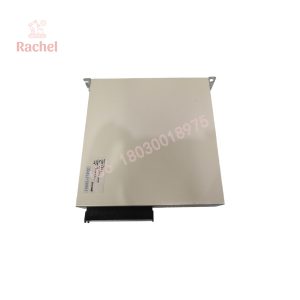
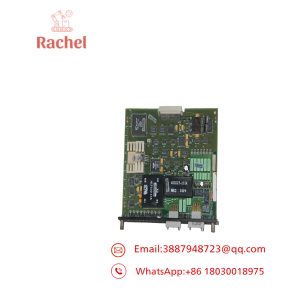
The Reliance Electric 0-51851-5 is a core regulator printed circuit board engineered for legacy Reliance DC variable-speed drives and process control racks. Built to handle heavy industrial processing demands, this board processes feedback signals from tachometers, armatures, and current transformers to deliver precise firing pulse timing to the power bridge’s SCRs.
Unlike modern digital drive cards that rely on complex software parameter stacks, the 0-51851-5 uses time-tested analog operational amplifier circuits and precision onboard potentiometers. This hardware-level regulation provides near-zero feedback loop latency, ensuring ultra-stable torque and speed control across harsh, high-noise electrical environments without risk of firmware corruption.
Key Technical Specifications
| Parameter | Value |
| Part Number | 0-51851-5 |
| Manufacturer | Reliance Electric / Rockwell Automation |
| System Compatibility | Legacy MaxPak, FlexPak, and custom drive racks |
| Board Type | Main Speed/Current Regulator & Trigger Card |
| Feedback Inputs | Tachometer generator (AC/DC), Armature Voltage (V/Hz) |
| Adjustments Onboard | Minimum Speed, Maximum Speed, Current Limit, IR Comp, Accel/Decel Rate |
| Connection Interface | Multi-pin gold-plated edge card connector |
| Form Factor | Rack-mount / Slide-in chassis card |
| Operating Temp | 0°C to 55°C (32°F to 131°F) |
| Conformal Coating | Industrial standard varnish (moisture and dust protection) |
Application Scenarios & The “Trench” Experience
Picture this: It is 3 AM, and a web-handling line at a paper converting plant trips out on an overcurrent fault. The drive cabinet smells like burnt carbon, and the main motor refuses to maintain speed stability. The culprit is a drifted regulator board with blown Op-Amps on the feedback loop. You do not have the weeks required to retrofit the entire rack to a modern AC drive—you need a pre-calibrated 0-51851-5 drop-in replacement card right now to get tension back on the line.
- Paper & Converting Web Lines – Main continuous draw drives – Maintains precise web tension control without speed hunting.
- Metals & Steel Processing – Uncoiler/Recoiler tension reels – Delivers high torque accuracy under heavy dynamic load swings.
- Extrusion & Plastics – Heavy-duty barrel screw DC drives – Provides steady current limiting to protect mechanical gearboxes during cold starts.
- Rubber & Tire Manufacturing – Calender roll speed regulation – Eliminates drift caused by thermal fluctuations in the drive room.
Field Case Study
A steel service center in Ohio suffered an unexpected shutdown on their primary slitting line when an aging 0-51851-5 card suffered trace degradation due to sulfur vapor exposure over 20 years of continuous duty. The line was losing $4,500 every hour in missed custom cut orders. We pulled a fully refurbished, varnish-sealed 0-51851-5 unit from inventory, hot-shot delivered it to the facility, and had their field engineer match the potentiometer turn-counts from the old board. The slitter was back in full production under two hours from arrival.
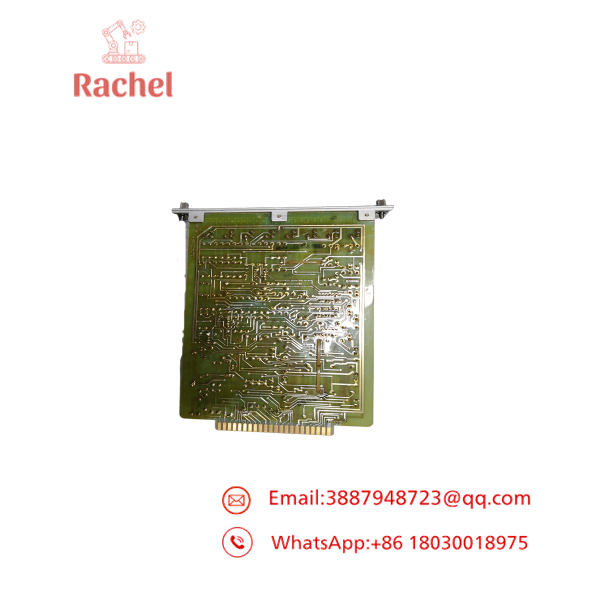
0-51851-5
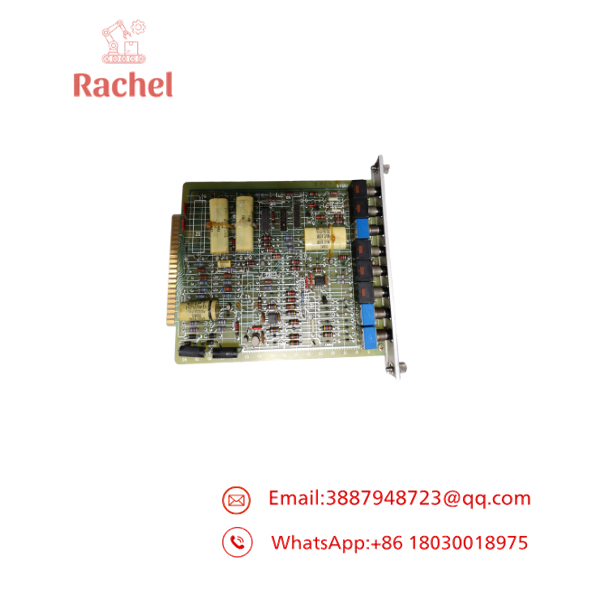
0-51851-5
Transparency SOP: Quality Assurance & Testing
We don’t just ship boxes; we test them on actual Reliance test benches:
- Inbound Visual Inspection: Check PCB traces for thermal stress, cracked solder joints, micro-fractures, and edge connector plating integrity.
- Component-Level Screening: Test operational amplifiers, passive resistors, and electrolytic capacitors for ESR and drift out of OEM tolerance.
- Live Rig Power-On: Mount the 0-51851-5 into a live Reliance drive chassis with a simulated DC motor load.
- Signal & Trigger Verification: Use dual-trace oscilloscopes to confirm clean, symmetrical SCR firing pulses across the full speed range.
- Potentiometer Sweep: Verify linear resistance sweeps on all tuning trim-pots (IR Comp, Current Limit, Accel/Decel) without dead spots.
- Protective Packaging: Clean with anti-static solvent and seal in ESD-shielding bags inside heavy corrugated foam shipping containers.
The Veteran’s Tech Trap Guide
- ⚠️ Count Your Potentiometer Turns: Before pulling the failed board, take a fine-tip marker and log the physical position—or measure resistance values across test points—of every single potentiometer on the 0-51851-5. Dropping a replacement in with factory default pot settings will send your motor spinning away or trip instant current limits.
- ❗ Inspect the Backplane Socket: A clean board will fail or burn out instantly if the chassis edge connector socket has loose, corroded, or bent contacts. Clean the female connector with isopropyl alcohol and contact cleaner before sliding the new card in.
- ⚠️ Watch Out for Hardware Revision Suffixes: Pay close attention to the dash number (e.g., -5 vs -1 or -3). While some sub-revisions are backward compatible, component changes on the feedback scaling network in later revisions can alter your speed feedback scaling calibration.
- ❗ ESD Sensitivity: Legacy analog ICs on these boards do not have the robust built-in ESD protection found in modern hardware. Wear a grounded wrist strap when handling the card; touching the edge connector with static charge can destroy the input transistors.
Frequently Asked Questions
Q: Is the Reliance 0-51851-5 hot-swappable?
A: Absolutely not. Pulling or inserting this board with main or control power applied will arc the edge connector pins, destroy sensitive operational amplifiers, and potentially trigger an unguided drive firing event. Always lock out and tag out the main breaker first.
Q: Can I use a 0-51851-5 to replace an earlier 0-51851 revision (like a 0-51851-1)?
A: In most applications, yes—higher dash-number revisions incorporate engineering change notices (ECNs) that improve thermal stability and trace layout. However, you must verify the jumper configurations and tune the potentiometers to match your existing drive setup.
Q: Why choose refurbished or surplus over converting to a modern AC drive right now?
A: A complete drive conversion requires changing the motor, pulling new power cables, updating PLC communication networks, and rewriting control logic—often costing tens of thousands of dollars and days of downtime. A drop-in 0-51851-5 PCB replacement restores production in minutes for a fraction of the cost.
Q: How do I calibrate the Current Limit on the replacement board?
A: Lock the motor rotor or apply a controlled mechanical load, monitor armature current with a calibrated clamp meter or drive test points, and slowly adjust the Current Limit pot on the front face of the card until current peaks exactly at the motor’s nameplate service factor limit.
Q: What warranty is provided with this unit?
A: All our Reliance 0-51851-5 regulator boards—whether New Surplus or bench-tested Refurbished—come with a full 12-month operational warranty covering component defects and circuit performance.

 Start Chat


