





Description
Product Introduction & Engineering Value
The 5801-SD100C is a dedicated solenoid-driver module used in marine electro-hydraulic control equipment. Its job is straightforward but operationally important: convert a control-system command into the electrical drive required by a solenoid associated with hydraulic steering or actuator equipment.
For maintenance teams, the important point is system compatibility. This is not a generic PLC output card that should be substituted solely because the voltage appears similar. The correct replacement should be matched against the vessel’s Tenfjord/Rolls-Royce steering architecture, wiring, solenoid characteristics, and installed revision.
Technical Specifications
Because publicly available documentation for this legacy marine component is limited, the following distinction matters: confirmed identification is included, while unverified electrical ratings are not presented as OEM specifications.
- Part Number: 5801-SD100C
- Product Type: Solenoid Driver
- Manufacturer Association: Ulstein Tenfjord / Rolls-Royce Marine
- Primary System: Marine electro-hydraulic steering/control equipment
- Output Function: Solenoid actuation
- Controlled Equipment: Hydraulic valve/actuator circuits
- System Environment: Marine automation
- Control Role: Electrical drive/interface between control logic and solenoid hardware
- Country of Origin: Norway is listed for one documented unit.
- Weight: Approximately 200 g is reported for one unit; verify against the physical unit before using this for shipping or mechanical calculations.
- Electrical Rating: Verify from the vessel-specific documentation and nameplate before installation.
- Operating Temperature: Do not rely on generic third-party values without confirming the exact hardware revision.
Some online listings claim 24 VDC operation, IP66 protection, and other numerical parameters, but these figures are not sufficiently corroborated by an OEM datasheet in the sources reviewed. They should therefore be treated as application-dependent claims, not guaranteed specifications.
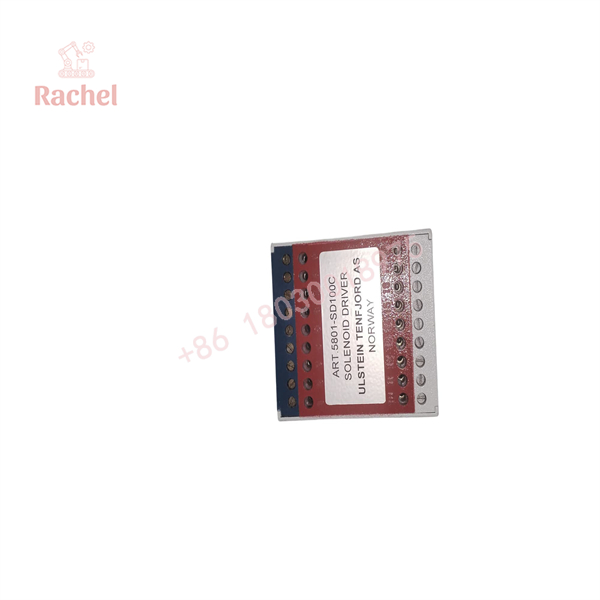
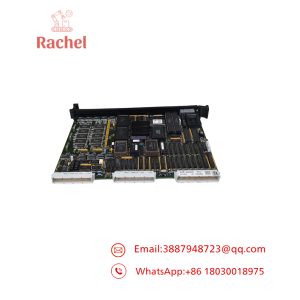
5801-SD100C
Field Application & the “Trench” Experience
Consider a vessel experiencing intermittent steering response on one hydraulic control channel. The PLC and bridge control interface appear normal, but the commanded hydraulic valve does not consistently actuate. After checking the upstream command path, the maintenance team isolates the solenoid-driver stage and finds that the installed driver is producing abnormal output behavior.
This is where replacing the 5801-SD100C becomes different from replacing an ordinary automation I/O module. The technician needs to verify the complete signal chain—controller output, driver input, driver output, solenoid coil, hydraulic valve, and feedback—before declaring the driver defective.
Typical applications include:
- Electro-hydraulic rudder control — driving solenoid-operated hydraulic circuits associated with steering gear.
- Marine propulsion steering interfaces — providing the electrical drive stage between vessel control electronics and hydraulic actuation.
- Steering-system maintenance and retrofit work — replacement of an obsolete or failed driver while retaining the installed Tenfjord control architecture.
Marine suppliers specifically associate the 5801-SD100C with Tenfjord steering equipment and solenoid-driven hydraulic control.
Transparency SOP: QA & Testing
For a New Surplus or refurbished 5801-SD100C, a sensible inspection procedure should include:
1. Identification check
Confirm the complete part number, manufacturer marking, revision information, labels, connector arrangement, and physical construction.
2. Physical inspection
Check terminals, connector pins, PCB condition, enclosure damage, corrosion, contamination, and evidence of previous overheating.
3. Electrical verification
Where suitable test equipment and documentation are available, verify input/output behavior against the applicable Tenfjord/Rolls-Royce service documentation rather than applying an assumed generic solenoid-driver test.
4. Functional test
Test the driver under a controlled load representative of the intended solenoid circuit. Do not connect an unknown replacement directly to a live steering system as the first test.
5. Documentation
Record the tested part number, revision, test date, observed condition, and final disposition.
This distinction is important because the marketplace contains units described as used and working, new/used, and even not working. Condition must therefore be established for the actual unit being supplied, not inferred from the part number alone.
The Veteran’s Tech Trap Guide
⚠️ Trap #1 — Treating it like a generic output module
A solenoid driver is part of a complete electrical-to-hydraulic control chain. Matching only the nominal supply voltage is not enough. Verify the actual solenoid coil, control input, output behavior, and system wiring.
⚠️ Trap #2 — Ignoring the exact hardware revision
Legacy marine equipment can remain in service for years. A visually similar board may have different circuitry, connectors, or electrical characteristics. Record the complete identification before removing the original.
PRO TIP: Photograph the original wiring and terminal identification before disconnection. For steering equipment, a wiring mistake can become an operational problem rather than merely a PLC diagnostic.
⚠️ Trap #3 — Testing the driver without the correct load
Solenoid drivers interact with inductive loads. An improvised test load may not reproduce the electrical conditions of the installed valve coil. Functional testing should follow the applicable service documentation.
Dynamic FAQ
Is the 5801-SD100C a PLC I/O module?
No. Available marine-part references identify it specifically as a solenoid driver used within marine steering/control equipment.
What system is the 5801-SD100C associated with?
The part is associated with Ulstein Tenfjord / Rolls-Royce Marine equipment, particularly marine electro-hydraulic steering applications.
Can I replace it with a generic 24 VDC solenoid driver?
Not without engineering verification. Some third-party listings report 24 VDC operation, but the available evidence does not establish that as a universal OEM specification for every 5801-SD100C installation. Confirm the vessel documentation and installed solenoid requirements first.
Is the 5801-SD100C available as New Surplus?
Availability varies by supplier and unit condition. Current listings show this part offered as new/used, used, and other conditions, so the exact condition should be confirmed on the quoted unit.
How should a replacement unit be verified before installation?
Confirm the complete part number and revision, inspect connectors and circuitry, compare the electrical characteristics with the vessel documentation, and perform a controlled functional test before placing the unit into the operational steering circuit.
What warranty should I expect?
Warranty terms are supplier-specific, not inherent to the 5801-SD100C part number. One current supplier advertises a one-year warranty, while other listings describe the units simply by condition. Obtain the warranty period and test/return terms in writing with the quotation.

 Start Chat


