





Description
Product Introduction
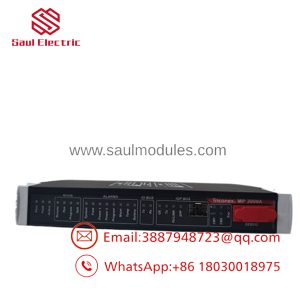
The Invensys Triconex MP3101S2 is a main processor card designed for Tricon Triple Modular Redundant (TMR) safety instrumented systems. Plants deploy this card inside Tricon main chassis to drive emergency shutdown (ESD), burner management systems (BMS), fire and gas (F&G) detection, and turbomachinery control.
Unlike standard single-channel controller CPUs, the MP3101S2 runs three isolated processing channels in parallel. Patented hardware voting circuits continuously reconcile data across all three legs. If a single processor leg fails or drops a clock cycle, the module isolates the faulty leg and maintains process safety without taking the plant offline. It fits standard Tricon backplanes, making it an exact replacement when upgrading or servicing legacy installations.
Key Technical Specifications
| Parameter | Specification / Value |
| Architecture | Triple Modular Redundant (TMR), 2oo3 Voting |
| Microprocessor | Triple 32-bit RISC processors running in parallel |
| Safety Certification | TÜV Certified SIL3 (IEC 61508) |
| Logic Memory | 16MB Non-volatile Flash |
| Execution Memory | 64MB SDRAM (Error-Correcting Code) |
| Min Scan Time | ~1ms logic execution loop |
| Diagnostic Coverage | >99.9% fault coverage across logic channels |
| Power Consumption | 8W typical @ 24 VDC (bus powered) |
| Operating Temp | -40°C to +70°C (-40°F to 158°F) |
| Configuration Software | TriStation 1131 (v4.x to v10.x compatible) |
Application Scenarios & The “Trench” Experience
It is 2 AM on a freezing night at a Gulf Coast refinery. A transient power glitch faults one of the main processor legs in a critical hydrocracker ESD rack. The chassis fault LED flashes amber. Every hour of delayed production costs the operator $45,000. You cannot risk a full plant shutdown to clear a faulted CPU card—you need a verified main processor that drops right into the rack and handshakes immediately with the remaining legs.
Application Scenarios
- Refinery Hydrocracker – Emergency Shutdown (ESD): Evaluates high-pressure trip points continuously. Requires SIL3 voting so a single component failure never triggers a nuisance trip.
- Offshore Platform – Fire & Gas (F&G) System: Scans hundreds of optical flame and toxic gas detectors. Needs high fault tolerance to operate reliably in severe marine environments.
- Power Plant – Boiler Burner Management (BMS): Manages fuel gas shutoff valves. Demands deterministic logic execution to isolate gas lines within milliseconds if flame-out occurs.
- Chemical Plant – Exothermic Reactor Protection: Controls rapid quenching valves. Hardware-isolated processor channels ensure the trip routine runs even during background diagnostic routines.
Field Case Study
A Midwestern gas processing facility experienced a channel fault on an aging Tricon main processor during a winter peak-demand cycle. Pulling the system offline for a multi-day upgrade was out of the question. We delivered a pre-tested, factory-sealed MP3101S2 module within 12 hours. The site instrument tech inserted the card into the active rack; the module synchronized with channels A and B automatically, clearing the system alarm in under two minutes. Total downtime avoided: $380,000.
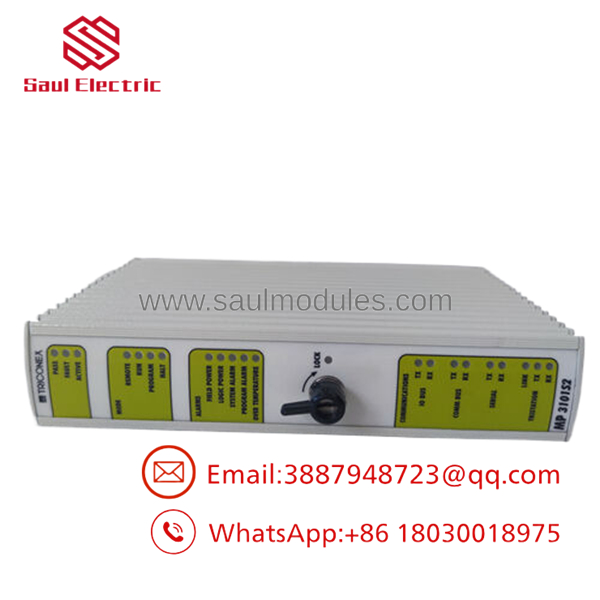
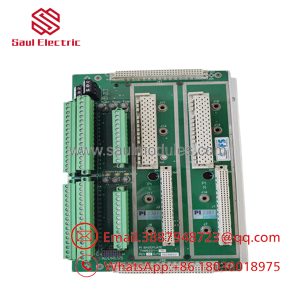
- MP3101S2
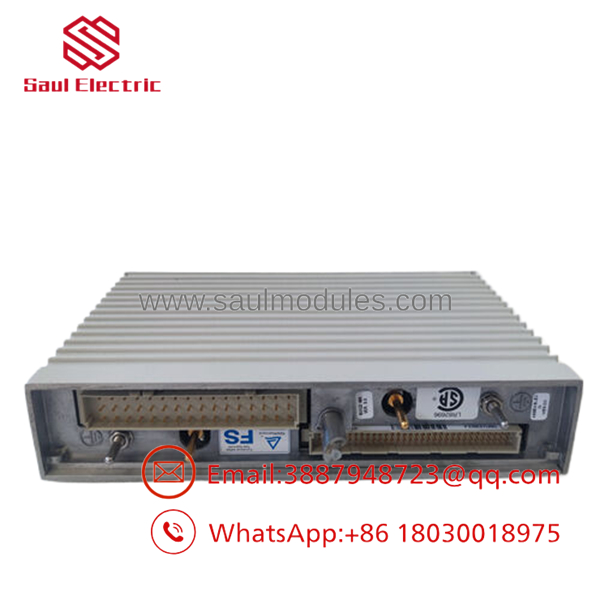
- MP3101S2
Transparency SOP: Quality Assurance & Testing
We do not just ship box stock; we validate every module on live Tricon test rigs before it leaves our facility.
- Inbound Inspection: We inspect physical housing, guide rails, and backplane pin connectors under high magnification for ESD degradation, cracked PCB traces, or broken mechanical retention clips.
- Anti-Counterfeit Check: Serial numbers, board revision silk-screening, and OEM security labels are cross-referenced directly against Tricon manufacturing databases.
- Live Rig Power-On Test: The module is inserted into a powered Tricon main chassis alongside active I/O cards to verify power-up self-tests, rail voltages, and LED status indicators.
- TriStation Handshake & Diagnostic Dump: We connect via TriStation 1131 to run a complete system diagnostic, check memory health, verify communication bus clocking, and wipe residual customer code.
- ESD-Safe Packaging: Modules are sealed inside static-shielding bags with fresh desiccant before being packed in custom high-density foam shipping boxes.
The Veteran’s Tech Trap Guide (Crucial Value-Add)
To be honest, most field failures during card replacements come down to simple oversight. Keep these points in mind when swapping an MP3101S2:
- ⚠️ Verify TriStation 1131 Firmware Versions: Match the firmware revision on the replacement card with the existing processors in the rack before swapping. Running mismatched firmware builds (e.g., trying to pair a v9.6 card with v10.2 channels) will prevent channel synchronization and trigger a system configuration fault.
- ❗ Check Mechanical Keying Pins: Tricon chassis use plastic mechanical keying pins on the backplane slot to prevent inserting the wrong module type. Never force a card in. If it resists, verify that the slot keying matches the pinout.
- ⚠️ Never Touch the Backplane Connector Gold Pins: High-density backplane connectors on Tricon systems are sensitive to electrostatic discharge (ESD) and skin oils. Wear an grounded ESD wrist strap, and hold the module strictly by its front metal faceplate and plastic ejector handles.
- ❗ Allow Full Channel Sync: When inserting a replacement processor into an operational rack, give the card up to 60 seconds to pass internal self-tests, download system state from the active channels, and turn its Active LED solid green. Do not cycle rack power while synchronization is in progress.
Frequently Asked Questions (FAQ)
Q: Is the Triconex MP3101S2 hot-swappable in a live system?
A: Yes. The Tricon chassis backplane supports hot-swapping for main processor cards. You can insert the replacement card into an open slot while the remaining processor modules run the active process control loop.
Q: What is the main difference between the MP3101 and the ?
A: The “S2” suffix indicates an updated hardware revision with improved component tolerances, updated internal memory chips, and enhanced ESD immunity on the backplane interfaces compared to earlier 3101 revisions.
Q: Can I mix an with older MP3101 modules in the same main chassis?
A: It depends on your system firmware and OEM release notes. In general, all three main processors in a Tricon main chassis should share the same hardware revision and identical firmware versions to ensure lockstep execution and reliable 2oo3 voting.
Q: How do you price these modules significantly below factory OEM list prices?
A: We source surplus inventory, cancelled project spares, and decommissioned clean-room plant assets globally. Every unit goes through full live-rig testing before being listed, allowing you to bypass 26-week OEM lead times at a fraction of the cost.
Q: What warranty coverage comes with this module?
A: We provide a full 12-month replacement warranty on all New Surplus and Refurbished cards. If the unit fails functional testing or diagnostics during your installation window, we swap it immediately from our stock.

 Start Chat


