





Description
Product Introduction
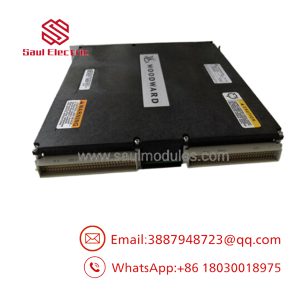
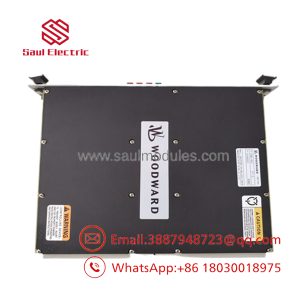
The Woodward 9905-969 is a heavy-duty electronic governor from the 2301A Load Sharing and Speed Control line. Designed for diesel engines, gas engines, and steam turbines driving electric generators or pumps, it monitors engine speed via a magnetic pickup and regulates fuel supply to maintain tight frequency stability.
Operating on a 24 VDC nominal power supply, the 9905-969 is configured for Reverse Acting system setups (where maximum output current corresponds to minimum fuel/closed governor position). It supports both single-unit Isochronous speed regulation and paralleled generator load-sharing across a common bus.
Key Technical Specifications
| Parameter | Specification |
| Manufacturer | Woodward |
| Part Number | 9905-969 |
| Control Series | 2301A Load Sharing & Speed Control |
| Operating Voltage | 20 to 32 VDC (24 VDC Nominal) |
| Actuator Signal Type | Reverse Acting (Maximum current = Minimum fuel/speed) |
| Actuator Output Current | 40 to 320 mA output range |
| Speed Sensor Input | Magnetic Pickup (MPU) 1.5 to 30 Vrms |
| Operating Modes | Isochronous or Droop (Terminal strap configurable) |
| Ambient Operating Temp | -40°C to +70°C (-40°F to +158°F) |
| Mounting | Surface-mount chassis plate |
Application Scenarios & The “Trench” Experience
During a blackout emergency at a marine terminal, a dual-generator prime power skid refused to share electrical load evenly, causing the lead generator to trip on over-current. Inspection revealed thermal drift on the old reverse-acting governor card. Replacing the faulty control with a bench-tested Woodward 9905-969, setting the initial gain and reset trims, and connecting the load-sharing lines allowed both diesel gensets to lock into stable, 50/50 kilowatt balance across the main switchboard within an hour.
Target Applications:
- Parallel Marine Gensets: Balancing kilowatt distribution across multiple diesel generators on shipboard microgrids.
- Failsafe Turbine Governors: Controlling reverse-acting hydraulic and pneumatic actuators where loss of signal defaults to maximum fuel shutdown protection.
- Industrial Standby Power: Managing speed regulation and ramp-up timing on large standby gas and diesel engines.
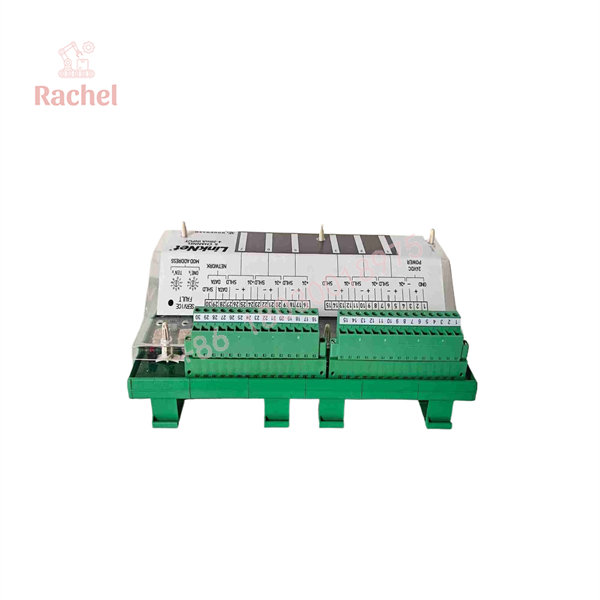
9905-969
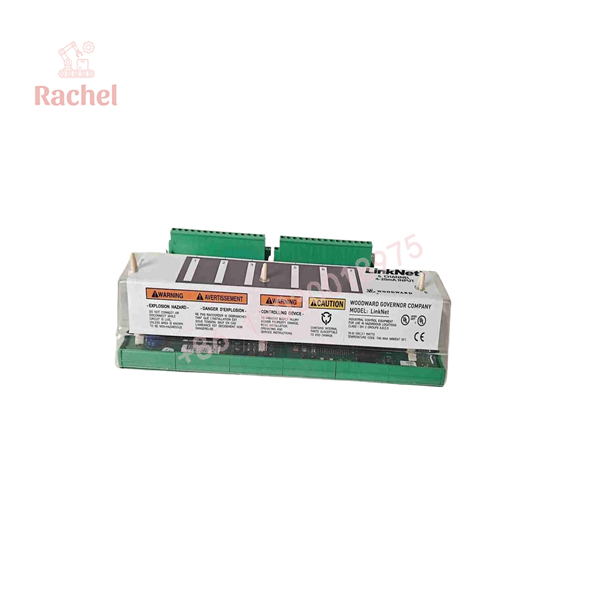
9905-969
Transparency SOP: Quality Assurance & Testing
We treat engine control hardware with zero-tolerance bench validation before shipment:
- Inbound Hardware Inspection: Check terminal barrier strips, potentiometer adjustment screws, PCB trace integrity, and conformal coating condition.
- Power Supply & Input Verification: 24 VDC power rail testing under low (20V) and high (32V) input swings to confirm voltage regulator stability.
- MPU Signal Processing Check: Injecting simulated frequency signals from a function generator to confirm speed sensing linearity across the full operating RPM band.
- Reverse-Acting Actuator Output Test: Connecting a simulated 40–320 mA actuator load to verify that signal current decreases as simulated speed drops below setpoint.
- ESD-Safe Packaging: Cleaned, sealed in static-shielding bags, and standard-packed in custom-cut foam protective boxes.
The Veteran’s Tech Trap Guide
- ⚠️ Do not confuse Reverse Acting with Forward Acting! The 9905-969 is a Reverse Acting module (increasing speed decreases actuator current). Swapping a reverse-acting control into a forward-acting system will cause the fuel valve to spring wide open on power-up, causing a dangerous engine overspeed.
- ❗ Verify Magnetic Pickup (MPU) clearance and voltage. Ensure the MPU gap is set correctly (typically 0.025″ to 0.040″) and producing at least 1.5 Vrms at cranking speed. Low MPU signal voltage will cause erratic governor hunting or complete start failure.
- ⚠️ Always ground the MPU cable shield at one end only. Ground the shield at the 9905-969 chassis terminal. Leaving both ends grounded creates ground loops that introduce electrical noise into the speed signal from battery chargers and alternators.
- ❗ Set Gain and Stability pots to mid-scale before starting. Before turning the key on a newly installed 9905-969, set the Gain and Stability potentiometers to 50%. Starting with maximum gain will trigger severe governor instability and engine surging.
Frequently Asked Questions
Q: What does “Reverse Acting” mean on the Woodward 9905-969? A: Reverse acting means the control’s output current to the actuator is highest when minimum fuel is required, and decreases as more fuel is needed. This configuration is often used for failsafe protection with specific actuator types.
Q: Can I replace a 9905-144 with a 9905-969? A: No. The 9905-144 is a Forward Acting unit (0–200 mA output), whereas the 9905-969 is a Reverse Acting unit (40–320 mA output). Installing the wrong action type will result in uncontrolled engine behavior.
Q: What actuator models can the 9905-969 control directly? A: It is designed to drive reverse-acting 40–320 mA actuators, such as Woodward EG-3P, EG-6P, or EGB hydraulic actuators set up for reverse-action input.
Q: How is load sharing accomplished between two 9905-969 modules? A: Paralleled units are connected via dedicated load-sharing lines (terminals 13 and 14). The controls communicate voltage signals proportional to load, allowing them to adjust fuel settings to match output power percentages.
Q: What warranty is provided with surplus Woodward 9905-969 controls? A: All inspected, bench-tested surplus and reconditioned 9905-969 speed controls ship with a full 12-month replacement warranty.
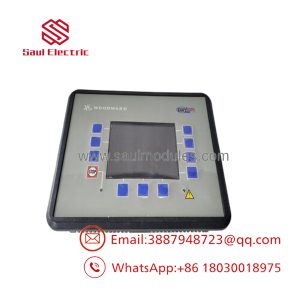
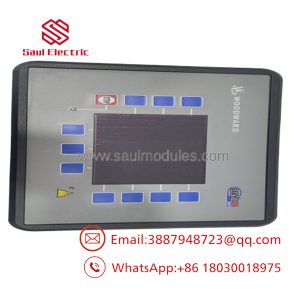

 Start Chat


