





Description
Product Introduction
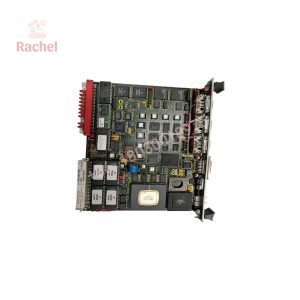
The Yaskawa CP-317/217IF is the serial communication module for the CP-317 compact machine controller and the wider CP-9200SH controller family. It’s the card that lets your controller talk to the outside world: HMIs, general-purpose sequencers, upstream supervisory systems, and other Yaskawa controllers across the rack’s communication circuits. OEMs of packaging machinery, machine tools, and processing lines specced it heavily in the 2000s.
Its practical value today is protocol reach. The 217IF module supports Yaskawa’s standard MEMOBUS protocol — the RS-232C/RS-485 master/slave protocol shared across MP920, CP-316, CP-317, CP-9200SH, and CP-3500H products — plus protocols like MELSEC for talking to Mitsubishi sequencers. Your ladder program just uses MSG-SND and MSG-RCV function blocks, and the module handles the framing. To be honest, when one of these dies, your machine still runs its local logic — but it goes deaf and mute to everything around it, which in a networked line is the same as being down. That’s usually the day we get the call.
Key Technical Specifications
| Parameter | Value |
|---|---|
| Module Type | Communication Module (217IF) |
| Assembly Number | JACP-317217; Yaskawa P/N 87317-2170 |
| Host Systems | CP-317, CP-9200SH series machine controllers |
| Primary Protocol | MEMOBUS (Yaskawa standard, RS-232C/RS-485 master/slave) |
| Additional Protocols | MELSEC (Mitsubishi computer link / type 1) and other selectable protocols |
| Programming Interface | MSG-SND and MSG-RCV instructions; 217IF transmission parameters configured per circuit |
| Circuits | Multiple transmission circuits supported; circuit tabs configured in engineering software |
| Data Model | Extended MEMOBUS register addressing (input relays, leading register numbers per host model) |
| Configuration Tool | MPE720 / CP-series engineering software, Transmission Parameters Window |
| Mounting | Controller rack slot installation |
| Country of Origin | Japan |
| Weight | Approx. 0.83 lbs (~0.38 kg) |
Verify protocol support, wiring pinout, and register addressing against the official 217IF user manual for your specific host controller before installation.
Application Scenarios & The “Trench” Experience
Here’s how it goes. The machine runs fine all morning. Around 10 AM, the operator notices the line HMI hasn’t updated a recipe value in an hour. Maintenance checks the HMI — fine. Checks the cable — fine. Then somebody notices the 217IF card in the CP-317 rack with its comm status LED either dark or solid-red. The machine’s local logic never stopped; it just lost its voice. Everything upstream now sees stale data, and the interlocks that depend on handshaking start tripping. Nobody stocked a spare, because “it’s just a comms card.” Famous last words — we hear them weekly.
- Packaging Machinery — OEM cartoner / filler data exchange — The 217IF carries recipe downloads and production counters between the CP-317 controller and the operator HMI or plant data system; losing it strands recipes and forces manual setup.
- Mixed-Vendor Lines — Yaskawa-to-Mitsubishi coordination — The MELSEC protocol support lets a CP-317 exchange registers directly with Mitsubishi sequencers on the line, using MSG-SND/MSG-RCV blocks without any converter box in between.
- Material Handling — Conveyor cell supervisory links — Extended MEMOBUS links between MP920 and CP-series controllers keep cell-to-cell handshakes alive; a failed 217IF severs that chain.
- Food & Beverage Processing — Batch reporting upstream — Serial transmission circuits forward production totals to plant-level data collection; the 217IF’s configurable per-circuit transmission parameters make multi-destination reporting straightforward.
Field case (fictionalized, plausible): A beverage plant’s labeling machine — CP-317 controlled — started dropping its shift-report uploads to the MES. The line kept labeling, but with no production data, the plant’s OEE reporting went dark and, more critically, the automatic changeover handoff from the filler stopped triggering. An MES-driven line stoppage was quoted at $11K per event. A tested 217IF module shipped the same day; the technician replaced the faulted card, reloaded the transmission parameters from the MPE720 project backup, and the handshakes restored within an hour of arrival. Total spend: under a thousand dollars. Compare that to a single missed changeover.
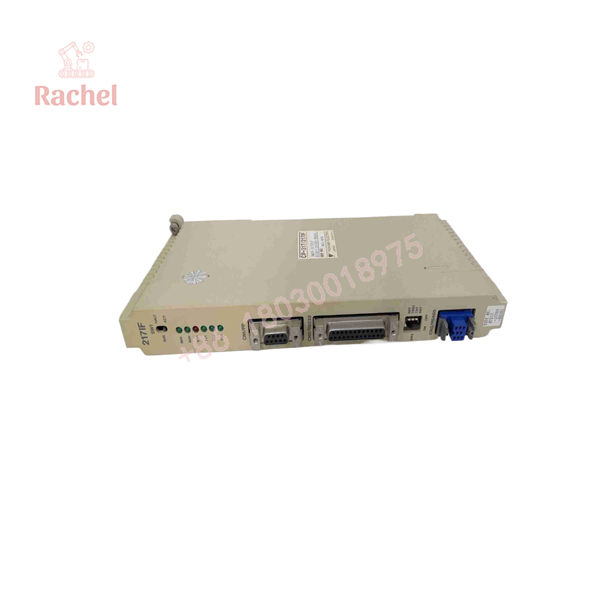
CP-317/217IF
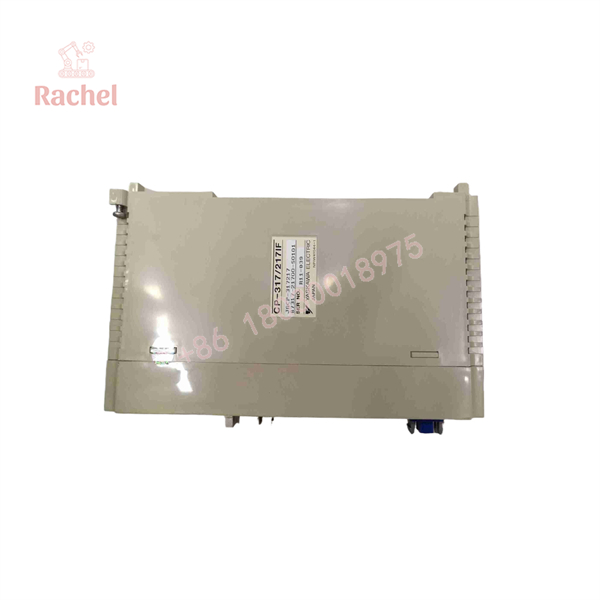
CP-317/217IF
Transparency SOP: Quality Assurance & Testing
We don’t just ship boxes; we test them on actual Yaskawa controller hardware.
- Inbound Inspection — Assembly number (JACP-317217) and board revision logged, OEM labels verified, anti-counterfeit screening against known-genuine reference units.
- Live Rig Testing — Full power-up in a CP-series controller rack, confirming the module registers on the internal bus and passes its self-test.
- Communication Verification — Live MEMOBUS transaction test: MSG-SND/MSG-RCV exercised against a real remote device to prove actual data exchange, not just a power-on LED.
- Electrical Parameter Checks — Backplane current draw measured under load; edge connector pin continuity and contact resistance verified before energization.
- Firmware Verification — Exact module firmware revision recorded and included in your shipment documentation.
- Final QC & Packaging — Gold-finger contacts cleaned and inspected, ESD-safe handling throughout, then sealed in anti-static packaging with foam protection.
The Veteran’s Tech Trap Guide
- ⚠️ Your transmission parameters live in the project, not the card — back them up. The 217IF’s circuit configurations (protocol, baud, station numbers, leading registers) are defined in the MPE720 project. But if nobody can find the project backup, you’re reverse-engineering comm settings from scratch — which on a tuned serial link can eat a full shift. Export the project and document the transmission parameters today. Trust me.
- ❗ Check the RS-232C/RS-485 wiring before condemning the card. Half the “dead 217IF” units we receive pass our full rig test. The real fault is often a crushed cable in a drag chain, a miswired D-sub at the HMI end, or a terminating resistor knocked off an RS-485 run. Take a photo of the terminal wiring before you pull the old card — you’ll thank yourself during reinstall.
- ⚠️ Watch your register offsets. Extended MEMOBUS leading-register numbers differ between host models (CP-316 vs. CP-317 vs. MP920). If a replacement install coincides with a project re-download, mismatched register mapping produces “working” comms delivering garbage data. Verify leading register settings against the 217IF manual’s data tables.
- ❗ Full power-down before seating the module. The CP-series rack is not hot-swap hardware. Inserting a module into a live backplane risks the card and the rack base board. Lockout, verify zero volts, then work. And ground yourself — a static hit on this card surfaces weeks later as intermittent comm dropouts, the worst fault to trace.
Frequently Asked Questions (FAQ for Conversion)
Q1: Is the CP-317/217IF hot-swappable?
No. This is a backplane module in a legacy rack — it is not hot-swap hardware. Pulling or seating it live can damage the module and the rack. Controlled power-down and lockout first. The swap itself takes ten minutes; do it right.
Q2: What protocols does the 217IF module actually support?
MEMOBUS — Yaskawa’s standard serial protocol — is the core, plus selectable protocols including MELSEC (Mitsubishi computer link type 1) and other general-purpose transmissions. Your ladder code uses MSG-SND and MSG-RCV with the protocol set in the 217IF transmission parameters. Confirm your specific protocol need with us before ordering.
Q3: Is it discontinued? Why can you still sell it?
Yes — Yaskawa retired the CP-317/CP-9200SH platform generations ago. Our stock comes from the global surplus market: decommissioned machines, cancelled OEM builds, and factory overstock. Every unit is tested on real controller hardware before shipping. This is our core business — keeping unsupported platforms alive.
Q4: Will a modern Yaskawa comms module work in its place?
Not as a drop-in. Current MP3000/MP5000-series modules use different racks, different engineering software, and different protocols. A migration means re-engineering the application, not swapping a card. If the machine has years of life left, plan the migration properly — but when the line is down now, a tested 217IF at a fraction of the cost is the pragmatic answer. We’ll give you an honest read on both paths.
Q5: Is this genuine or a clone? Why is it cheaper than OEM?
Genuine Yaskawa. We’re not an authorized distributor and don’t claim to be — we’re the independent surplus channel. Units come from overstock and decommissioned equipment, and we list condition honestly per unit: factory-sealed new surplus or tested pulls. Every one passes the same six-step test process with documentation.
Q6: Do I need to match firmware with my controller?
The module must be compatible with your host controller’s system program. We log the exact firmware/hardware revision of every unit in the shipment paperwork so your engineers can validate it against the machine’s build before install. Matched revisions are the safe rule on legacy racks.
Q7: What’s the warranty?
12 months from delivery covering functional failure under normal operating conditions. A fully tested replacement on a discontinued comms card is about as low-risk as industrial purchases get — especially compared to the hourly cost of a networked line that’s gone deaf.

 Start Chat


