





Description
Product Introduction
The Yaskawa CP-9200SH/SVA is the servo control module of the CP-9200SH integrated machine controller — a platform that merges sequence control and motion control in one rack. The SVA module receives commands from the CPU across the backplane and drives up to four servo axes externally, interfacing with Yaskawa’s servo drives (Sigma series and kin). You’ll find these buried in packaging machinery, machine tools, and synchronized multi-axis production lines built through the 2000s.
Its defining value is axis density with synchronization. Stack up to 11 SVA modules in a CP-9200SH rack and you get 44 fully coordinated servo axes running ladder and SFC logic out of the same controller — no separate motion controller bolted on the side, no handshaking between two brains. One thing to be honest about: this platform is long discontinued, and if you’re reading this, it’s almost certainly because a module faulted on a machine nobody budgeted to replace. That’s our specialty. Read on.
Key Technical Specifications
| Parameter | Value |
|---|---|
| Module Type | SVA Servo Control Module for CP-9200SH system |
| Control Axes | 4 axes per module |
| System Expansion | Up to 11 SVA modules → 44 axes per CP-9200SH system |
| Control Modes | Position, speed, torque, and differential (phase) control |
| Host Interface | Internal system bus to CP-9200SH CPU module |
| Servo Interface | External connection to Yaskawa servo drives (e.g., Sigma series) |
| Power | Supplied via CP-9200SH rack backplane |
| Programming | Ladder + SFC (Sequential Function Chart), motion instructions via CPU |
| Installation | CP-9200SH rack slot, modular design |
| Working Temperature | 0 °C to +55 °C |
| Relative Humidity | 5–95% RH, non-condensing |
| Dimensions / Weight | Approx. 51 x 254 x 114 mm, ~0.5 kg |
Verify servo drive compatibility, encoder wiring, and slot addressing against the CP-9200SH user manual and the OEM datasheet before installation.
Application Scenarios & The “Trench” Experience
It’s the third shift. A form-fill-seal machine faults out mid-run, and the maintenance tech finds one SVA module blinking a fault code that isn’t in the binder — the binder is for the newer line. The OEM integrator folded years ago, Yaskawa moved on to the MP3300/MP5000 series, and procurement discovers “CP-9200SH” draws a blank from every mainstream distributor. Meanwhile the line’s down and packaging is backing up into the warehouse. This is the single most common legacy-motion scenario we deal with.
- Packaging — Form-fill-seal and cartoning machines — Multi-axis synchronized motion (feed rolls, seal jaws, cutters) with tight electronic cam relationships is exactly what the SVA module’s differential control mode was built for.
- Machine Tools — Specialty grinding and transfer machines — Four coordinated axes per module keeps machine builders’ rack layouts compact; the integrated sequence-plus-motion architecture removes PLC-to-motion handshaking entirely.
- Material Handling — Gantry loaders and pick-place units — Positioning with torque limiting on 40+ axis systems (multiple SVA modules) for high-speed part transfer between machines.
- Textile / Converting — Multi-roll winding lines — Differential speed control between draw rolls demands precisely synchronized axes, and the CP-9200SH platform delivered this as a native function, not an add-on.
Field case (fictionalized, plausible): A contract packaging operation lost one SVA module in a 16-axis CP-9200SH-controlled cartoner. The line ran at 140 cartons a minute; downtime was worth roughly $6,500 an hour in unrecoverable throughput. Yaskawa’s channel offered a migration to a current motion platform — a five-figure project with six weeks of lead time and re-engineering. A tested new surplus CP-9200SH/SVA shipped overnight, slotted into the rack the next morning, and the machine’s axis parameters loaded from the backup with no re-commissioning. Line back up inside a shift. Migration quote: filed under “next year’s budget,” where it honestly belongs.
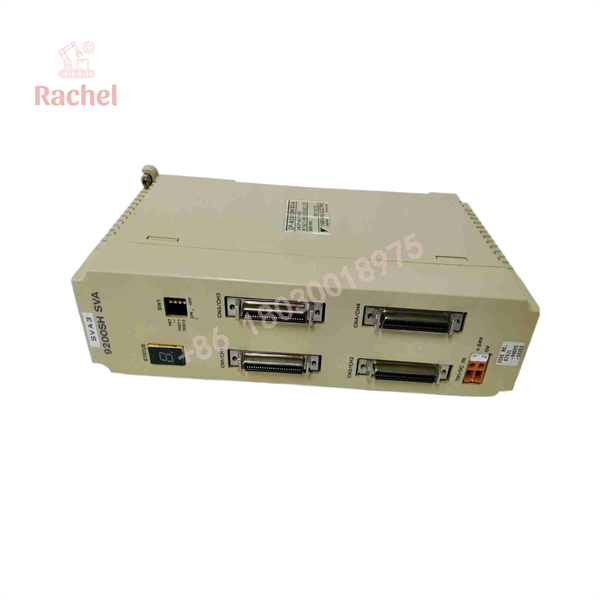
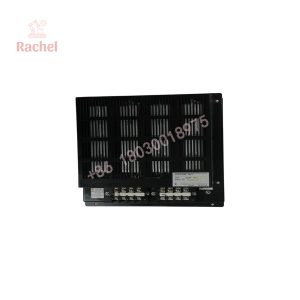
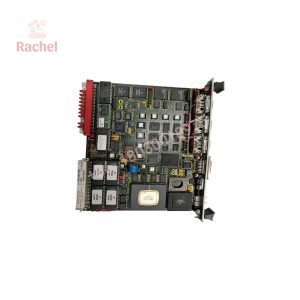
CP-9200SH/SVA
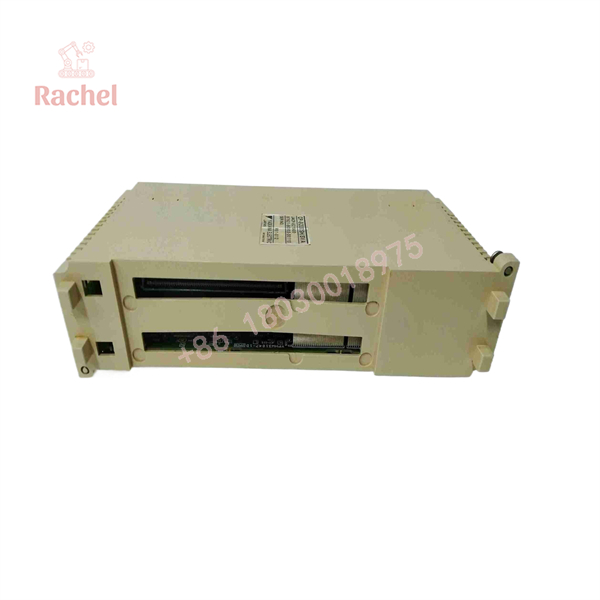
CP-9200SH/SVA
Transparency SOP: Quality Assurance & Testing
We don’t just ship boxes; we test them on actual motion control hardware.
- Inbound Inspection — Serial number and board revision logged, OEM labels and casing verified, anti-counterfeit screening including connector and PCB comparison against known-genuine units.
- Live Rig Testing — Full power-on self-test in a CP-9200SH rack, then a live backplane handshake with the CPU module to confirm the SVA registers on the internal bus and reports healthy status.
- Servo Loop Verification — Output signaling checked against a servo drive test fixture to confirm the module issues valid command data — not just that it powers up.
- Electrical Parameter Checks — Backplane supply current draw measured under load; edge connector contact resistance and pin continuity verified before any energization.
- Firmware Verification — Exact module firmware/hardware revision logged and included in the shipment documentation so your engineers can validate it against the machine’s existing build.
- Final QC & Packaging — Gold-finger contacts inspected and cleaned, full ESD-safe handling, then anti-static bag with foam protection for transit.
The Veteran’s Tech Trap Guide
- ⚠️ Back up your axis parameters BEFORE the system fails — and before you swap anything. SVA modules carry axis configuration that lives in the controller, but tuning parameters and mechanical setup values are machine documentation gold. If the old module died and nobody has the parameter backup, you’re re-commissioning motion axes from scratch with a crimped deadline. Export the backup this week. Trust me.
- ❗ Slot addressing matters. SVA modules are slot-addressed in the rack. Install the replacement in the same slot as the failed module, or the CPU’s I/O and axis assignments won’t line up. Take a photo of the rack layout and slot numbers before you pull the old card.
- ⚠️ Never seat or pull an SVA module with the rack powered. This is not a hot-swap platform. Backplane-inserting a powered module can damage both the module and the rack’s base board. Full controlled power-down, LOTO, then work.
- ❗ Check the servo drive side before condemning the module. A “faulted SVA” is regularly a failing servo drive, a chafed encoder cable, or a loose feedback connector downstream. Roughly half the modules sent to us as “failed” pass our full rig test. Diagnose the loop before you buy a part you may not need — we’ll tell you honestly if your old module is actually the problem.
Frequently Asked Questions (FAQ for Conversion)
Q1: Is the CP-9200SH/SVA hot-swappable?
No. Absolutely not. This is a powered backplane module in a legacy rack. Inserting or pulling it live risks damage to the module and the rack base. Full power-down, lockout, then swap. It’s a 15-minute job done right.
Q2: Is it discontinued? How do I still get one?
Yes — Yaskawa discontinued the CP-9200SH platform years ago in favor of the MP3000/MP5000 motion controller generations. We stock genuine SVA modules from global surplus: cancelled machine builds, decommissioned production lines, and OEM overstock. Every unit is rig-tested on real CP-9200SH hardware before shipping.
Q3: Can I just migrate to a modern Yaskawa motion controller instead?
Eventually, yes — and honestly, for a machine with years of life left, an MP5000-class migration is worth planning. But it’s a re-engineering project, not a swap: new drives or interfaces, new programming environment, re-commissioning. When the line is down today, a tested SVA module for a fraction of the cost buys you the time to do the migration on your schedule, not the failure’s.
Q4: Does the module’s firmware revision need to match my CPU or other SVA modules?
It must be compatible with your CPU module’s system program. In practice, matched revisions within a rack are the safe rule. We log the exact hardware and firmware revision of every unit we ship, in writing, so your engineers can confirm against the machine’s build sheet before the part ever leaves our dock.
Q5: Why is your price lower than OEM channels — is this refurbished or fake?
It’s genuine Yaskawa, sourced through the global surplus market. We list condition honestly per unit — factory-sealed new surplus or tested pulls — and all of them pass the same six-step test process. We’re not an authorized distributor and we don’t pretend otherwise; we’re the legacy spare-parts channel that keeps unsupported machines running.
Q6: What warranty do I get?
12 months from delivery covering functional failure under normal operating conditions. Given these modules typically ran for decades in service, a fully tested unit with a year of coverage is a low-risk spend — especially against the hourly cost of the line it’s keeping alive.
Q7: My machine is down and I need this yesterday. How fast can you ship?
Stocked units ship the same day on orders confirmed before our afternoon cutoff, with overnight and international expedited options available. When a legacy line is down, we know speed is the whole point — that’s why we hold this inventory at all.

 Start Chat


