





Description
Product Introduction & Engineering Value
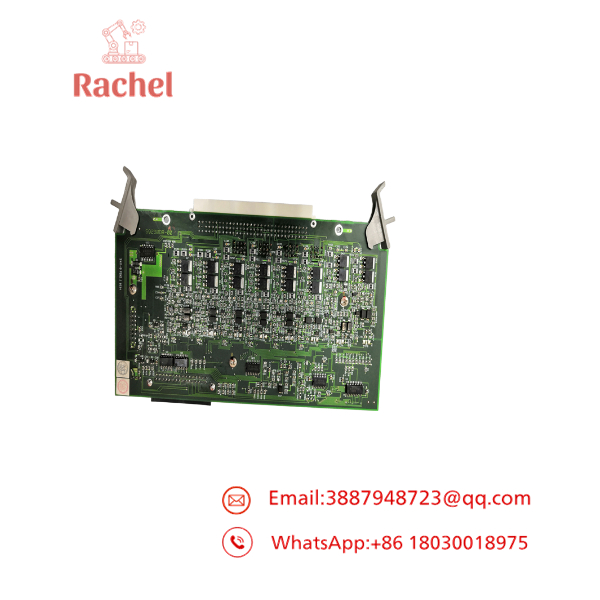
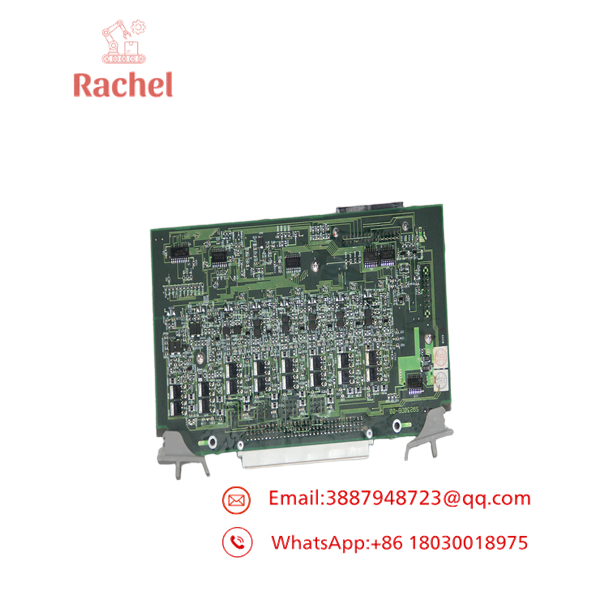
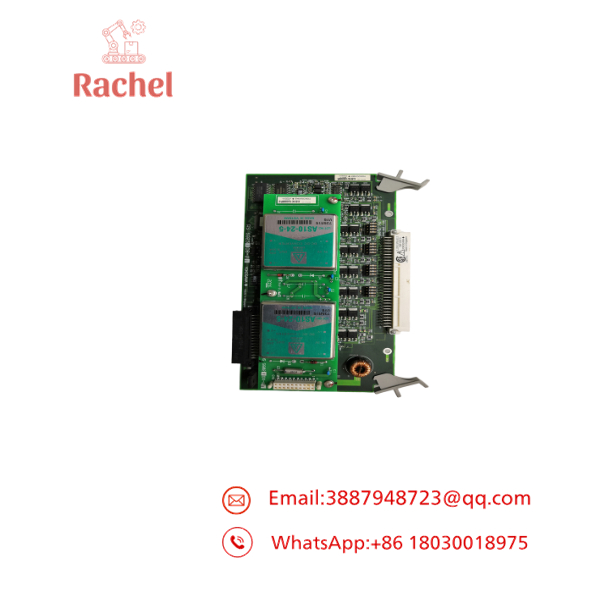
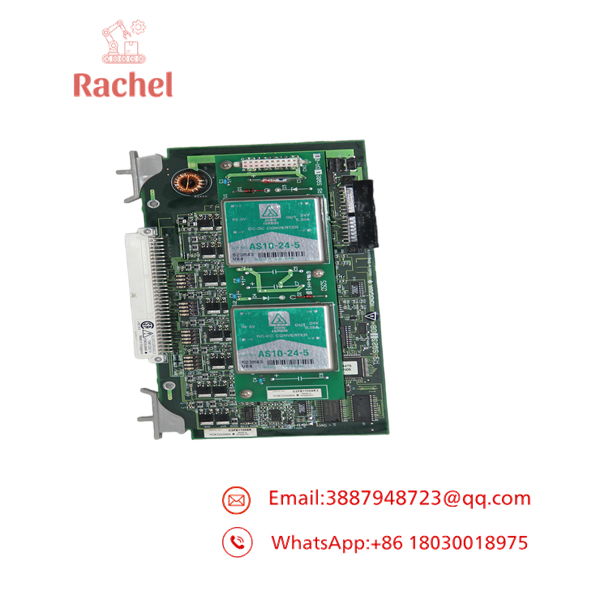
The AMM42 is a legacy Yokogawa DCS I/O component intended for applications where existing field instrumentation must remain connected to an established control-system architecture. It is particularly relevant when a plant needs to replace a failed card without undertaking a larger migration project.
That distinction matters. A physically similar analog module is not necessarily an electrical or system-level substitute. Before ordering, engineers should verify the exact CENTUM generation, I/O configuration, associated terminal hardware, and existing transmitter wiring.
Technical Specifications
Manufacturer: Yokogawa Electric Corporation
Model: AMM42
Module category: 2-wire transmitter input multiplexer
Signal interface: 2-wire transmitter circuits
Primary application: DCS analog field-signal acquisition
System environment: Legacy Yokogawa CENTUM installations
Signal handling: Multiplexed transmitter input architecture
Installation: DCS I/O/rack or card-cage environment, depending on the host system
Field instrumentation: Intended for transmitter-based process measurements
Typical signals: Process-variable transmitter loops; exact supported signal characteristics should be confirmed against the applicable Yokogawa documentation.
Lifecycle position: Legacy/obsolete-system spare-part category
Replacement strategy: Like-for-like replacement should be based on the complete module identification and host-system configuration.
One caution: online references disagree on some detailed AMM42 electrical specifications. One supplier describes it specifically as a 2-wire transmitter input multiplexer, while another gives broader analog I/O characteristics. Those conflicting secondary specifications should not be treated as authoritative without the original Yokogawa documentation for the applicable revision.
Field Application & the “Trench” Experience
A chemical processing facility had an aging CENTUM installation controlling a section of continuous process equipment. One AMM42 card began producing intermittent instrument-value abnormalities. The control strategy itself was functioning, but losing reliable transmitter data created nuisance alarms and forced operators to cross-check field instruments manually.
Rather than modifying the DCS architecture during production, the maintenance team isolated the affected I/O channel, documented the existing wiring, confirmed the AMM42 identification, and installed a matching spare during a planned maintenance window. The important lesson was simple: legacy I/O replacement is usually a configuration-control problem before it is a wiring problem.
Niche applications include:
- Process transmitter acquisition for temperature, pressure, flow, and level measurement loops.
- Legacy CENTUM process-control cabinets where migration to newer I/O has been deferred.
- Continuous chemical-process instrumentation where an individual failed I/O module must be replaced without redesigning the control strategy.
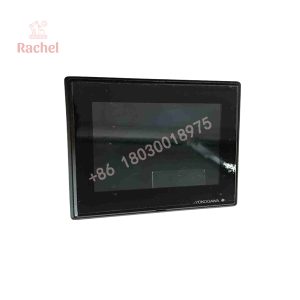
AMM42
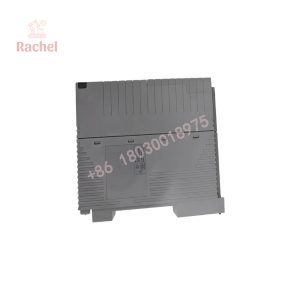
AMM42
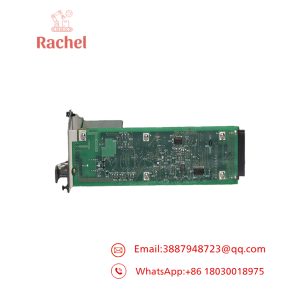
AMM42
Transparency SOP: QA & Testing
For New Surplus or Refurbished AMM42 inventory, a meaningful inspection should include:
- Identity verification — Confirm AMM42 marking, nameplate information, revision, and physical configuration.
- Physical inspection — Check PCB condition, connectors, terminals, mounting hardware, and signs of corrosion or previous repair.
- Electrical inspection — Check for abnormal resistance, damaged components, contamination, and visible thermal stress.
- Functional verification — Where suitable Yokogawa test equipment is available, verify module operation in the applicable host-system environment.
- Final documentation — Record serial/identification information and condition before shipment.
For an obsolete DCS module, “powers on” is not enough. Functional compatibility with the installed system is the real acceptance criterion.
The Veteran’s Tech Trap Guide
⚠️ Do not substitute by appearance.
Legacy Yokogawa modules can look similar while belonging to different I/O architectures. Match the complete model designation and host system.
⚠️ Verify the transmitter loop before energizing.
A replacement card should not be connected blindly to an undocumented field circuit. Confirm loop wiring and signal requirements against the plant’s drawings.
PRO TIP: Photograph the existing module, terminal connections, rack position, and identification label before removing it. That five-minute exercise can prevent hours of troubleshooting after installation.
⚠️ Watch the system generation.
AMM42 references found online are associated with legacy CENTUM installations, and secondary sources do not consistently agree on every technical parameter. Confirm the exact system documentation before treating a catalog specification as interchangeable.
Dynamic FAQ
Q1. What is the Yokogawa AMM42 used for?
The AMM42 is identified as a 2-wire transmitter input multiplexer module used in Yokogawa legacy DCS environments.
Q2. Is AMM42 a current-generation Yokogawa module?
It is generally encountered as a legacy spare-part requirement rather than a current-generation FIO component. It is therefore more relevant to maintaining existing installations than designing a new DCS.
Q3. Can I replace AMM42 with any Yokogawa analog input module?
No. The replacement must match the host DCS architecture, field interface, signal configuration, and applicable hardware revision.
Q4. What information should I provide when ordering an AMM42?
Provide the complete model number, nameplate information, revision if present, host Yokogawa system, and photographs of the installed module. This greatly reduces the chance of receiving an electrically incorrect substitute.
Q5. How should New Surplus AMM42 stock be verified?
Check the OEM identification label, physical condition, connectors, revision information, and—where practical—functional operation in an appropriate test environment. “New Surplus” should mean unused original inventory, not simply a cleaned or relabeled used card.
Q6. What warranty should I expect?
Warranty terms depend on the supplier and whether the unit is New Surplus or Refurbished. The commercial warranty should be confirmed in writing before purchase, including coverage for DOA conditions and functional failure.

 Start Chat


