





Description
Key Technical Specifications
| Parameter | Value |
|---|---|
| Manufacturer | ABB |
| Part Number | 3BHE009017R0102 |
| Alternate Identifier | XVC724BE102 |
| Board Type | VLSCD board, coated XV |
| Function | Voltage level short circuit detection |
| Application | ABB drive / excitation control systems |
| Construction | PCB circuit board |
| Coating | Coated for harsh-environment protection |
| Supply Positioning | Spare / replacement part |
| Warranty Expectation | Common market offering shows 1-year warranty |
Product Introduction & Supply Chain Strategy
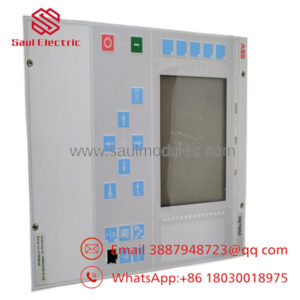
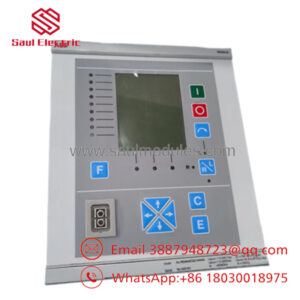
ABB 3BHE009017R0102 is a VLSCD protection board used in ABB drive and excitation-control applications. It detects voltage-level short circuit conditions and supports fault protection in high-power control cabinets.
Buying this as New Surplus makes sense when uptime matters more than unit price. It reduces TCO by avoiding the hidden failure risk of questionable condition parts, while also protecting against stock-outs on an older control board with limited supply depth.
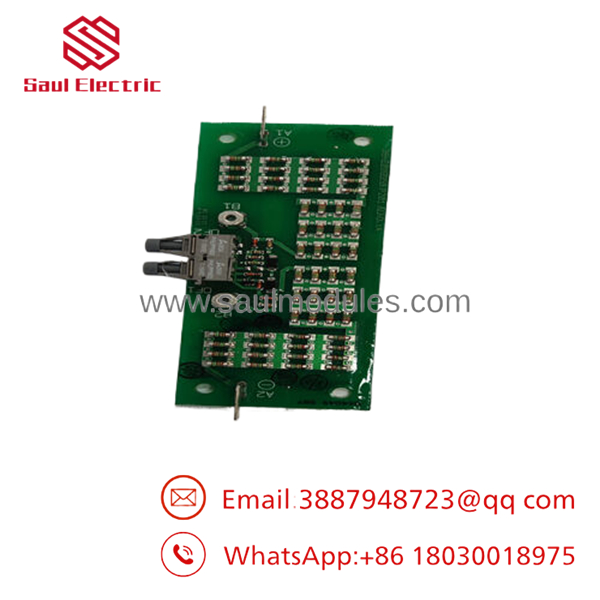
- 3BHE009017R0102
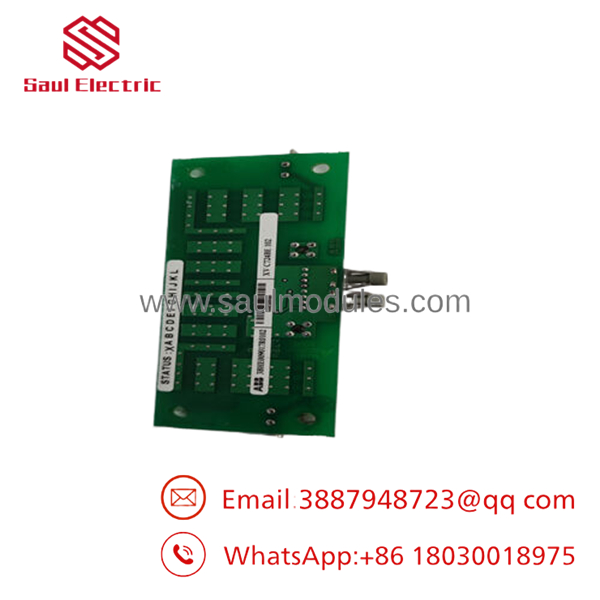
- 3BHE009017R0102
Installation & Configuration Guide
Stage 1: Pre-Installation
- Perform lock-out/tag-out on the panel and verify zero energy.
- Use an ESD wrist strap and antistatic mat.
- Photograph the existing board, connector orientation, and any DIP or jumper settings.
- Confirm the exact part number before handling the replacement.
Stage 2: Removal
- Disconnect control power and wait for DC bus discharge.
- Release retaining hardware before pulling the board.
- Extract the module straight out to avoid bending backplane pins.
- Inspect the slot for dust, corrosion, or damaged contacts.
Stage 3: Installation
- Match the replacement board to the original part number and revision.
- Copy any DIP or jumper settings exactly from the removed unit.
- Seat the module evenly in the backplane or mounting slot.
- Tighten retainers only after full insertion is confirmed.
Stage 4: Power-On & Testing
- Verify 24 V rails for shorts before energizing.
- Power up and check status LEDs; compare RUN and ERR indications against the original unit.
- Confirm that the controller clears faults and communicates normally.
- Reload logic or parameter data only if the system requires it.
Firmware/Software Versions & Upgrade Notes
ABB did not publish a widely accessible firmware reference for 3BHE009017R0102 in the sources reviewed, so the safest practice is to keep the replacement on the same firmware family as the removed board.
Do not upgrade or downgrade firmware during a hardware swap unless the control system documentation explicitly calls for it, because version mismatch can trigger communication faults, diagnostic alarms, or startup refusal.
If the original board ran with site-specific configuration data, record that before removal and clone it exactly onto the replacement.
Frequently Asked Questions (FAQ)
Is this really new? Yes. Market listings for this part describe it as new and original or original package, which is the right target condition for critical spares.
Why is it cheaper than OEM new but more expensive than a refurb-style offer? New Surplus usually sits between OEM list pricing and lower-trust inventory because it preserves genuine OEM condition while avoiding full distributor markup.
Is this part obsolete or EOL? The part appears in spare-parts channels rather than active product marketing, so treat it as an EOL-sensitive stocking item and keep buffer stock on site.
Can I hot-swap it? Do not assume hot-swap capability. Isolate power first, verify discharge, and follow the original ABB replacement procedure for the cabinet.
Will my programming or configuration be retained? The board itself is a hardware spare, so configuration retention depends on the parent system and controller memory, not the board alone. Photograph settings and back up parameters before removal.
What warranty should I expect? Public market listings commonly show a 1-year warranty, though actual terms depend on the supplier.
How should I stock it? For a critical spare like this, keep 1 unit on site and define a last-time-buy plan before supply thins further.

 Start Chat


