





Description
Product Introduction & Engineering Value
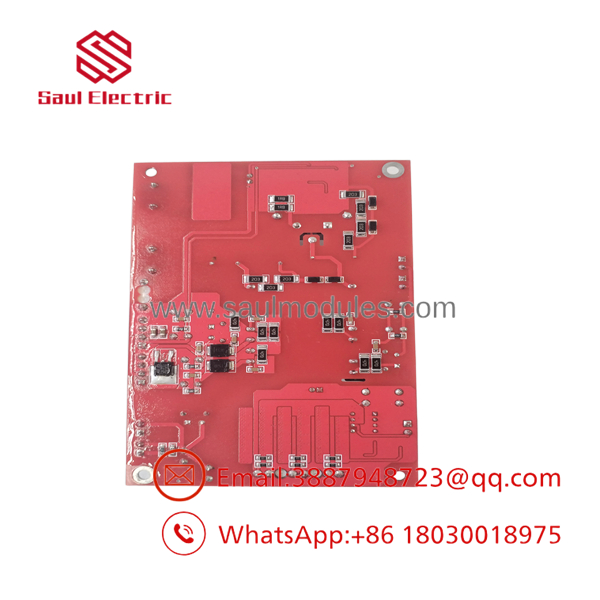
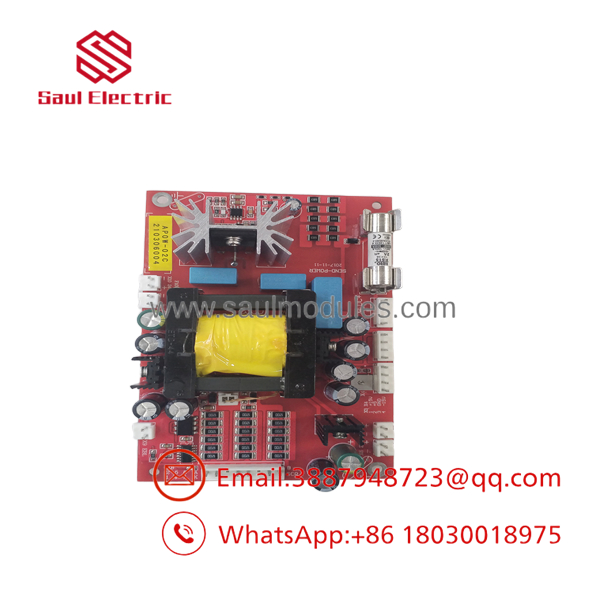
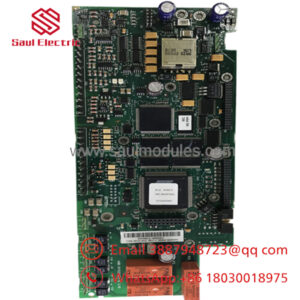
In my twenty years servicing variable frequency drives, I’ve learned that when an ACS800 drive completely dies and won’t illuminate its keypad, the APOW-02C board is almost always the culprit. This auxiliary power card acts as the central heart for the control stack, stepping down raw power to supply the steady 24 VDC rail that keeps the main control (RMIO) and interface (AINT) boards alive.
Because it operates continuously in harsh drive enclosures, the APOW-02C is built with industrial-grade filtering and standard G3 conformal coating to resist corrosive atmospheric contaminants. Installing a functional APOW-02C instantly restores internal logic power, saving plant engineers from prematurely condemning expensive inverter modules.
Technical Specifications
- Module Class: Internal Auxiliary Switched-Mode Power Supply Card
- Target Equipment: ABB ACS800-04 drive modules, single drives, and MultiDrive inverter units
- Primary Voltage Output: +24 VDC (regulated, powering RMIO/AINT control electronics)
- Cooling Requirement: Convection cooled via drive frame forced air circulation
- Power Distribution: Direct multi-pin backplane connector interface
- Circuit Protection: Integrated over-current and thermal shutdown protection
- Environmental Resistance: Class G3 conformal coating (ISA-S71.04) for airborne chemical protection
- Mounting Style: Internal chassis slide-in board slot with quick-release locking tabs
Field Application & The “Trench” Experience
During an unannounced trip at a paper mill’s main winder drive section, an ACS800 frame R8 inverter unit dropped out entirely—no fault code on the panel, no status LEDs, total black-out. The shift electrician suspected a destroyed main IGBT stack and prepped for a six-hour drive swap.
Our drive technician pulled the control housing cover and checked the 24 VDC test points on the backplane. Reading 0 VDC despite normal incoming power, he identified a failed high-voltage input resistor on the APOW-02C power supply board. After double-checking the downstream AINT-02C board for short circuits, he slotted in a fresh APOW-02C unit. Within twenty minutes, the ACS800 booted up, passed self-diagnostics, and put the paper line back in production—saving thousands in unnecessary hardware replacements.
Specific Niche Applications
- Paper Machine Sectional Drive Controls: Supplying uninterrupted logic power to RMIO control units during rapid load swings.
- Centrifugal Water Pump VFD Cabinets: Operating reliably inside unconditioned outdoor drive shelters under high humidity.
- Metal Rolling Mill MultiDrive Systems: Distributing auxiliary power across shared DC bus inverter lineups.
- APOW-02C
Transparency SOP: QA & Testing
- Initial Physical Inspection: Every incoming undergoes high-magnification visual inspection to check for swollen electrolytic capacitors, heat-stressed power transistors, or damaged backplane pin connectors.
- Backplane Resistance Screening: Prior to energizing, technician meters measure resistance across the +24V rails and ground to verify zero short circuits on internal traces.
- Live ACS800 Bench Testing: The board is mounted into a dedicated ACS800-04 test frame and powered up.
- Full Control Load Simulation: We attach fully loaded RMIO and AINT control cards to the power bus, monitoring output voltage stability under full thermal operating load using a calibrated digital multimeter.
- ESD Cleaning & Protective Packaging: After clearing full load validation, boards are cleaned in an anti-static bath and vacuum-sealed in anti-static ESD bags for storage.
The Veteran’s Tech Trap Guide
⚠️ TRAP 1: Replacing Without Checking Downstream Shorts
Never install a new without first measuring the 24V bus resistance on the AINT interface card. If an IGBT driver board or AINT card has a shorted ceramic capacitor, the new will instantly fry its own output switching transistor the moment you apply power.
PRO TIP: Backplane Pin Alignment Matters
The multi-pin connector on the rear of the slides directly into the drive chassis backplane. If you force the card in at an angle, you will bend the backplane pins. Always align the card guides carefully and slide it straight back until the locking clips snap into place.
⚠️ TRAP 2: Confusing APOW-01C and Revisions
While the older APOW-01C and serve similar functions in frames, component layout and rating revisions exist. Always double-check your drive’s hardware manual to confirm exact revision compatibility before swapping boards.
Dynamic FAQ
Q: Why is my drive completely dark with no LED activity on the keypad?
A: When the drive display and status LEDs show no sign of power while incoming line voltage is present, the auxiliary power supply card has usually failed, cutting off the 24 VDC logic rail.
Q: Do I need to program or flash firmware onto a replacement board?
A: No. The is a pure hardware power supply module. Once physically seated and connected, it automatically provides power without requiring firmware downloads or parameters.
Q: Can an unstable board cause intermittent drive faulting?
A: Yes. If the filter capacitors on an aging begin to dry out, voltage ripple on the 24 VDC rail increases. This causes ghost communication faults, processor resets, or false overcurrent trips on the RMIO board.
Q: What warranty coverage applies to your surplus units?
A: Every supplied includes a full 1-Year Advanced Replacement Warranty. If a module fails during routine operation within 12 months, we cross-ship a replacement card immediately.
Q: Is field component repair recommended for a failed board?
A: We strongly advise against soldering individual components on these boards in the field. Given the high component density and critical nature of drive control power, swapping in a factory-tested replacement card is the only safe way to guarantee drive stability.

 Start Chat


