





Description
Product Introduction
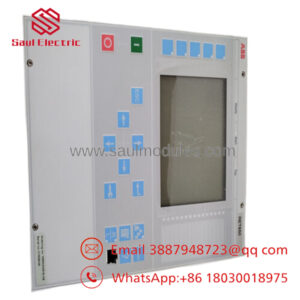
The ABB CP450C is a 7-inch widescreen TFT control panel built to sit next to AC500 and AC500-eCo CPUs on machine and skid controls. Plants use it as the local operator interface for starting pumps, setting batch parameters, and tripping through alarm screens. It pairs with the AC500 engineering environment, so tags map without a third-party OPC layer.
What separates the CP450C from the smaller CP400 series is the 800×480 widescreen real estate and Ethernet-based Modbus TCP connectivity alongside serial Modbus RTU. That matters on a crowded control door. You get more objects per screen without scrolling, and one Ethernet run back to a PM554 or PM564 CPU replaces point-to-point serial cabling. To be honest, it is not a SCADA-grade panel — it’s a workhorse local HMI, and it does that job well.
Key Technical Specifications
| Parameter | Value |
|---|---|
| Display | 7″ TFT, 800 x 480 widescreen |
| Touch Technology | Resistive analog touch |
| Supply Voltage | 24 VDC (verify ripple tolerance on OEM datasheet) |
| Ethernet | 1 x 10/100 Mbit/s port, Modbus TCP |
| Serial Interface | RS232 / RS485, Modbus RTU (master or slave) |
| Supported PLCs | ABB AC500, AC500-eCo; generic Modbus devices |
| Configuration | ABB Automation Builder / CP450 engineering tool, Windows PC via USB |
| USB Port | 1 x USB device port (download + backup) |
| Memory | Flash for project + retentive data (size project-dependent) |
| Mounting | Panel cutout, IP65 front face (gasket condition matters — see Section 7) |
| Operating Temperature | 0 °C to +50 °C typical, horizontal mount |
| Certifications | CE, UL — verify current revision on the nameplate |
Application Scenarios & The “Trench” Experience
It’s 6:40 PM on a Friday. The batching line’s panel goes dark — backlight dead, touchscreen dead, and the operator is running the process off a clipboard and a flashlight. Every minute that line sits waiting on an HMI costs you finished goods, and the OEM quotes a two-week lead on the replacement. We’ve lived that call. It’s why we stock panels like the CP450C.
- Water & Wastewater — Remote lift station control — The CP450C gives operators local pump status and HOA switching while the AC500-eCo handles the logic, no SCADA license needed at the wellhead.
- Food & Beverage — CIP skid interface — Wash-resistant plants need a compact IP65-rated front panel; the 7″ widescreen fits standard cutouts on skid doors and survives hose-down areas.
- Material Handling — Conveyor zone control — Modbus TCP lets one panel poll several AC500 CPUs on a shared switch, which saves mounting a panel per conveyor segment.
- OEM Machine Building — Packaging machine HMI — Machine builders standardize on the CP450 series because project files port between CP450C panels during service swaps.
- Power Distribution — Generator set / switchgear local control — Resistive touch works with gloves, something capacitive panels choke on in switchgear rooms.
Field case (fictionalized, plausible): A regional bottling OEM had a filler line down six hours when a CP450 panel failed mid-shift. Lost throughput ran roughly $9,000/hr, plus overtime. A new surplus CP450C shipped same day, arrived next morning, the technician restored the project from a USB backup file in under an hour, and the line was running by 10 AM. Total downtime: 18 hours instead of the two-plus weeks an OEM backorder would have cost. That’s the whole argument for keeping a spare on the shelf.
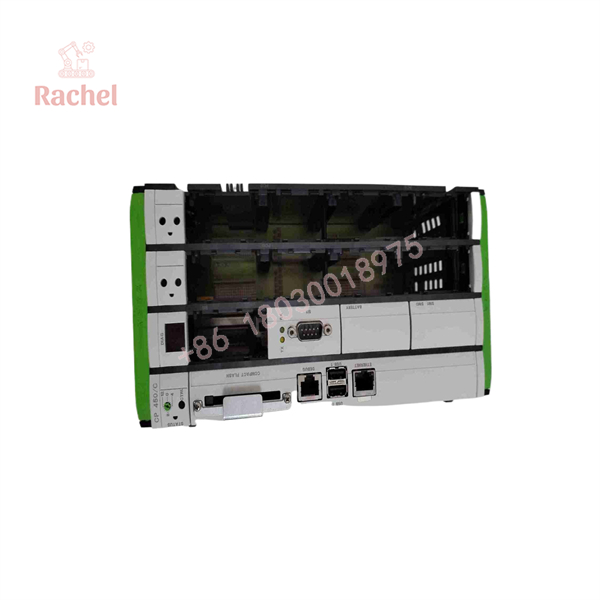
CP450C
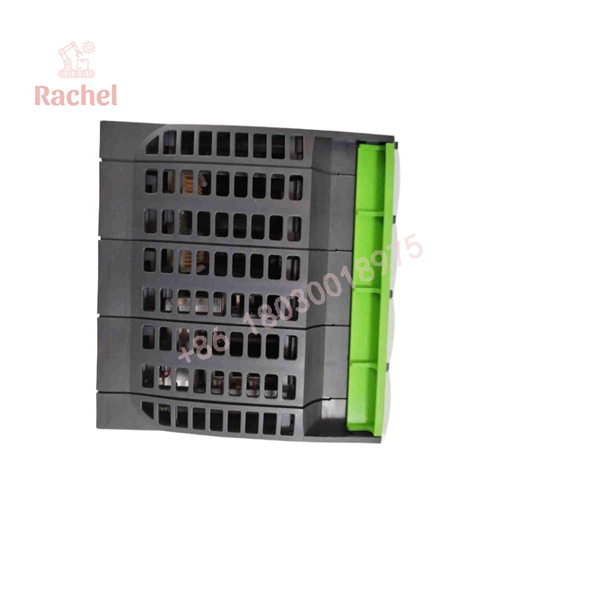
CP450C
Transparency SOP: Quality Assurance & Testing
We don’t just ship boxes; we test them on actual ABB hardware.
- Inbound Inspection — Serial number checked against ABB records, OEM seal and label verification, anti-counterfeit screening (font, hologram, and casing mold inspection).
- Live Rig Testing — Full power-on self-test on a 24 VDC bench supply, then a live Modbus RTU handshake against an AC500 CPU to confirm register read/write.
- Electrical Parameter Checks — Supply current draw measured at 24 VDC nominal and at tolerance limits; input checked for shorts or leakage before power-up.
- Firmware Verification — Exact firmware revision logged and recorded in the shipment paperwork so you know what’s arriving before it hits your dock.
- Final QC & Packaging — Touch calibration verified across all screen quadrants, gasket inspected for compression set, then shipped in an anti-static bag with foam protection.
The Veteran’s Tech Trap Guide
- ⚠️ Back up the project BEFORE the old panel dies. The CP450C doesn’t magically inherit a project from a failed unit. If nobody saved a USB backup, you’re rebuilding screens from a printout. Make a USB backup today. Trust me on this one.
- ❗ Cutout and gasket compatibility. The CP450C fits a standard 7″ cutout, but if you’re replacing a CP400 or a competitor panel, the mounting clips and gasket profile differ. Measure the cutout. Verify exact dimensions with the OEM datasheet before installation.
- ⚠️ Modbus addressing discipline. AC500 registers accessed via Modbus TCP use an offset convention that trips people up every single time. Slave ID, register offset, and byte order all need to match what the CPU project expects, or you’ll chase “communication fault” for hours when the panel itself is fine.
- ❗ ESD and the touch controller. The ribbon cable behind the front face is static-sensitive. Ground yourself before handling the connector during a swap. I’ve seen a good panel killed by a wool sweater and a dry January morning.
Frequently Asked Questions (FAQ for Conversion)
Q1: Can I swap this panel live while the line is running?
Not recommended. The CP450C isn’t a backplane device, so pulling it won’t hurt the PLC — but the process is blind while it’s offline. Plan your swap during a break in production.
Q2: Do I need to flash firmware to match my AC500 CPU?
No flashing required for basic Modbus operation. But if your site standardized on a specific panel firmware rev, tell us — we log the exact revision before shipping so you can confirm it matches your validation records.
Q3: What’s the difference between the CP450C and the CP600 series?
The CP600 panels are the higher tier — bigger displays, more connectivity options, and they’re what ABB is actively developing. The CP450C is the economical local HMI. If you need one screen next to the machine, the CP450C does the job for less. If you’re building a multi-panel architecture, look at CP600.
Q4: Is this panel compatible with AC500-eCo CPUs like the PM554?
Yes. The CP450C talks Modbus TCP over Ethernet or Modbus RTU over serial to AC500, AC500-eCo, and any third-party device that speaks Modbus. Confirm your CPU’s communication module configuration before commissioning.
Q5: Why is your price lower than buying direct from ABB?
We source globally — surplus inventory from OEM overbuilds, cancelled projects, and factory-sealed stock sitting in distributor warehouses. Nothing is grey-market counterfeit. Every unit passes our five-step QC process, and you get 12 months of warranty coverage on it.
Q6: Is this refurbished or new?
This listing is new surplus — factory sealed, never installed. If we ever offer refurbished CP450C units, they’ll be listed as such with the same test documentation. We don’t blur that line, because your maintenance records depend on it.
Q7: What’s the warranty?
12 months from delivery, covering functional failure under normal operating conditions. Given that these panels routinely run 8–10 years in service, that’s not a risky promise on our end.

 Start Chat


