





Description
Key Technical Specifications
- Product Type: Counter board / pulse input module.
- Model Designation: DSDP140B.
- Order Number: 57160001-ACX.
- Supply Voltage: 24 V DC.
- Function: Pulse signal input and counting.
- Application: Speed, flow, distance, and position measurement.
- Form Factor: Board-level industrial control module.
- Net Weight: 0.44 kg.
- Dimensions: 350 mm depth, 255 mm width, 20 mm height.
- Compliance Note: RoHS-exempt per ABB documentation reference.
- System Role: ABB control system accessory / I/O module.
Product Introduction
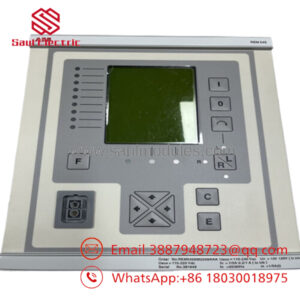
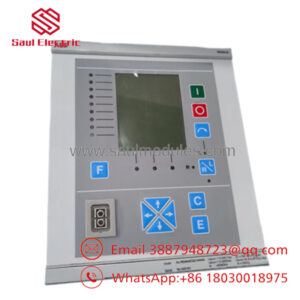
The ABB DSDP140B is a counter board used in industrial control systems to count pulse signals and convert them into usable measurement data. ABB identifies it as order number 57160001-ACX, and it is used for process tasks such as position, flow, distance, and speed monitoring.
This is a legacy ABB spare, so the real value is compatibility with the installed system rather than modern feature sets. In field work, the important checks are the exact system family, board revision, and matching kit requirements before you install a replacement.
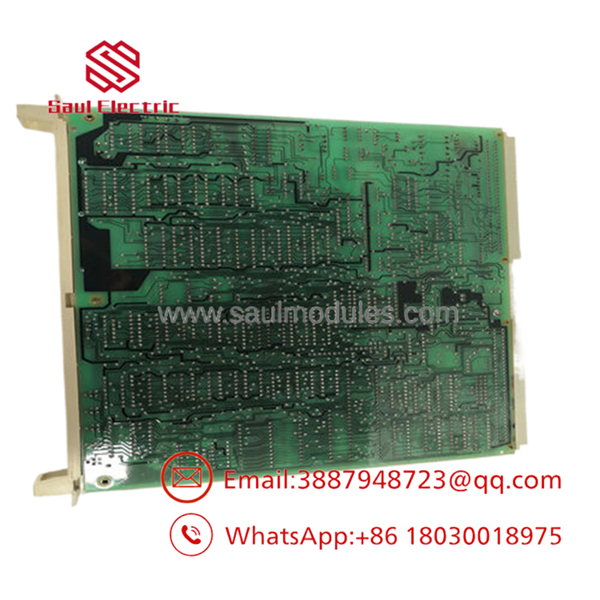
- DSDP140B
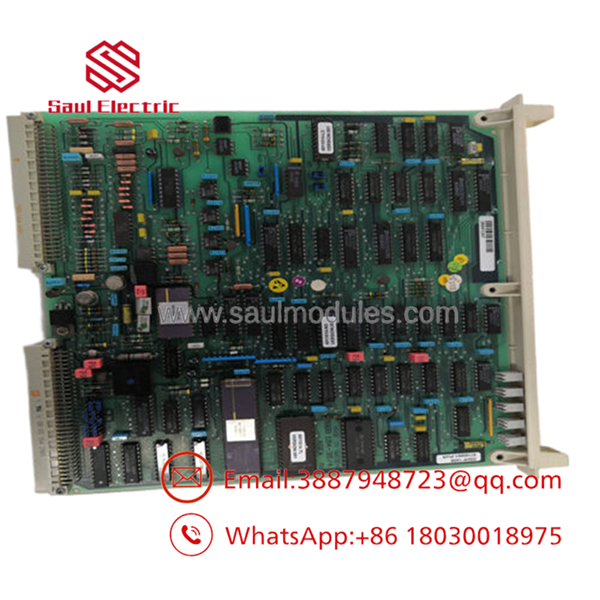
- DSDP140B
Installation & Configuration Guide
Stage 1: Pre-Installation Preparation
Time estimate: 5-8 minutes.
- ⚠️ Safety First: Notify operations of downtime, verify safe state, lock out/tag out power, and wait at least 5 minutes for capacitor discharge.
- Gather tools: ESD strap, PH1 screwdriver, multimeter, wire labels, and a smartphone for photos.
- Back up the control configuration, document pulse source wiring, and photograph the board orientation, connectors, and any jumpers or switches.
- Verify the replacement board is the exact DSDP140B / 57160001-ACX version before opening the package.
Stage 2: Removing the Old Module
Time estimate: 5 minutes.
- Remove the cover or access panel.
- Label and disconnect the pulse input wiring carefully; do not force connectors.
- Release the module from the rack or mounting base and pull it straight out.
- Inspect the connectors, rack, and wiring for heat damage, dust, corrosion, or bent pins.
- ⚠️ Note: Keep the old module until the replacement is fully commissioned.
Stage 3: Installing the New Module
Time estimate: 8-10 minutes.
- Put on the ESD strap and confirm the model and order number match the removed unit.
- Configuration clone is critical: copy the exact wiring layout, input channel assignment, and any hardware settings from the old-board photos.
- Seat the module fully in the rack or base until locked.
- Reconnect all pulse and signal wiring using the original labels and routing.
- Check the self-list: [] settings match, [] wiring secured, [] module seated, [] lock engaged.
Stage 4: Power-On & Testing
Time estimate: 8-12 minutes.
- Pre-power check: use a multimeter to confirm there are no shorts and that the input source voltage is correct.
- Power up the controller and I/O system first, not the field devices.
- Verify the board status indicators if present.
- Confirm the controller recognizes the module and the pulse count changes with a known test signal.
- Run a point-by-point functional test for the intended measurement channel.
- ⚠️ Troubleshooting Note: If counts are unstable or missing, check input polarity, sensor supply, connector seating, and board compatibility before assuming module failure.
Frequently Asked Questions
Can this module be hot-swapped under power?
No. Treat it as a powered-down replacement unless the exact ABB documentation says otherwise. With older control hardware, live removal is how you create extra downtime.
Is the DSDP140B obsolete?
Yes, it is a legacy ABB spare with limited stock availability. In practice, that means surplus or refurbished units are the normal buying path.
What is the direct replacement if this module is unavailable?
There is no safe generic substitute. The replacement has to match the same ABB system family, signal type, and wiring/connector arrangement. Verify that before buying.
Will I lose my programming when I replace the module?
Usually no, because this is a counting module rather than the main controller. The real risk is a mismatch in input mapping or configuration, so back up the system first.
Why is your price lower than ABB list price?
Because this part is usually sourced from surplus channels or refurbished inventory instead of fresh OEM production. That is normal for discontinued industrial hardware, but condition and warranty still matter.
What condition should I expect?
Most available stock is new surplus or refurbished tested. Ask for photos, test status, and packaging details before you commit.
What is the most common installation mistake?
Skipping the photo of the old wiring before removal. That one mistake can turn a quick swap into a long troubleshooting session.

 Start Chat


