





Description
Key Technical Specifications
| Parameter | Value |
|---|---|
| Manufacturer | ABB |
| Model | DSTS105 |
| Product Type | Connection Unit / Interface Module |
| Series | Advant Master / Advant OCS |
| Primary Function | Signal interconnection and interface distribution |
| Installation | Rack-mounted industrial control system |
| System Compatibility | ABB Advant Master control platform |
| Interface Type | Backplane and field wiring connection |
| Cooling Method | Passive cabinet cooling |
| Service Environment | Industrial control cabinet |
| Maintenance Category | Critical infrastructure spare |
| Lifecycle Status | Legacy product; strategic inventory recommended |
Product Introduction & Supply Chain Strategy
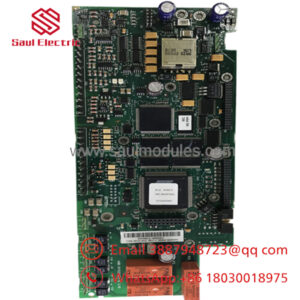
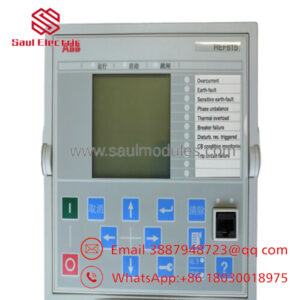
The ABB DSTS105 is a connection unit used within ABB Advant Master control systems to provide reliable electrical interconnection between system modules and associated field wiring. It supports dependable signal transmission and organized cabinet wiring for long-term industrial operation.
This product is a Brand New Surplus unit. It is not used, not pulled from a decommissioned plant, and not refurbished. All modules undergo rigorous quality verification to ensure OEM-level reliability. Because the Advant platform has reached a mature lifecycle, maintaining 1–2 DSTS105 units as buffer stock helps reduce lead time variability, lowers Total Cost of Ownership (TCO), and minimizes the operational risks associated with sourcing obsolete control hardware.
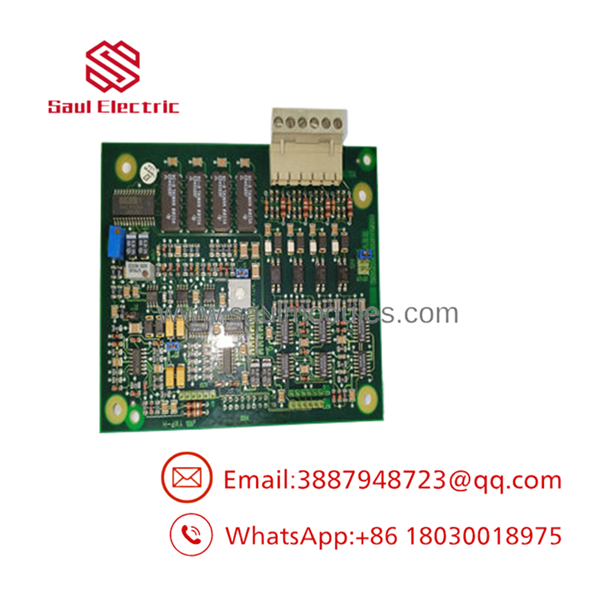
- DSTS105
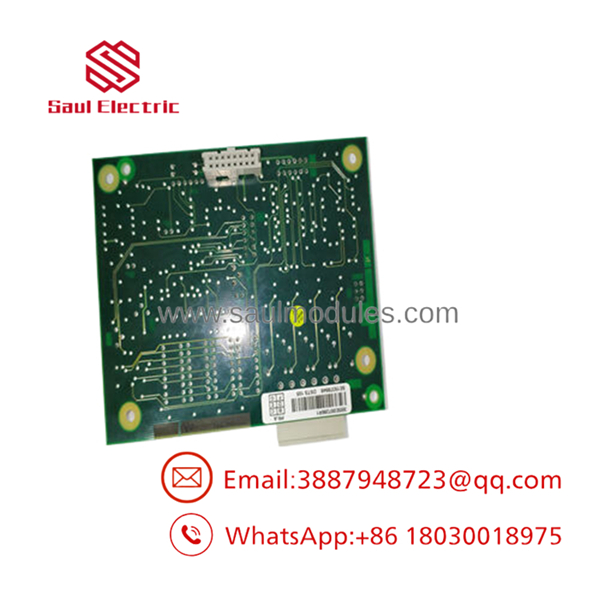
- DSTS105
Installation & Configuration Guide
Stage 1: Pre-Installation (Prep & Safety)
- Apply Lock-Out/Tag-Out (LOTO).
- Isolate cabinet and field power.
- Wear a grounded ESD wrist strap.
- Photograph:
- Wiring layout
- Connector positions
- Rack location
- Cable identification
- Label every cable before removal.
Stage 2: Removal
- Disconnect interface and field wiring.
- Release the retaining hardware.
- Remove the unit straight from the mounting position.
- Inspect connectors for contamination, oxidation, or bent contacts.
Stage 3: Installation (Clone & Seat)
- Verify the replacement model is ABB DSTS105.
- Install the unit in the original mounting location.
- Secure all retaining hardware.
- Reconnect wiring according to the recorded documentation.
- Confirm grounding continuity before energizing the cabinet.
Stage 4: Power-On & Testing
- Restore cabinet power.
- Verify controller startup completes normally.
- Confirm communication with associated modules.
- Check all connected I/O signals.
- Verify no communication or hardware diagnostics remain active before returning the process to service.
Firmware/Software Versions & Upgrade Notes
- The is a passive interface unit and contains no onboard firmware.
- Compatibility depends on the associated Advant Master controller and connected I/O modules.
- Back up the controller configuration before replacing connected hardware.
- Avoid controller software upgrades during emergency maintenance unless the complete system has been validated.
- Record cable routing and connector assignments before removal.
- Verify cabinet grounding and wiring integrity during commissioning.
Frequently Asked Questions (FAQ)
Q1. Is this unit genuinely new?
Yes. This is a New Original / New Surplus ABB unit. It is not used, repaired, or refurbished. Every unit undergoes serial verification, visual inspection, electrical continuity checks, and ESD-safe packaging before shipment.
Q2. Why is New Surplus priced below OEM factory supply but above refurbished products?
New Surplus inventory is sourced through genuine OEM supply channels and preserves the original electrical and mechanical integrity. While typically costing more than refurbished products, it eliminates the hidden risks of worn connectors, undocumented repairs, and shortened service life that can result in expensive production downtime.
Q3. Is the considered obsolete?
Yes. The supports the legacy ABB Advant Master platform, and worldwide availability continues to decrease. Facilities operating these systems should maintain 1–2 spare units, monitor lifecycle status, consolidate approved vendors, and execute a planned last-time-buy before inventory becomes difficult to obtain.
Q4. Can the be replaced while the control system is energized?
No. Replacement should be performed with the control cabinet de-energized. Following proper isolation procedures prevents communication faults, connector damage, and unintended process interruptions.
Q5. Will replacing the require software changes?
Normally, no. As a passive connection unit, replacing the with an identical model typically requires no PLC or DCS program modifications. Verify wiring and system diagnostics before returning the equipment to operation.
Q6. What quality verification is completed before shipment?
Every New Surplus completes a documented quality process including:
- OEM serial number verification
- Inbound traceability inspection
- Visual inspection
- Electrical continuity verification
- Connector integrity inspection
- Ground continuity testing
- QC inspector approval
- ESD-safe packaging
- Heavy-duty export shipping preparation
Q7. What inventory strategy provides the lowest Total Cost of Ownership (TCO)?
For facilities operating ABB Advant Master systems, classify the as a critical infrastructure spare. Maintain 1–2 units as buffer stock, implement vendor consolidation, share inventory across multiple sites where practical, and execute a planned last-time-buy before end-of-life inventory is exhausted. This strategy reduces lead time variability, minimizes stock-out incidents, controls carrying costs, and delivers a lower Total Cost of Ownership (TCO).

 Start Chat


