





Description
Key Technical Specifications
| Parameter | Value |
|---|---|
| Manufacturer | ABB |
| Model | FEN-31 |
| Product Type | HTL Encoder Interface Module |
| Primary Function | HTL incremental encoder feedback interface |
| Supported Encoder Type | HTL Incremental Encoder |
| Encoder Emulation Output | RS-422 TTL Encoder Output |
| Digital Inputs | 2 High-speed Digital Latch Inputs |
| Temperature Sensor Support | PTC, Pt1000, KTY-84 |
| Encoder Supply Voltage | 15 V DC or 24 V DC (selectable) |
| Diagnostics | Encoder cable fault diagnostics for supported encoder types |
| Mounting | Internal drive option module |
| Compatible Drives | ABB ACS850, ACS880, DCS880 and supported drive families |
| Configuration | DIP switches and drive firmware parameters |
| Operating Environment | Industrial motor drive systems |
Product Introduction & Supply Chain Strategy
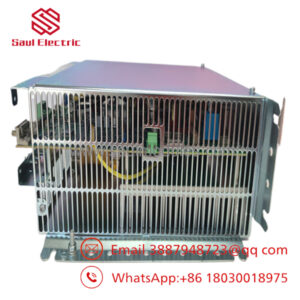
The ABB FEN-31 is an HTL encoder interface module that enables ABB industrial drives to receive high-resolution speed and position feedback from incremental HTL encoders. It also provides RS-422-compliant TTL encoder emulation, dual digital latch inputs, and motor temperature sensor connectivity for demanding motion control applications.
This product is a Brand New Surplus unit. It is not used, not pulled from a decommissioned plant, and not refurbished. All modules undergo rigorous quality verification to ensure OEM-level reliability. Because encoder feedback modules directly affect drive control performance, maintaining 1–2 spare FEN-31 modules as buffer stock minimizes lead time variability, reduces unplanned downtime, and lowers Total Cost of Ownership (TCO). Genuine New Surplus inventory eliminates the hidden reliability risks commonly associated with refurbished electronics.
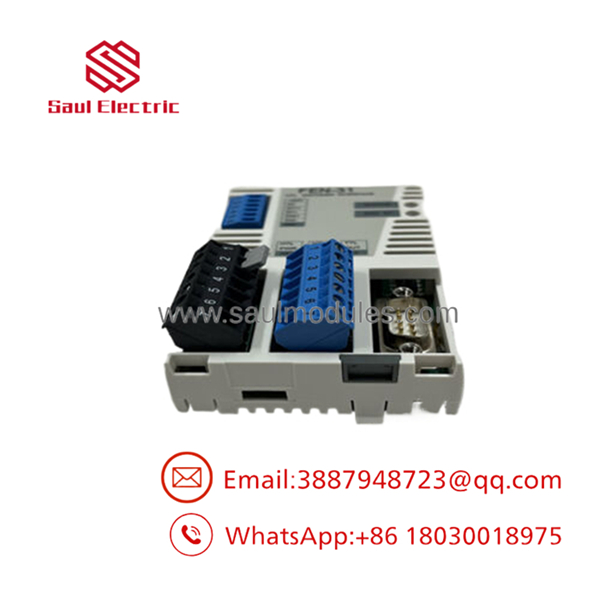
- FEN-31
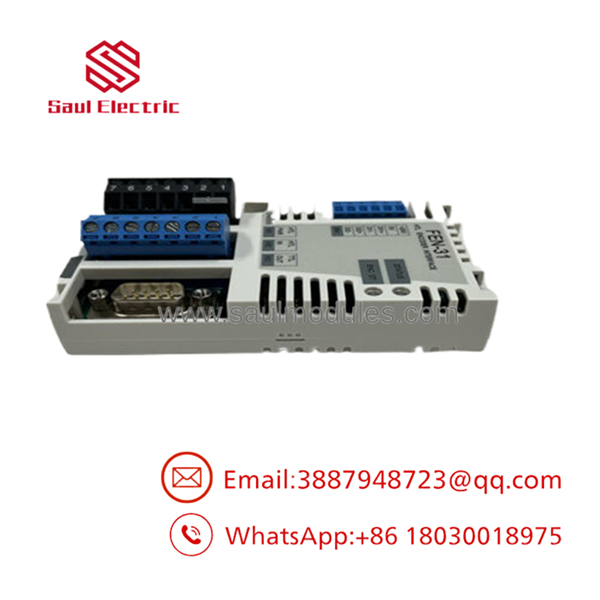
- FEN-31
Installation & Configuration Guide
Stage 1: Pre-Installation (Prep & Safety)
- Apply Lock-Out/Tag-Out (LOTO).
- Disconnect AC input power and wait for the drive DC bus to discharge completely.
- Wear a grounded ESD wrist strap.
- Photograph:
- Encoder wiring
- DIP switch positions
- Drive parameter settings
- Option slot location
- Back up all drive parameters before removing the module.
Stage 2: Removal
- Disconnect the encoder and temperature sensor wiring.
- Remove the retaining screw.
- Carefully extract the module without bending connector pins.
- Inspect the option connector for contamination or damage.
Stage 3: Installation (Clone & Seat)
- Verify the replacement model is ABB FEN-31.
- Install the module into the original option slot.
- Replicate all DIP switch settings exactly.
- Reconnect encoder, digital inputs, and temperature sensor wiring.
- Verify cable shielding and grounding before energizing the drive.
Stage 4: Power-On & Testing
- Restore drive power.
- Confirm the module is recognized by the drive firmware.
- Verify encoder pulse feedback and rotation direction.
- Check encoder diagnostics for cable faults.
- Validate motor speed feedback during controlled operation.
- Confirm digital latch inputs and TTL emulation output operate correctly before returning the machine to production.
Firmware/Software Versions & Upgrade Notes
- Verify the installed drive firmware supports the option module before commissioning.
- Configure the encoder type, pulse resolution, and feedback parameters according to the drive firmware manual.
- Record all drive parameters before hardware replacement.
- Avoid upgrading drive firmware during emergency hardware replacement unless compatibility has been fully validated.
- Incorrect encoder configuration may result in unstable motor control, encoder faults, or drive trips.
- Always verify DIP switch settings, encoder supply voltage (15 V or 24 V), and communication parameters after installation.
Frequently Asked Questions (FAQ)
Q1. Is this module genuinely new?
Yes. This is a New Original / New Surplus ABB . It is not used, not repaired, and not refurbished. Every unit undergoes OEM serial verification, electrical inspection, functional verification, and ESD-safe packaging before shipment.
Q2. Why is New Surplus priced below OEM factory supply but above refurbished modules?
New Surplus inventory is sourced through genuine OEM supply channels and retains original electronic components. While typically costing more than refurbished hardware, it eliminates the hidden risks of repaired circuitry, aged components, and shortened service life that can lead to unexpected drive failures.
Q3. Should the be stocked as a critical spare?
Yes. If encoder feedback is essential to production, classify the as an A-Class critical spare. Maintain 1–2 modules on-site as buffer stock to reduce stock-out incidents and compensate for lead time variability. This strategy supports higher equipment availability and a lower Total Cost of Ownership (TCO).
Q4. Can the be hot-swapped?
No. The should only be installed or removed with the drive completely de-energized. Wait for the DC bus to discharge fully before servicing the option module to prevent equipment damage or personal injury.
Q5. Will replacing the require drive parameter changes?
Normally, no, provided the replacement module is identical and the original parameter set is restored. Verify encoder resolution, encoder supply voltage, feedback direction, and scaling before placing the drive back into service.
Q6. What quality verification is completed before shipment?
Every New Surplus follows a documented SOP including:
- OEM serial number verification
- Inbound traceability inspection
- Power-on diagnostics
- HTL encoder input verification
- TTL emulation output testing
- Digital input functional testing
- Temperature sensor interface verification
- QC inspector approval
- ESD-safe packaging
- Heavy-duty export shipping preparation
Q7. What inventory strategy provides the lowest Total Cost of Ownership (TCO)?
For facilities operating ABB ACS850, ACS880, or DCS880 drives with encoder feedback, classify the as an A-Class critical spare. Maintain 1–2 units as buffer stock, standardize firmware revisions across drive fleets, implement vendor consolidation, and use cross-site inventory sharing where practical. This approach minimizes lead time variability, reduces stock-out risk, and delivers a lower Total Cost of Ownership (TCO).

 Start Chat


