





Description
Product Introduction & Engineering Value
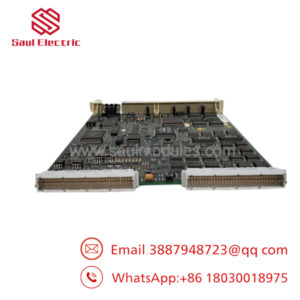
A field current sensing module is often overlooked until inaccurate feedback starts affecting loop performance. The ABB IMFCS01 provides dependable current measurement for excitation and control applications where precise analog feedback is required for stable operation.
Designed for the ABB Bailey INFI 90 platform, the IMFCS01 integrates with existing control architectures without requiring system redesign. It is commonly selected for maintenance projects where preserving compatibility with installed hardware is more practical than migrating to a newer platform.
Technical Specifications
| Parameter | Specification |
|---|---|
| Model Number | IMFCS01 |
| Manufacturer | ABB |
| Legacy Brand | Bailey Controls |
| Product Type | Field Current Sensor Module |
| System Platform | INFI 90 DCS |
| Signal Type | Analog Field Current Measurement |
| Mounting Method | INFI 90 Module Rack |
| Cooling Method | Passive Convection |
| Operating Environment | Industrial Control Cabinets |
| Diagnostic Capability | System Diagnostics via INFI 90 Architecture |
| Isolation | Designed for Industrial Signal Integrity |
| Application | Generator Excitation and Process Current Monitoring |
Specifications may vary slightly depending on hardware revision and manufacturing release.
Field Application & The “Trench” Experience
During a scheduled shutdown at a combined-cycle power station, operators reported unstable excitation feedback after replacing several aging interface modules. Diagnostic logs showed intermittent current readings rather than a failed controller. The maintenance team traced the issue to a worn sensing module that had gradually drifted outside acceptable measurement tolerance.
Replacing the module with an ABB IMFCS01 restored stable current feedback immediately. No software modifications were required because the replacement maintained compatibility with the existing INFI 90 configuration and wiring.
Typical applications include:
- Generator excitation current monitoring in utility power stations
- Static excitation systems for large synchronous motors
- Catalytic cracking unit compressor drive monitoring
- Boiler feedwater pump motor excitation control
- Heavy industrial synchronous machine protection systems
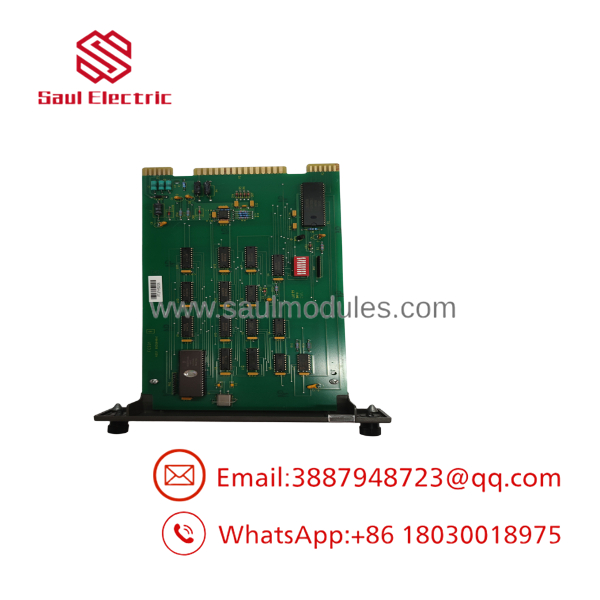
- IMFCS01
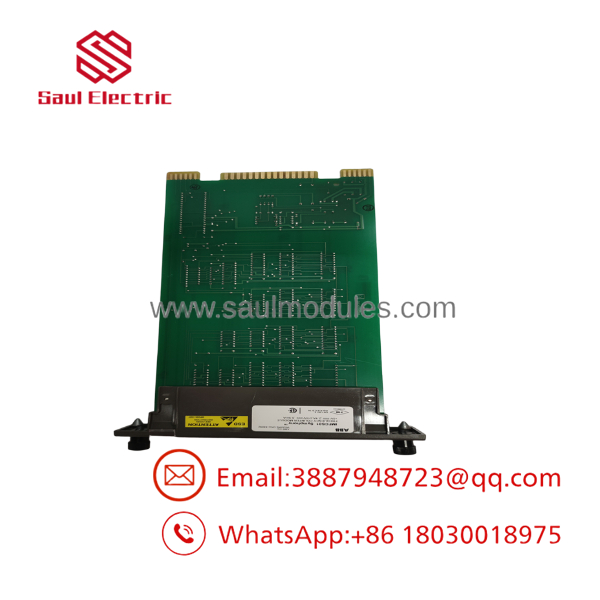
- IMFCS01
Transparency SOP: QA & Testing
Before shipment, every New Surplus or Refurbished undergoes documented inspection procedures.
- Visual inspection for connector damage, corrosion, and PCB contamination.
- Verification of part number, hardware revision, and identification labels.
- Power-up verification using compatible ABB INFI 90 hardware.
- Analog signal validation against calibrated reference equipment.
- Functional communication check where applicable.
- Final anti-static packaging and serial number recording before dispatch.
This process helps reduce installation surprises and provides traceability throughout the supply chain.
The Veteran’s Tech Trap Guide
⚠️ Firmware compatibility isn’t the only concern. Although the itself does not contain application logic like a processor module, always confirm that the associated control strategy expects the same measurement range as the replacement hardware.
⚠️ Inspect field wiring before replacing the module. Loose terminal connections and deteriorated shield grounding frequently produce unstable current readings that appear to be module failures.
PRO TIP: During shutdowns, compare actual excitation current with historical maintenance records. Gradual sensor drift is much harder to detect than complete module failure but can affect process stability long before alarms appear.
PRO TIP: Observe proper ESD handling procedures. Static discharge damage may not produce immediate failure but can shorten long-term service life.
Dynamic FAQ
Q1. Is the ABB compatible with every INFI 90 system?
It is designed for the ABB Bailey INFI 90 platform. Always verify hardware revision, cabinet configuration, and application documentation before installation.
Q2. Can the replace older Bailey-branded modules?
In many maintenance projects, yes. Compatibility should be confirmed by checking the original part number, hardware revision, and system documentation.
Q3. Does this module require calibration after installation?
Most installations do not require field calibration if the control system and associated sensing components remain unchanged. Final loop verification is still recommended after replacement.
Q4. How do you verify New Surplus authenticity?
Each module undergoes identification checks, cosmetic inspection, part number verification, and functional testing before shipment. Packaging condition and traceability records are also reviewed.
Q5. What warranty is typically available?
Warranty terms vary by supplier. Most reputable industrial automation suppliers provide a functional warranty covering manufacturing or operational defects under normal installation conditions.
Q6. What usually causes replacement?
Common reasons include long-term component aging, unstable analog measurements, preventive maintenance during scheduled outages, or replacement of obsolete inventory to improve system reliability.

 Start Chat


