





Description
Product Introduction
The ABB Bailey INICT13A is a dedicated Infi-Net to Computer Transfer Module engineered for the INFI 90, Network 90, and Symphony DCS platforms. It provides the primary hardware data bridge between the proprietary INFI-Net control network ring and external host computers. Human-Machine Interfaces (HMIs), engineering workstations, and plant historian database servers depend on this card for real-time process monitoring, alarm logging, and configuration management.
Constructed with an integrated 50-pin high-density SCSI interface, the INICT13A offloads heavy communication stack protocol execution from the host computer’s OS. It manages packet assembly, error checking, and buffer memory locally before handing off network traffic over the SCSI bus. This prevents host computer operating system hangs or driver delays from interrupting critical DCS event tracking across the plant network.
Key Technical Specifications
| Parameter | Specification |
| Module Function | INFI-Net node interface to PC host computer |
| Host Interface | 50-Pin High-Density SCSI connection (via terminal cables) |
| Network Bus | INFI-Net dual redundant communication ring |
| Supported Software | Composer, Connet, OPC90, and legacy Bailey HMI software |
| Backplane Power | +5 VDC @ 1.5 A (typ), +15 VDC @ 0.05 A, -15 VDC @ 0.05 A |
| Node Capacity | Interfaces host to up to 250 INFI-Net process control units (PCUs) |
| Diagnostic Display | Front panel status LEDs (Power, Run, Error, SCSI Activity) |
| Module Mounting | Single-slot insertion in INFI 90 Module Mounting Unit (MMU) |
| Compatible Termination Units | NTCL01, NTCL02, or TU512 termination assemblies |
| Operating Temperature | 0°C to 55°C (32°F to 131°F) |
Application Scenarios & The “Trench” Experience
It is 11:45 PM on a hot summer night. The operator station in a continuous chemical processing unit goes completely blind. Alarms freeze, trending plots flatline, and the HMI loses its handshake to the INFI-Net ring. The plant engine running the DCS OPC server throws a persistent SCSI timeout error. The shift technician rushes to the server cabinet, sees a solid fault light on the old INICT13A transfer module, pulls a pre-tested spare off the warehouse shelf, verifies the onboard node address jumpers, slots the board, and restores full graphic visibility to the operators in under ten minutes.
- Chemical Refineries – Main Operator HMI & Alarm Servers – Bridges real-time process graphics and critical alarm events from the DCS ring to plant workstations.
- Power Generation Facilities – Plant Historian Data Logging – Delivers high-throughput trend data from turbine and boiler controllers to enterprise data archives.
- Pulp & Paper Plants – Engineering Workstation Link – Connects engineering software (Composer/WinCAD) to the control network for live logic tuning and configuration downloads.
- Steel Processing Lines – Multi-Node Supervisory Control – Routes supervisory setpoint commands from host optimization software directly to Field Control Units (FCUs).
Transparency SOP: Quality Assurance & Testing
We don’t just ship boxes; we test them on actual ABB Bailey MMU racks.
- Inbound Inspection: Mechanical evaluation checking for trace cracks, pin oxidation, edge connector wear, and physical inspection of the front-panel SCSI connector jack.
- Live Rig Testing: Inserted into an INFI 90 MMU backplane linked to an active INFI-Net node simulator.
- SCSI Handshake & Data Loop Testing: Connected via 50-pin SCSI to an OPC90/Composer engineering server. Continuous multi-hour read/write polling loops executed to verify zero dropped packets or bus timeouts.
- Firmware & Address Logic Audit: Onboard EPROMs checked against documented revision levels, and address jumpers verified across multiple target ID settings.
- ESD Safe Packaging: Thoroughly cleaned, double-sealed in static-shielding bags, and packaged using anti-static foam inserts for transit.
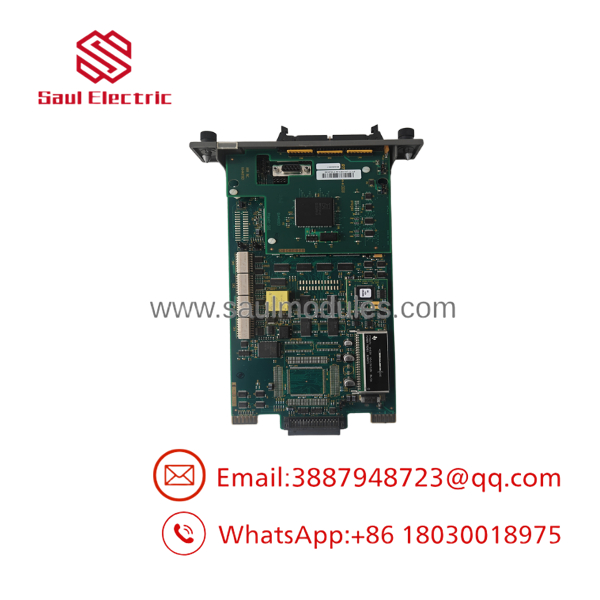
- INICT13A
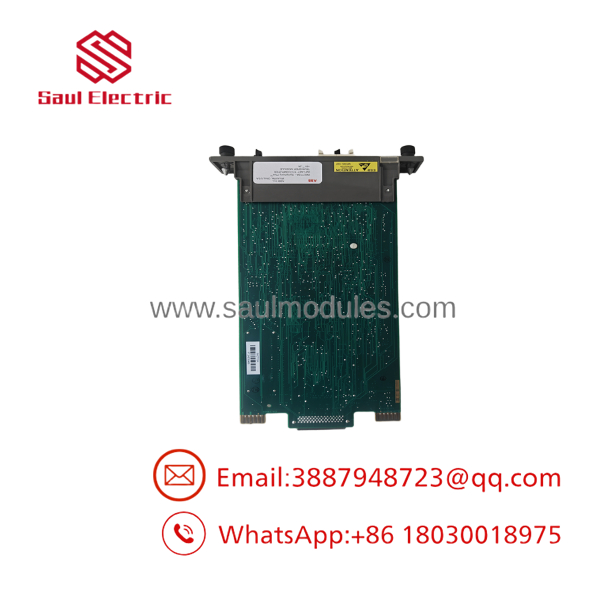
- INICT13A
The Veteran’s Tech Trap Guide (Crucial Value-Add)
- ⚠️ SCSI Bus ID Switches and Termination Hazards!
The INICT13A uses SCSI protocols to talk to the host PC. If the SCSI target ID set on the jumpers conflicts with another device on the PC’s host adapter (such as an internal hard drive or second interface card), the PC will hang on boot or lock up the SCSI controller. Double-check target IDs and ensure proper SCSI bus termination resistors are enabled at both ends of the cable!
- ❗ Match Your Node Address Jumpers
Before dropping a replacement into the rack, copy the exact node address jumper settings from the card you are pulling out. If the network node address changes on the transfer module, host software packages like OPC90 or Composer will fail to establish a link to the INFI-Net ring. Take a quick photo of the jumper block before swapping boards. Trust me.
- ⚠️ Do NOT Yank the SCSI Cable Live
Disconnecting the 50-pin SCSI connector from the module faceplate while the host PC is powered on can cause electrical latch-up on the host SCSI controller card or blow fuse components on the board. Power down the host workstation before disconnecting the interface cable.
- ❗ Check Host Driver Compatibility First
If you are migrating host computers to a newer Windows platform, ensure your PCI/PCIe SCSI controller card and software drivers (ASPI/WinSCSI drivers) are fully supported. A hardware-sound will appear dead if the host operating system cannot properly initialize the SCSI adapter.
Frequently Asked Questions (FAQ for Conversion)
Q: Is the hot-swappable?
A: No. Removing or inserting an while the backplane is powered can corrupt SCSI communications on the host PC or create a momentary glitch on the local INFI-Net node. Always power down the host interface and isolate power to the module slot before removal.
Q: What is the difference between and older INICT03 modules?
A: The features upgraded SCSI interface logic, higher data throughput, and improved noise immunity over the older INICT03. It also uses a high-density 50-pin SCSI connector layout rather than the older standard connector formats.
Q: Does the require a dedicated host computer card?
A: Yes. The host PC must be fitted with a compatible SCSI host adapter (such as an Adaptec card) that connects via cable directly to the module’s transfer block or faceplate connector.
Q: Are these modules factory-new from ABB?
A: No. ABB has discontinued the legacy Network 90 / INFI 90 system components. Our inventory consists of fully bench-tested New Surplus (unused plant spares) and refurbished units pulled from working plant shutdowns.
Q: What warranty coverage do you offer on this module?
A: Every module comes backed by a full 12-month replacement warranty. If the card develops a hardware fault or communication breakdown within one year of installation, we replace it immediately from our stock.

 Start Chat


