





Description
Product Introduction & Engineering Value
Frequent deceleration cycles can create more regenerative energy than a drive can safely absorb. Without a properly sized braking chopper, the DC bus voltage rises quickly, often resulting in nuisance overvoltage trips and unexpected production interruptions.
The ABB NBRA-663 is engineered to manage this excess energy by switching it into an external braking resistor. Used with compatible ACS600 variable frequency drives, it improves stopping performance for high-inertia loads while helping maintain stable drive operation during repetitive braking cycles.
Technical Specifications
| Parameter | Specification |
|---|---|
| Manufacturer | ABB |
| Model | NBRA-663 |
| Product Type | External Braking Chopper |
| Compatible Drive Family | ABB ACS600 Series |
| Drive Voltage Class | 690 VAC |
| Maximum Braking Power | Up to approximately 19.8 kW (application dependent) |
| Recommended Minimum Brake Resistance | 22 Ω (depends on drive rating) |
| Installation | Panel/Cabinet Mounted |
| Connection | DC Bus (DC+/DC-) and External Braking Resistor |
| Cooling | Natural or cabinet-assisted ventilation |
| Primary Function | Dynamic Braking Energy Dissipation |
| Application | High-inertia industrial motor drive systems |
Note: Braking capacity depends on the connected ACS600 drive size, resistor selection, duty cycle, and ambient operating conditions. Always verify compatibility using the ABB drive selection documentation.
Field Application & The “Trench” Experience
A steel coil handling crane began reporting repeated DC bus overvoltage faults whenever operators performed emergency stops while carrying heavy loads. The drive itself tested normally, and motor insulation values were within specification. The real problem was an aging braking chopper that could no longer dissipate regenerative energy consistently.
After replacing the NBRA-663 and installing a correctly matched braking resistor, the crane completed repeated full-load stopping cycles without a single overvoltage trip. Production resumed without modifying the drive parameters or replacing the inverter.
Typical applications include:
- Overhead crane hoisting systems with frequent braking
- Mine conveyor emergency stopping systems
- Paper machine unwind and rewind sections
- High-inertia centrifuge and test stand deceleration systems
Transparency SOP: QA & Testing
Every New Surplus or professionally Refurbished NBRA-663 undergoes a documented inspection process before shipment.
- Verify ABB model number and hardware identification.
- Inspect power semiconductors, terminals, and heat sink condition.
- Perform insulation and continuity testing.
- Simulate DC bus switching using a compatible test fixture.
- Verify trigger circuitry and braking output operation.
- Inspect cooling surfaces for mechanical damage.
- Package in ESD-safe materials with full traceability documentation.
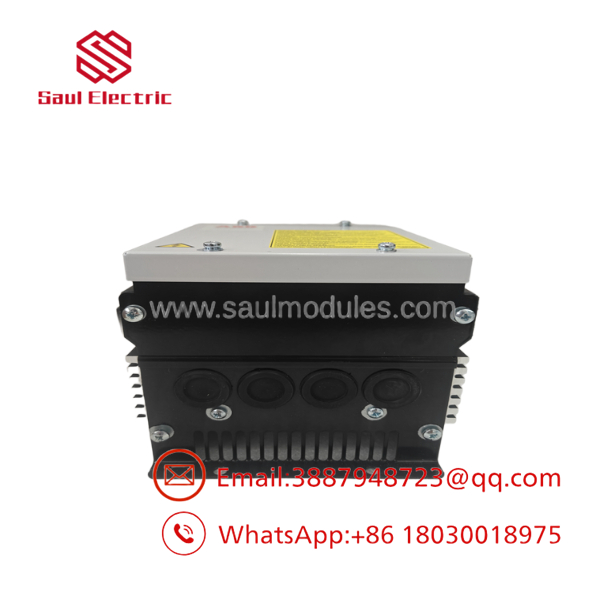
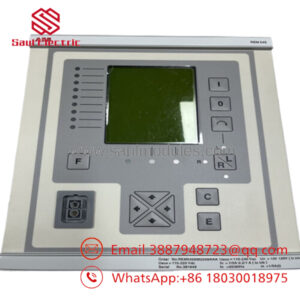
- NBRA-663
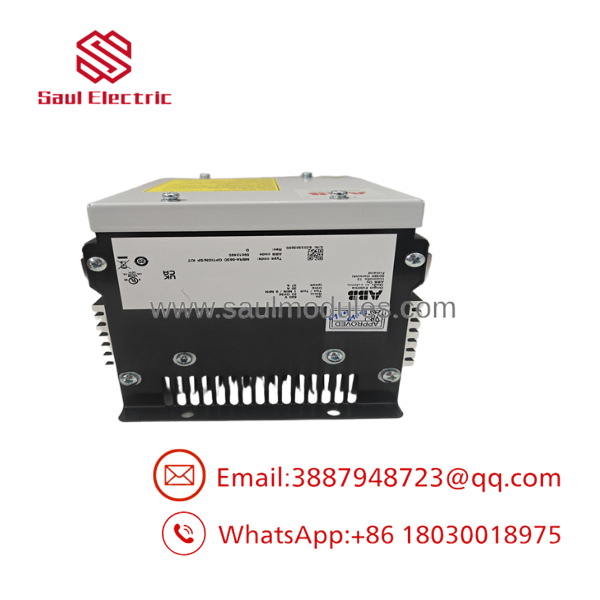
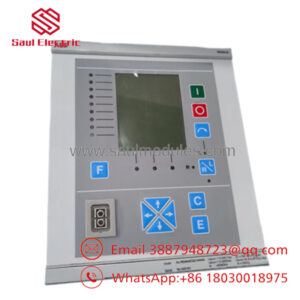
- NBRA-663
The Veteran’s Tech Trap Guide
⚠️ Never replace the chopper without checking the braking resistor. A damaged or incorrectly sized resistor can immediately overload the replacement module or prevent effective energy dissipation.
⚠️ Verify the resistor’s resistance value before startup. Installing a resistor below the specified minimum resistance can exceed the chopper’s current rating and permanently damage the switching components.
PRO TIP: If overvoltage faults occur only during heavy deceleration, record the DC bus voltage with a high-speed analyzer before replacing hardware. Many faults originate from an open-circuit braking resistor rather than the chopper itself.
PRO TIP: Inspect all power cable terminations after commissioning. Loose DC bus connections generate excessive heat and can produce intermittent braking failures that are difficult to diagnose.
Dynamic FAQ
Q1. What is the primary function of the ABB ?
The controls dynamic braking by diverting regenerative energy from the drive’s DC bus into an external braking resistor, reducing the risk of DC bus overvoltage during motor deceleration.
Q2. Which ABB drives are compatible with the ?
The module is designed for selected ABB ACS600 drive configurations in the 690 VAC class. Compatibility should always be verified using the specific drive model and ABB selection documentation.
Q3. Can I reuse the existing braking resistor when replacing the chopper?
Only after confirming that the resistor’s resistance, power rating, and physical condition meet the original system requirements. An aging resistor can significantly reduce braking performance.
Q4. What causes repeated DC bus overvoltage alarms even after replacing the drive?
Common causes include an open braking resistor, incorrect resistor sizing, loose DC bus wiring, excessive braking duty cycles, or a failed braking chopper. These components should be inspected as a complete braking system rather than individually.
Q5. How is New Surplus authenticity verified?
Each module undergoes model verification, visual inspection, electrical testing, switching circuit validation, and ESD-safe packaging before shipment.
Q6. What warranty is typically available?
Warranty terms vary by supplier. Most professional industrial automation distributors provide a functional warranty covering manufacturing or operational defects following documented inspection and testing.

 Start Chat


