





Description
Key Technical Specifications
- Manufacturer: ABB
- Model: PE1315A
- Order Code: 5FSE707630-7
- Product Type: Opto-isolated pulse amplifier
- Channels: 3 channels, A, B, and strobe
- Input Voltage: 5-24 V DC
- Output Voltage: 5-24 V DC
- Input Current: 13 mA
- Mounting: DIN rail mounting
- Function: Galvanic isolation and pulse signal conditioning
- Application: ABB protection relay and measurement systems
- Compatibility: Verify exact system interface before installation
Product Introduction
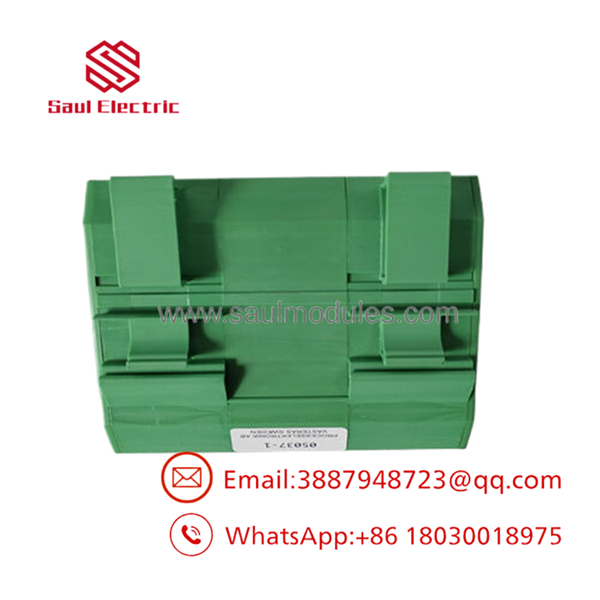
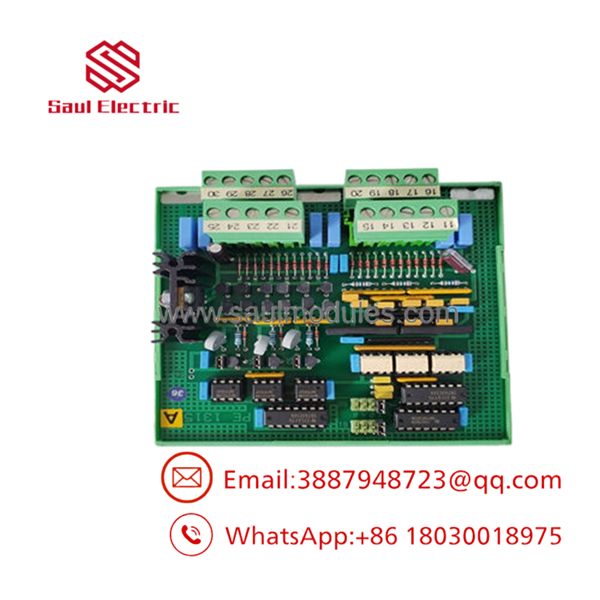
ABB PE1315A is an opto-isolated pulse amplifier module for ABB control and measurement applications. It provides three channels, A, B, and strobe, with 5-24 V DC input and output levels for signal isolation and conditioning.
This part is used where pulse integrity and electrical isolation matter. The module is DIN rail mounted and is typically ordered as a replacement spare, so verify the exact order code and the site interface before installation.
- PE1315A
- PE1315A
Troubleshooting Quick Reference
| Symptom | Possible Cause | Relevance to This Part | Quick Check Method | Recommendation |
|---|---|---|---|---|
| No pulse output | No input signal or failed amplifier stage | ✅ High | Measure 5-24 V DC at the input terminals with a meter | Confirm upstream sensor or controller output before replacing the module |
| Output stuck high or low | Signal wiring fault or failed channel | ✅ High | Check A, B, and strobe channels one by one | Swap in a known-good signal source to isolate the fault |
| Intermittent count loss | Poor terminal contact or noise issue | ✅ High | Inspect terminal tightness and shield grounding | Reseat wiring and verify grounding before calling the module bad |
| One channel dead | Channel-specific failure | ✅ High | Test each channel independently | If only one channel fails with a good input, replacement is likely justified |
| Communication-style timing errors | Mismatch in signal timing or pulse shape | ✅ Medium | Compare pulse width and level against the original device | Verify the source device timing before swapping hardware |
| Module gets warm but no response | Internal fault or overload | ✅ Medium | Check input current and module behavior under load | Reduce load and retest, then replace if the fault remains |
| Erratic output after installation | Wiring polarity or configuration mistake | ✅ Medium | Compare current wiring with a photo of the removed unit | Recheck terminals and mirror the original setup exactly |
If you get stuck, send photos of the label, the wiring, and the fault log to technical support before ordering a replacement.
Frequently Asked Questions
What is ABB PE1315A?
It is an opto-isolated pulse amplifier module with three channels: A, B, and strobe. ABB lists it with 5-24 V DC input and output levels.
Is 5FSE707630-7 the same as PE1315A?
Yes, that order code is tied to the listing. Match the full label on the old module before buying.
What does the module do?
It isolates and conditions pulse signals so the control system can read them cleanly without direct electrical coupling.
Can I use it on any ABB system?
No. It is a system-interface part, so you need to verify the exact input/output scheme and the site application before ordering.
Is it hot-swappable?
No. Shut the cabinet down, verify safe voltage levels, and follow lockout/tagout before touching the module.
Why do some sellers call it new surplus or factory sealed?
Because market stock varies. Some units are unused old stock, while others are sold as open-box or tested surplus, so condition depends on the seller.
What should I check before ordering?
Match the order code, the three-channel signal arrangement, the voltage range, and the mounting method. A quick photo of the old label and wiring usually saves a lot of back-and-forth.

 Start Chat


