





Description
3. Key Technical Specifications
- Module Type: Hydraulic Servo Module for Harmony Rack
- Control Modes: PI control and P-only control
- Servo Coil Support: Redundant servo coils
- Feedback Support: Redundant AC or DC LVDT
- Primary Application: Valve position control via servo valve interface
- Rack Compatibility: HR Series controllers, Symphony Plus systems
- Dimensions (approx.): 297.18 mm depth × 35.56 mm height × 175.26 mm width
- Weight: 0.272 kg
- Mounting: Harmony Rack backplane
- Power: Backplane powered (specific consumption verified during QC)
- Environmental: Industrial grade for power generation and process plants
4. Product Introduction & Supply Chain Strategy
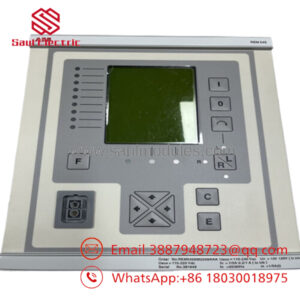
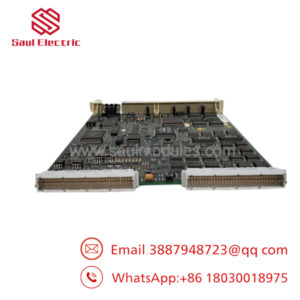
The ABB SPHSS13 is a Hydraulic Servo Module that provides precise valve position control for a Harmony Rack controller by interfacing directly with servo valves. It supports redundant servo coils and redundant LVDT feedback in both AC and DC configurations, along with selectable PI or P-only control modes. Plants use it primarily in turbine governor systems, boiler feedwater valves, and other critical hydraulic actuator applications where reliable positioning is essential for process stability.
Buying this module as New Surplus delivers strong Total Cost of Ownership advantages. It avoids the high risk of hidden failures common with refurbished parts while securing genuine ABB inventory before potential End of Life announcements force expensive last-time-buys. This approach maintains plant reliability without tying up excessive capital in full OEM new purchases, reduces stock-out incidents on critical spares, and eliminates secondary downtime costs that often exceed any initial savings from used modules.
5. Installation & Configuration Guide
Stage 1: Pre-Installation (Prep & Safety) Lock-out and tag-out the system power. Gather an ESD grounded wrist strap, screwdriver set, and digital camera. Take clear photos of the existing module’s DIP switch settings, jumper positions, and terminal wiring. Verify the replacement module serial number and QC test report.
Stage 2: Removal Power down the rack if hot-swap is not supported in your configuration. Gently release the module latches and slide the old module straight out. Avoid rocking or applying uneven force to prevent bending backplane pins.
Stage 3: Installation (Clone & Seat) Set the DIP switches and jumpers on the new SPHSS13 to exactly match the photographed settings from the old module. Align the module with the backplane slot and seat it firmly until the latches click. Ensure full contact without excessive force.
Stage 4: Power-On & Testing Restore power and check the 24V rails for proper voltage and no shorts. Monitor the module LEDs for RUN status (no ERR indications). Perform controller diagnostics, confirm communication handshake, and test valve positioning commands. Download or verify application logic as needed.
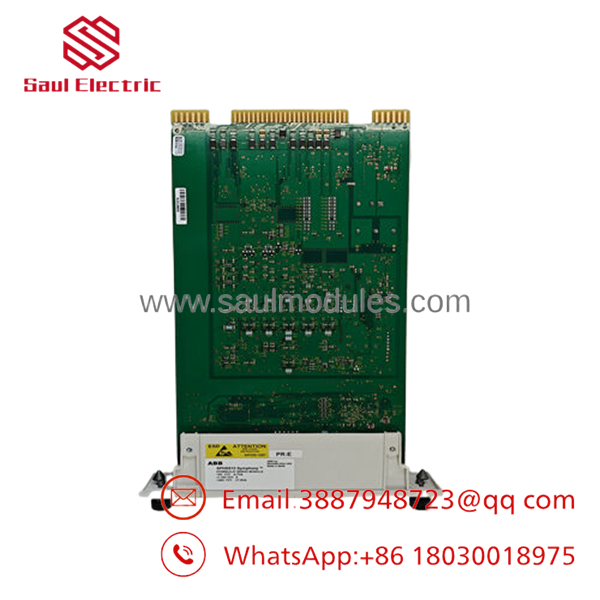
- SPHSS13
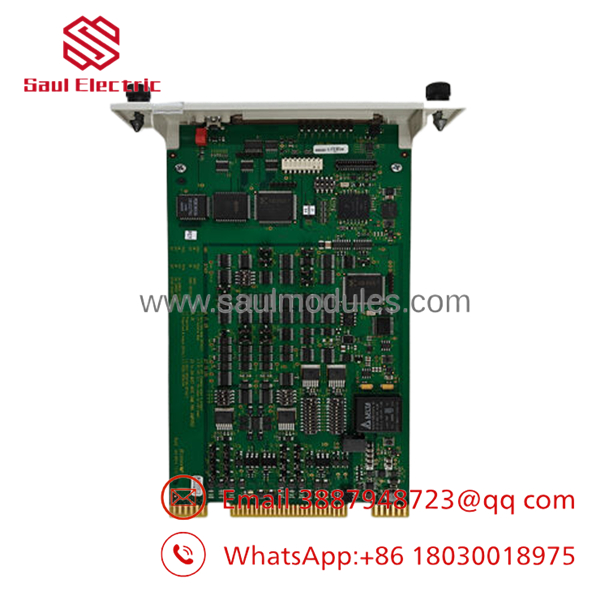
- SPHSS13
6. Firmware/Software Versions & Upgrade Notes
The SPHSS13 hardware works with standard Harmony Rack controller firmware versions used in your Symphony Plus or INFI 90 system. No specific firmware is embedded in the module itself, but controller compatibility must be verified.
Always document the current controller firmware version before replacement. Significant version jumps can introduce communication or control mode issues. Matching firmware levels between redundant controllers is strongly recommended to prevent mode mismatches or timeouts during failover. Upgrading firmware during a hardware swap increases risk — complete hardware replacement first, then test thoroughly before any firmware changes.
7. Frequently Asked Questions (FAQ)
Why is the price of this New Surplus SPHSS13 higher than refurbished options but lower than current OEM list? Our New Surplus units come from authorized channels with full OEM traceability. This provides years of reliable service versus the short warranty and hidden aging risks of refurbished parts. The price reflects real global sourcing costs while still delivering substantial savings versus factory-new list pricing.
Are these modules truly New Original / New Surplus? Yes. They are genuine ABB-manufactured units in original packaging (opened only for QC verification). They have zero runtime wear, untouched backplane connectors, and full test documentation. We do not handle used or refurbished inventory.
What is the obsolescence status of the ? It is a mature Harmony Rack module. We recommend maintaining 1-2 units of buffer stock for critical applications. Contact us for lifecycle updates and last-time-buy planning.
Can the be hot-swapped? Hot-swap capability depends on your specific controller configuration and system design. Always follow plant lock-out/tag-out procedures and verify redundancy before attempting replacement on a running system to avoid process upsets.
Does the module retain programming or configuration? Configuration resides in the controller, not the I/O module. After physical installation and DIP switch matching, the controller will recognize the module. Re-verify tuning parameters for the hydraulic loop.
What warranty do you provide? We offer a 1year warranty on New Surplus modules, backed by our functional test reports. This far exceeds typical 30-90 day coverage on refurbished parts.
Do you provide cross-site sharing or bulk inventory options? Yes. We support vendor-managed stock, consignment programs, and multi-plant consolidation for customers with multiple Harmony systems. This improves inventory turnover while ensuring availability.

 Start Chat


