





Description
Key Technical Specifications
| Parameter | Specification Value |
| Manufacturer | ABB / BBC (Brown Boveri & Cie) |
| Model Number | XV5628A |
| Part Number Matrix | HEIA404919R1 / HE661536-318/19 |
| System Architecture | Procontrol P13 / Decontic Automation |
| Primary Processing Mode | Analog-to-digital vibration signal conversion |
| Input Channels | Multi-channel accelerometer/proximity probe interface |
| Backplane Power Rail | 24 V DC system bus distribution |
| Interface Connections | Proprietary multi-pin gold-plated rack connector |
| Form Factor | Standard Eurocard rack-mount plug-in module |
| Enclosure Rating | Open-frame PCB style (Cabinet integrated) |
| Operating Temperature | 0 to +60 °C |
Product Introduction & Supply Chain Strategy
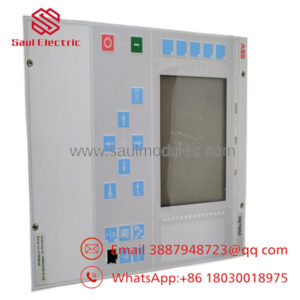
The ABB XV5628A is a specialized Vibration Main Unit board developed under the legacy Procontrol P13 and Decontic automation umbrellas. Engineered specifically for heavy rotating machinery, including steam turbines, hydro-turbines, and large industrial compressors, this module captures, filters, and analyzes dynamic vibration signals from field-mounted sensors. By providing rapid analysis of structural harmonics and shaft displacement, the board enables protective emergency trip logic to execute before mechanical stress causes permanent structural destruction.
From an executive supply chain perspective, stocking the XV5628A as a New Surplus module is a vital tool for managing lifecycle obsolescence risks. Because the Procontrol P13 system governs high-availability utility infrastructure, relying on second-hand or repaired modules introduces substantial operational vulnerability. Refurbished vibration boards often possess microscopic degradation in passive filtration networks and analog conversion paths, which can lead to false trips or failed sensor detection. Maintaining a verified New Surplus asset on site establishes zero-hour reliable component protection, keeping old control systems operational while avoiding forced capital upgrades.
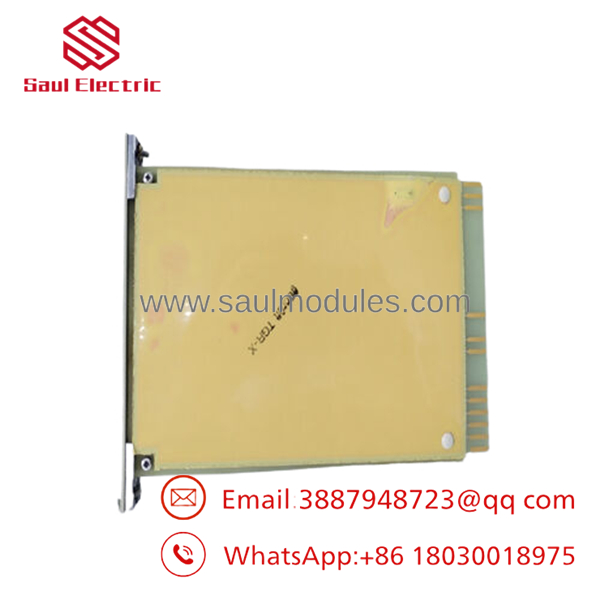
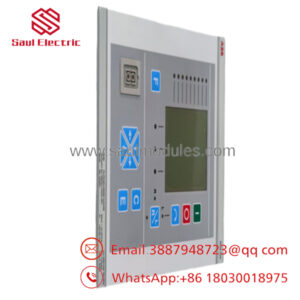
- XV5628A
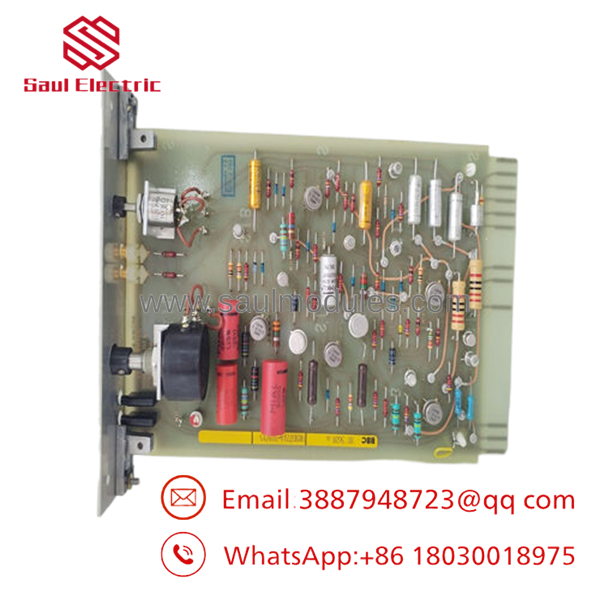
- XV5628A
Installation & Configuration Guide
Stage 1: Pre-Installation (Prep & Safety)
- Confirm that the master turbine control system or related safety interlocking loops are placed in a secure bypass state to prevent an accidental machine trip during maintenance.
- Confirm that the 24 V DC system rack power distribution frame is isolated or the specific slot path is dead.
- Securely clip a grounded anti-static wrist strap to your arm to protect the legacy board’s highly static-sensitive logic gates.
- Document the exact hardware layout of the original module, mapping out physical trace switches, jumper pins, and channel calibration points.
Stage 2: Removal
- Unfasten the captive front-panel locking screws holding the Eurocard panel to the rack frame.
- Carefully pull the module outward using the structural handles, maintaining a straight linear path to prevent twisting or binding the pin configurations on the long backplane connectors.
- Inspect the rack cavity for any dust buildup or visible rail alignment blockages.
- Immediately secure the legacy board in a thick anti-static shielding container to prevent airborne particulate contamination.
Stage 3: Installation (Clone & Seat)
- Verify that all jumper settings and hardware calibration pins on the replacement XV5628A exactly match the legacy baseline layout.
- Insert the card edges cleanly into the plastic card guides inside the rack subassembly.
- Push the board evenly into the frame until the high-density backplane connector mates completely with the socket.
- Fasten and torque the front-panel captive retention screws to ensure a continuous ground path across the rack framing.
Stage 4: Power-On & Testing
- Re-energize the 24 V DC rack system power bus.
- Verify the front panel status matrix shows standard system parameters and the power indicators show a solid green state with zero generic faults.
- Use specialized test instrumentation to inject a synthetic frequency signal into the sensing channels to confirm the board properly registers target vibration data.
- Remove the safety interlock bypasses and return the control channel back to normal operating status.
Firmware/Software Versions & Upgrade Notes
The relies heavily on physical hardware components, microcode arrays, and discrete analog filtering paths that are hardwired to specific Procontrol P13 processing speeds. The functional variation profiles are indicated by part number suffix revisions such as HEIA404919R1 or HE661536-318/19.
When replacing modules, always execute a direct like-for-like part number and revision match. Installing an alternative revision sub-assembly can cause signal mismatch errors or incorrect sensor gain calibrations due to slight design updates made to the analog processing chips over the product lifecycle. These hardware adjustments cannot be overcome or reprogrammed via system software parameters.
Frequently Asked Questions (FAQ)
Is this board fully new, or has it been rebuilt using salvaged parts?
This module is classified as New Surplus. It is an original, unused component sourced from strategic warehouse inventories. It has never spent hours in active service, it has not been pulled from a dismantled power facility, and it does not contain repaired traces or swapped capacitors.
Why is keeping a New Surplus unit on hand preferable to upgrading the legacy Procontrol P13 rack?
Migrating a legacy Procontrol P13 or Decontic automation layout over to a modern distributed control system requires millions of dollars in capital investment, comprehensive engineering redesigns, and months of plant downtime. Storing a New Surplus board costs a fraction of that amount and provides instant backup readiness to protect the existing system for another 10 to 15 years.
What are the operational risks of using a refurbished vibration monitoring board?
Vibration boards utilize precision components to monitor delicate micro-volt or millivolt signals sent from field probes. Over time, heat causes the passive filter circuits on a board to drift. A refurbished board may look clean, but its drifted component values can cause inaccurate measurement readings, resulting in dangerous missed vibration faults or unnecessary plant shutdowns.
Do I need to perform a software configuration download to get this unit running?
The operates primarily through hardware-level programming, set via onboard jumpers and specific slot configurations within the main Procontrol P13 backplane nest. Once you configure the new board’s physical jumpers to match your original asset, it is ready to run immediately upon installation.
What parameters does the 2-year warranty cover?
Our 1-year warranty provides comprehensive protection against any component failures or out-of-tolerance signal processing errors. If the board encounters any functionality issues during normal operation within the 1-year coverage window, we will provide an immediate identical replacement module or a full inventory refund.

 Start Chat


