





Description
Product Introduction
To be honest, the Acquisition Logic AL81G (frequently distributed via UTEX Scientific) is a highly specialized piece of hardware. It is a single-channel, high-speed 1 GHz A/D digitizer card designed specifically for high-frequency RF signal capture and ultrasonic scanning systems. Rather than acting as a standard industrial I/O module, it sits inside host PC expansion slots to digitize microsecond-level transducer responses.
Operating via a dedicated BNC analog input, the AL81G handles ultra-fast signal threshold triggering to map internal material flaws without swiping host CPU clock cycles. In our field experience, replacing a failed AL81G board is crucial for aerospace and quality labs running legacy NDT equipment, where changing digitizer hardware would require full re-certification of proprietary inspection software.
Key Technical Specifications
| Parameter | Value |
| Max Sampling Rate | 1 GHz |
| Channel Count | 1 Single-Ended Channel |
| Input Connector | BNC Female |
| On-Board Acquisition Memory | 64 MSamples |
| Form Factor | Standard PCI Expansion Card |
| Triggering Modes | Hardware Signal Threshold / Internal / External |
| Signal Input Type | Analog RF / Ultrasonic Transducer Signal |
| Bus Interface | 32-bit PCI |
| Software Integration | UTEX InspectionWare / Windows OEM Drivers |
| Power Requirements | Supplied via Host PCI Bus (+5V / +12V) |
Application Scenarios & The “Trench” Experience
Picture this: It’s 2:00 PM in an aerospace composite testing bay. A critical jet engine turbine blade needs full ultrasonic immersion scanning before shift end. Midway through the pass, the digitizer software loses signal lock—the A/D converter board’s trigger circuit burnt out from a high-voltage pulser back-emf spike. The whole line halts. Re-qualifying a modern PCIe digitizer card would mean weeks of software re-validation. Swapping in a tested, drop-in AL81G PCI board gets the NDT skid back online before dinner.
- Aerospace & Defense – Ultrasonic Flaw Detection: Digitizing high-frequency transducer echoes to detect sub-surface cracks in turbine blades and composite panels.
- Automotive & Steel – Welded Joint Integrity: High-speed RF pulse-echo capture for automated inline pipe and seam inspection skids.
- Research Laboratories – High-Bandwidth RF Signal Capture: Processing localized high-frequency transients and acoustic emissions.
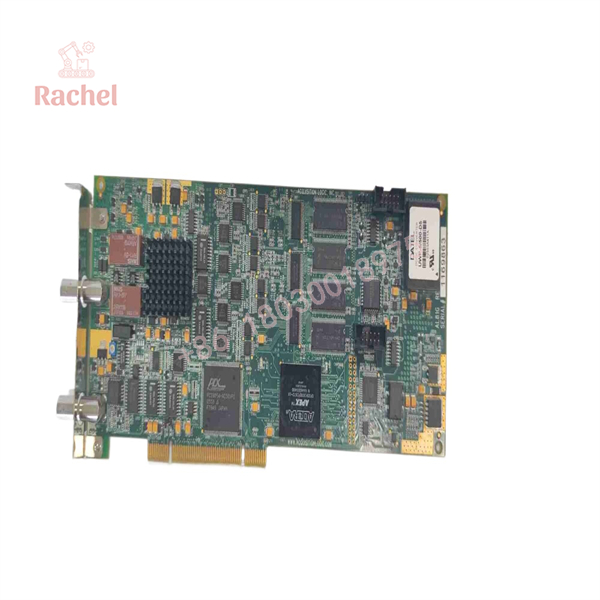
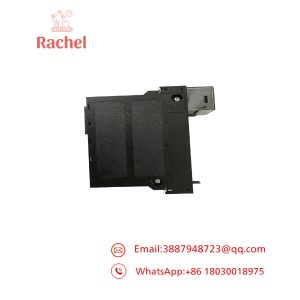
AL81G
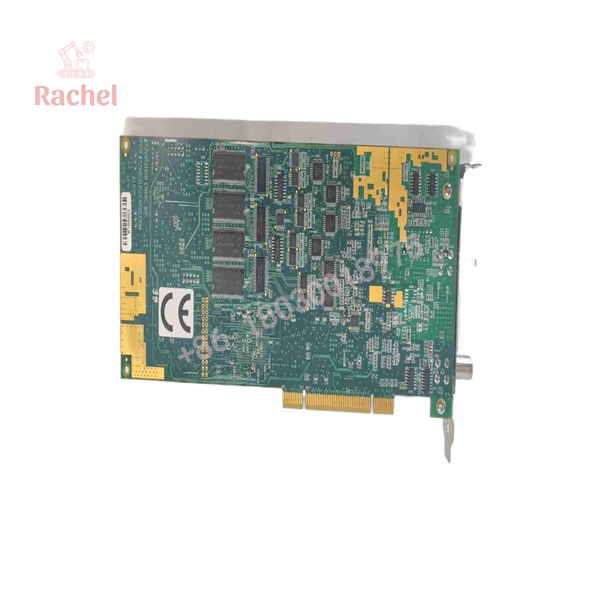
AL81G
Transparency SOP: Quality Assurance & Testing
We don’t just ship boxes; we test them on actual PCI test rigs. Every board goes through a strict verification protocol:
- Inbound Inspection: Gold finger edge-connector checks, inspection for blown surface-mount caps, and OEM board revision verification.
- Live Rig Testing: Insertion into a legacy test chassis to verify PCI bus handshakes, driver initialization, and memory mapping.
- Signal Calibration Check: Injecting a 100 MHz reference sine wave via a signal generator to test BNC signal path integrity and threshold trigger accuracy.
- Memory Burn-in: Filling and reading back the on-board 64 MSamples memory buffer to catch intermittent RAM cell failures.
- Final QC & Anti-static Packaging: Cleaning edge contacts, sealing the board in a static-shielding bag, and securing it in ESD foam.
The Veteran’s Tech Trap Guide (Crucial Value-Add)
⚠️ Pulser Receiver Back-EMF Hazards: Always verify your external pulser/receiver unit has proper main-line dampening or signal limiters. Direct high-voltage acoustic excitation pulses leaking back into the AL81G’s 50-ohm BNC input will destroy the front-end amplifier instantly.
❗ Legacy PCI Slot Compatibility: Ensure your host motherboard supports standard 5V/3.3V PCI keying. Attempting to force legacy PCI boards into non-compliant PCI-X or active PCIe-to-PCI bridge slots often causes DMA transfer lockups during fast buffer fills.
⚠️ Interrupt Routing Conflicts: Take a screenshot of your Device Manager resource allocation before pulling the old board. Older NDT software suites hardcode interrupt (IRQ) vectors and base memory addresses; mixing up slots can cause driver initialization errors on boot.
Frequently Asked Questions (FAQ for Conversion)
Q: Can this card be used in modern Windows 10 or 11 systems?
A: It depends on your host hardware and drivers. The AL81G is a legacy 32-bit PCI card. While it works under older 32-bit Windows operating systems, running it on modern 64-bit systems requires active PCI bridges and compatible driver wrappers.
Q: Does this card come with software or drivers included?
A: Hardware sales typically include the board itself. If you require original driver files or UTEX interface documentation, let our team know prior to shipment so we can assist with archive files.
Q: Does this unit come with a warranty?
A: Yes. All new surplus and fully tested units carry a comprehensive 12-month replacement warranty.
Q: Why purchase this instead of upgrading to a PCIe digitizer card?
A: Upgrading to a modern digitizer card requires rewriting or re-licensing proprietary ultrasonic software (like older versions of InspectionWare). Replacing the exact AL81G board saves tens of thousands in software re-validation costs.

 Start Chat


