





Description
Product Introduction
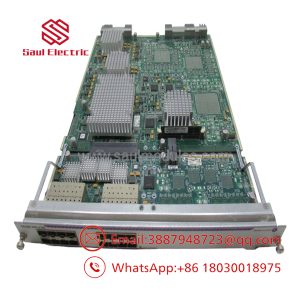
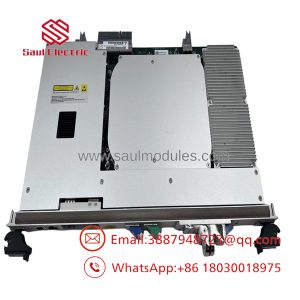
The Alcatel-Lucent 8DG59236ABAA REV AM2 is a specialized optical line interface module engineered for legacy high-capacity transport platforms, including the 1850 Transport Service Switch (TSS) and 1660 Service Multiplexer (SM) families. Built for mission-critical telecommunications networks, power utility transport backbones, and railway communication grids, this board processes optical signal framing, payload routing, and multiplexing across backplane buses without introducing latency.
Unlike standard interface cards, the specific REV AM2 hardware revision incorporates updated onboard ASIC timing components and modified trace layer power regulation. This design mitigates the thermal drift issues that plagued earlier board revisions under full traffic loads. If you are maintaining legacy Synchronous Optical Networking (SONET) or Synchronous Digital Hierarchy (SDH) nodes, this module delivers stable payload framing while maintaining full backward compatibility with older backplane revisions.
Key Technical Specifications
| Parameter | Specification / Value |
| Part Number | 8DG59236ABAA |
| Hardware Revision | REV AM2 |
| Manufacturer | Alcatel-Lucent (Nokia) |
| Module Type | Optical Interface / Line Card |
| Platform Compatibility | Alcatel-Lucent 1850 TSS / 1660 SM Series |
| Bus Interface | High-Speed Proprietary Backplane Bus |
| Operating Voltage | -48V DC / -60V DC Dual Redundant Bus Feeds |
| Power Consumption | ~25W to 45W (Dependent on transceiver loading) |
| Operating Temperature | -5°C to +55°C (23°F to 131°F) |
| Form Factor | Full-Slot Chassis Board Assembly |
| Status Indicators | LED (Power, Fault, Active, Line Loopback) |
Application Scenarios & The “Trench” Experience
It is 3:15 AM on a rainy Tuesday. Your central monitoring system drops an alarm: an OC-48/STM-16 ring on a regional utility backbone just experienced a loss of frame (LOF) on Node 4. The secondary path picked up the load, but your ring redundancy is gone. You head out to the shelter, open the rack, and see the fault light glowing red on an aging line board. A failed ASIC transformer on a legacy optical card can paralyze entire municipal control channels or telecom backhauls. In these moments, you do not have three months to wait for a manufacturer build cycle on a system that the OEM declared end-of-life years ago. You need a drop-in spare that works the second you lock the ejector handles.
Target Applications
- Power Utility Communication Backbones: Relaying differential protection data and SCADA traffic across high-voltage substations over long-haul optical fiber lines.
- Railway Telecommunications Networks: Processing real-time wayside signaling, emergency communications, and trackside telemetry feeds across regional rail transport corridors.
- Legacy Telecom Core & Metro Networks: Maintaining existing SDH/SONET transport rings for municipal infrastructure and enterprise leased lines.
- Industrial Oil & Gas Offshore Platforms: Bridging telemetry and voice communications between offshore drilling platforms and mainland control centers via submarine optical links.
Field Case Study
A regional energy provider suffered an unrecoverable optical synchronization fault on a critical transport node during an off-grid storm event. The primary channel went down, leaving SCADA automation exposed without backup links. The OEM quoted a 16-week lead time for a modern migration kit. We shipped a fully burn-in tested 8DG59236ABAA REV AM2 board overnight. The site technician slotted the card in, restored the configuration matrix from the shelf controller, and cleared the ring alarm within 20 minutes of arrival on site. Total downtime saved was estimated at over $120,000 in potential outage penalties.
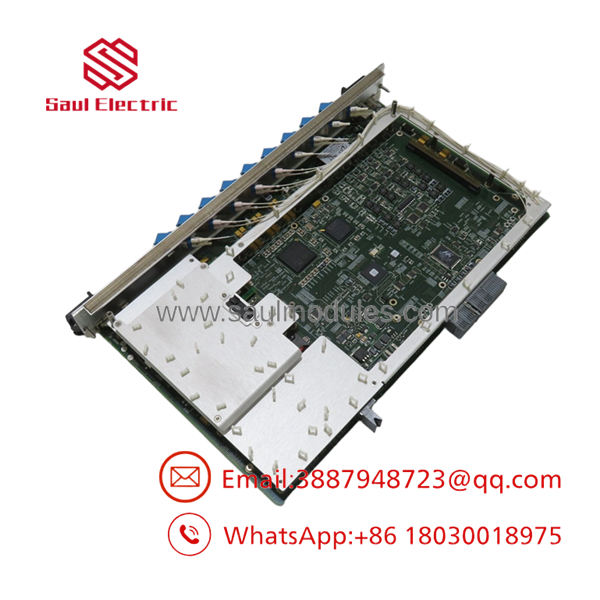
8DG59236ABAA REV AM2
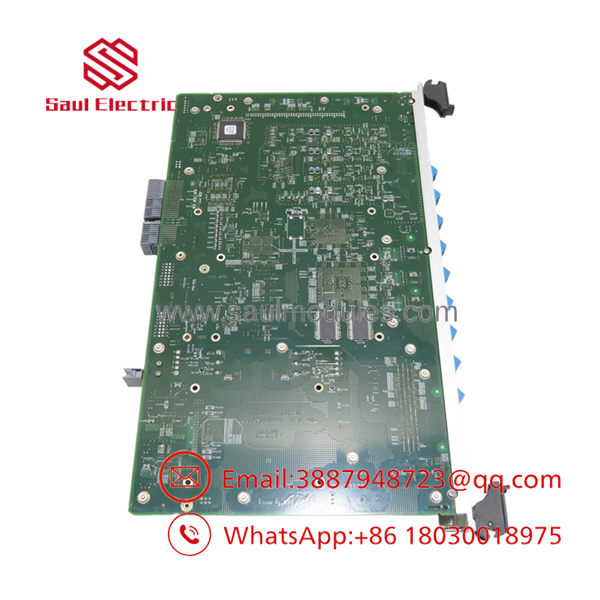
8DG59236ABAA REV AM2
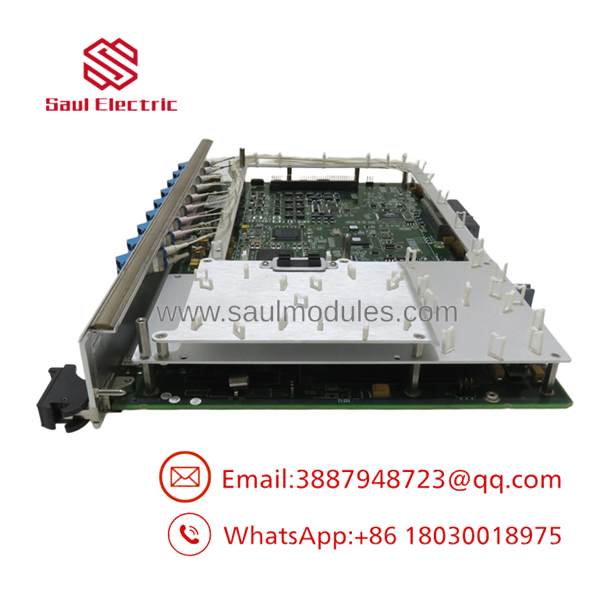
8DG59236ABAA REV AM2
Transparency SOP: Quality Assurance & Testing
We do not just pull a board out of a bin and drop it in a box. Telecom hardware fails if it is not tested under real operational stresses. Our testing protocol includes:
- Inbound Visual & Anti-Counterfeit Inspection: Inspection of overall PCB condition, edge connector integrity, component soldering quality, OEM barcode verification, and checking for solder mask discoloration due to thermal stress.
- Chassis Live-Rig Handshake Testing: Insertion into a live, fully powered Alcatel-Lucent test chassis to verify backplane powering, EEPROM readout, correct hardware revision detection, and shelf controller handshakes.
- Optical & Electrical Signal Verification: Testing line interface ports using optical power meters and BERT (Bit Error Rate Testing) to guarantee zero loss of frame or jitter across extended traffic runs.
- Firmware & EEPROM Logging: Reading and documenting exact onboard firmware revs, serial numbers, and FPGA code blocks to match your site configuration needs before dispatch.
- ESD-Safe Cleaning & Packaging: Ultrasonic pin cleaning, anti-static bag sealing, and custom high-density foam packaging to prevent mechanical stress during transit.
The Veteran’s Tech Trap Guide (Crucial Value-Add)
⚠️ 1. Hardware Revision AM2 Compatibility Matters
Do not assume any 8DG59236ABAA revision will drop into your system. Earlier hardware revisions (like AM1 or AA) have different power draws and slightly modified ASIC timing loops. If your shelf controller runs a strict software release, mixing card revs can trigger a PROV-MISMATCH or EQPT-FAIL alarm. Check your node provisioning software before ordering.
❗ 2. Mind the Backplane Connector Pins
These boards use high-density backplane multi-pin connectors. When inserting the 8DG59236ABAA REV AM2, line up the guide rails perfectly. Never force the ejector levers. If you feel hard resistance before the card sits flush, pull it back out and check for bent backplane pins on the shelf using a flashlight. One bent ground pin can short out the shelf’s -48V power rail.
⚠️ 3. Always Save and Export Node Configuration First
Before pulling the faulty board, log into your Craft Terminal or Network Management System (NMS) and back up the shelf provisioning database. While the system usually stores board configurations on the central control unit (CCU), swapping line cards can occasionally cause the CCU to reset port parameters to default if the hardware rev differs slightly.
❗ 4. Watch out for ESD Damage
The optical processing ASICs on this board are extremely sensitive to static discharge. Always wear a grounded ESD wrist strap clipped to the chassis frame before removing the card from its static shielding bag. Touching the edge connectors with bare hands can degrade the input capacitors without immediately frying them—leading to random intermittent bit errors weeks down the road.
Frequently Asked Questions (FAQ)
Q: Is the 8DG59236ABAA REV AM2 card hot-swappable?
A: Yes, the hardware supports hot-swapping under powered conditions, provided the proper procedure is followed. You must administratively lock or unprovision the board in the software manager prior to physical removal to avoid causing traffic hits or generating spurious optical alarms on protection paths.
Q: Why buy a legacy surplus card instead of upgrading our system shelf?
A: System shelf upgrades often require complete lift-and-shift operations, replacing power supplies, re-splicing fibers, re-commissioning management platforms, and retraining field technicians. A direct replacement board restores full redundancy immediately for a fraction of the cost, extending the lifecycle of your existing capital infrastructure.
Q: Can I use REV AM2 as a direct drop-in replacement for REV AM1 or REV AA?
A: In most deployment profiles, yes. REV AM2 is backward compatible with systems running older revision cards. However, you should verify that your shelf software release supports hardware revision AM2 to avoid software hardware-mismatch alarms.
Q: How do you verify these boards are authentic Alcatel-Lucent hardware?
A: We inspect the PCB etch marks, OEM component layout, serial number structures, and internal EEPROM data strings against known OEM manufacturing manifests. We do not sell clone cards or third-party knockoff boards.
Q: What kind of warranty comes with this module?
A: All our New Surplus and Refurbished Alcatel-Lucent boards come with a full 12-month advance replacement warranty. If the board fails functional checks or throws a hardware alarm during the warranty period, we ship a replacement directly from our stock.

 Start Chat


