





Description
Product Introduction & Engineering Value
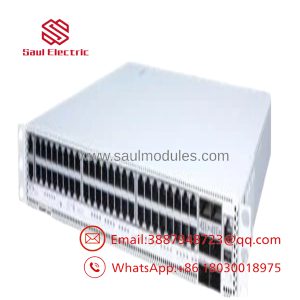
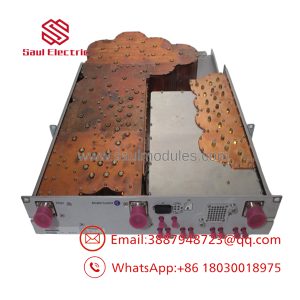
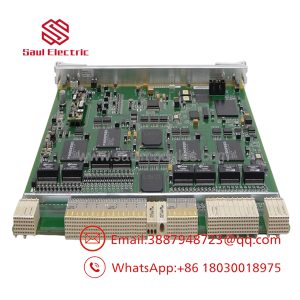
The Alcatel-Lucent 9396 Digital 2U Node B is a 3G UMTS/W-CDMA base-station platform. It sits between the radio equipment and the mobile core network, handling the baseband-side functions required for a UMTS cell site. Its compact 2U implementation made it suitable for deployments where rack space and site integration were important constraints.
The platform was designed to work with Alcatel-Lucent’s broader 93xx Node B architecture, including radio heads and related baseband hardware. Technical documentation also identifies the 9396 specifically as a digital 2U Node B and provides separate documentation for its hardware description and technical characteristics.
Technical Specifications
| Parameter | Specification |
|---|---|
| Manufacturer | Alcatel-Lucent |
| Model | 9396 |
| Product Description | Digital 2U Node B |
| Radio Technology | UMTS / W-CDMA |
| Network Generation | 3G |
| Equipment Category | Radio Access Network |
| Physical Format | 2U digital Node B |
| Architecture | 93xx Node B family |
| Baseband Association | UCU-III architecture documented for 93xx equipment |
| Radio Integration | Supports associated Alcatel-Lucent radio equipment/RRH configurations |
| Deployment Variants | Indoor and outdoor configurations documented |
| Technical Document | 9396 Digital 2U Node B Technical Description, document 401-382-964 |
Alcatel-Lucent documentation lists the 9396 digital 2U Node B Technical Description as document 401-382-964, while the 939x fault-management documentation lists a separate 9396 digital 2U Node B OAM document.
Radio Integration
The 9396 was part of a Node B architecture that could work with remote radio heads. For example, Alcatel-Lucent’s RRH 2×60 W documentation states that the standard configuration supported up to three sectors per 9396 d2U Base Band Unit (BBU). That documentation also specifies -48 V DC operation and 850 MHz/1900 MHz radio variants for the associated RRH equipment.
That distinction matters: 9396 is the Node B/baseband platform, not the RF power amplifier or antenna itself.
Field Application & the “Trench” Experience
Consider a legacy UMTS site where one of several 3G sectors begins dropping traffic after a maintenance intervention. The engineer traces the fault through the radio path and eventually determines that the problem is associated with the Node B/baseband equipment rather than the antenna system.
With a 9396 deployment, the replacement decision has to account for the complete site architecture. A listing for the 9396 outdoor configuration, for example, identifies a SD-2R624-01 Digital 2U Node B with UCU-III and AEB-24 alarm hardware. That is a good reminder that “9396” by itself does not always identify the entire field configuration.
Specific application scenarios
- Legacy UMTS macrocell site — maintain an existing 3G W-CDMA access node without replacing the entire radio-access architecture.
- Multi-sector 9396 deployment — support multiple sectors through the 9396 d2U baseband configuration and associated radio heads.
- Outdoor Node B installation — use the appropriate 9396 outdoor assembly where the equipment configuration includes integrated baseband, alarm, and radio-access hardware.
- 3G network maintenance stock — retain a complete 9396 or compatible subassembly as a strategic spare for aging UMTS infrastructure.
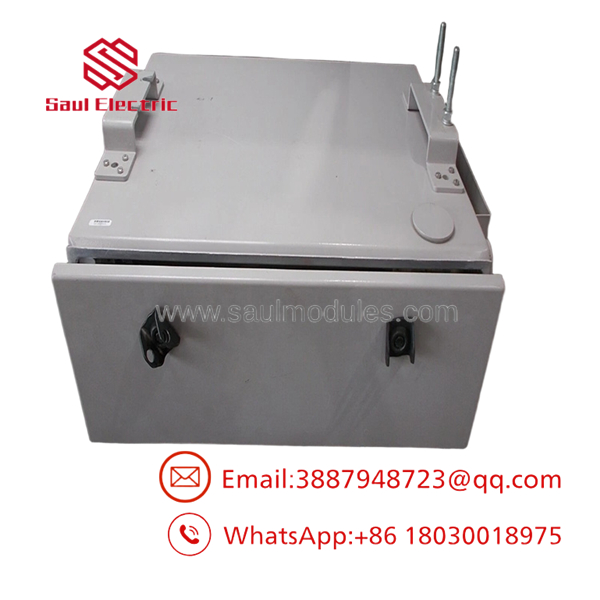
9396
Transparency SOP — QA & Testing
For a 9396 New Surplus or Refurbished unit, identification is only the first stage. A proper telecom spare inspection should include:
Part identification
- Verify the exact 9396 designation.
- Record the product code, serial number, and hardware revision.
- Determine whether the unit is an indoor 2U assembly, outdoor configuration, or a subassembly.
Hardware inspection
- Inspect connectors, card guides, chassis, cooling paths, power interfaces, and alarm interfaces.
- Check for corrosion or moisture exposure on outdoor equipment.
- Inspect the UCU/baseband hardware where included.
Functional verification
- Confirm power-up behavior.
- Verify Node B hardware recognition.
- Check alarms and fault indications.
- Where a suitable test environment exists, verify communication with the applicable radio equipment and management system.
Documentation
Keep photographs of the identification labels and record the complete configuration. This is especially important because current secondary-market listings show both a generic 9396 Digital 2U NodeB Indoor and a more specifically configured SD-2R624-01 outdoor Node B with UCU-III/AEB-24.
The Veteran’s Tech Trap Guide
⚠️ Trap #1 — “9396” is not always a complete ordering description
There are different physical and deployment configurations. The documentation distinguishes 9396 digital 2U and 9396 digital 4U Node B products. Do not order a 9396 without confirming the physical configuration.
PRO TIP: Put the following information on the RFQ:
9396 + Digital 2U + indoor/outdoor + complete part number + hardware revision
⚠️ Trap #2 — Confusing the Node B with the RRH
The 9396 is the digital Node B/baseband equipment. The RRH is a separate radio-side component. Alcatel-Lucent documentation explicitly describes RRH configurations associated with the 9396 d2U BBU.
⚠️ Trap #3 — Forgetting the sector configuration
The RRH documentation states a standard configuration of up to three sectors per 9396 d2U BBU. Before replacing equipment, document the existing sector and radio configuration rather than treating the Node B as a standalone box.
⚠️ Trap #4 — Ignoring outdoor environmental history
An outdoor 9396 assembly has a very different maintenance history from a clean indoor rack unit. Inspect seals, connectors, corrosion, and evidence of moisture exposure before accepting refurbished stock.
Dynamic FAQ
Q1. What is the Alcatel-Lucent 9396?
It is a digital 2U Node B for Alcatel-Lucent’s UMTS/W-CDMA 3G radio-access network equipment.
Q2. Is the 9396 a 3G base station?
Yes. More precisely, it is a UMTS/W-CDMA Node B, the 3G radio-access network element responsible for baseband-side Node B functions.
Q3. What is the difference between 9396 digital 2U and digital 4U?
They are different physical Node B configurations. Alcatel-Lucent’s 93xx documentation lists separate technical documentation for the digital 2U and digital 4U versions.
Q4. Can the 9396 work with remote radio heads?
Yes. Alcatel-Lucent’s RRH documentation specifically describes configurations in which the 9396 d2U BBU supports associated RRH equipment, including up to three sectors in the referenced configuration.
Q5. What should I verify before purchasing a replacement 9396?
Confirm the Digital 2U designation, complete product code, hardware revision, indoor/outdoor configuration, UCU configuration, alarm hardware, and associated radio equipment. Do not rely on “9396” alone.
Q6. Is New Surplus 9396 available?
The secondary market currently contains 9396 equipment, including indoor and outdoor configurations. Condition varies, so a New Surplus purchase should include label photographs, serial/traceability information, functional-test evidence, and written warranty/DOA terms.

 Start Chat


