





Description
Product Introduction
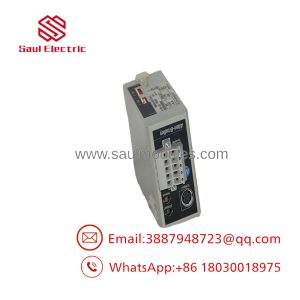
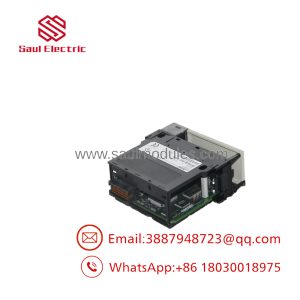
The Allen-Bradley 1746-OBP16 is a high-current sourcing DC output module designed for the SLC 500 control platform. It provides sixteen transistor outputs for controlling larger 24 VDC field loads, including pneumatic solenoid valves, hydraulic valve manifolds, DC contactors, and other devices requiring higher output current than standard digital output modules.
Unlike the standard 1746-OB16, the 1746-OBP16 is intended for heavier loads and includes a fused common circuit along with fast turn-off circuitry for inductive devices. In our field experience, this makes it a common choice for machines where valve response time directly affects production cycle time. Verify that your field wiring requires a sourcing output before ordering.
Key Technical Specifications
| Parameter | Value |
|---|---|
| Manufacturer | Allen-Bradley / Rockwell Automation |
| Catalog Number | 1746-OBP16 |
| Product Family | SLC 500 |
| Module Type | High Current Digital DC Output Module |
| Number of Outputs | 16 |
| Output Type | Sourcing Transistor |
| Operating Voltage | 20.4–26.4 VDC |
| Continuous Current per Point | 1.5 A @ 30°C, 1.0 A @ 60°C |
| Continuous Current per Module | 6.4 A |
| Minimum Load Current | 1 mA |
| ON Delay | 0.1 ms Maximum |
| OFF Delay | 1.0 ms Maximum |
| Surge Current | 4 A for 10 ms per Output |
| OFF-State Leakage | 1 mA Maximum |
| Backplane Current Draw | 250 mA @ 5 VDC |
| Special Feature | Fused Common with Blown Fuse LED |
| Installation | Standard 1746 SLC 500 Chassis |
| Lifecycle Status | Discontinued |
Application Scenarios & The “Trench” Experience
Here’s one that usually happens during a shutdown when everyone is in a hurry.
Maintenance replaces a failed output module. The PLC program runs perfectly, but none of the hydraulic valves energize. The new module checks out electrically. Power supplies are healthy.
Then someone notices the fuse indicator.
The common output fuse opened because one field solenoid had a shorted coil. Replacing the PLC module solved nothing until the field fault was repaired.
Typical applications include:
- Packaging Industry – Driving high-current pneumatic valve manifolds where rapid valve release shortens machine cycle times.
- Automotive Manufacturing – Controlling hydraulic clamps and larger DC contactors requiring more current than standard output modules.
- Material Handling – Switching conveyor brake assemblies and heavy-duty relay banks operating on 24 VDC.
- Metal Processing – Operating hydraulic directional valves used on presses and forming equipment.
- Food & Beverage – Controlling large pneumatic actuators in filling, capping, and palletizing systems.
Field Case
A bottling facility experienced repeated output failures on one filling machine. Three output modules had been replaced over several months, yet the same channel continued to fail.
The problem wasn’t the PLC.
A damaged solenoid cable inside the machine frame intermittently shorted to ground whenever the actuator extended. After replacing the cable and installing a tested 1746-OBP16, the machine completed several weeks of continuous production without another output fault. Sometimes the module is only the messenger.
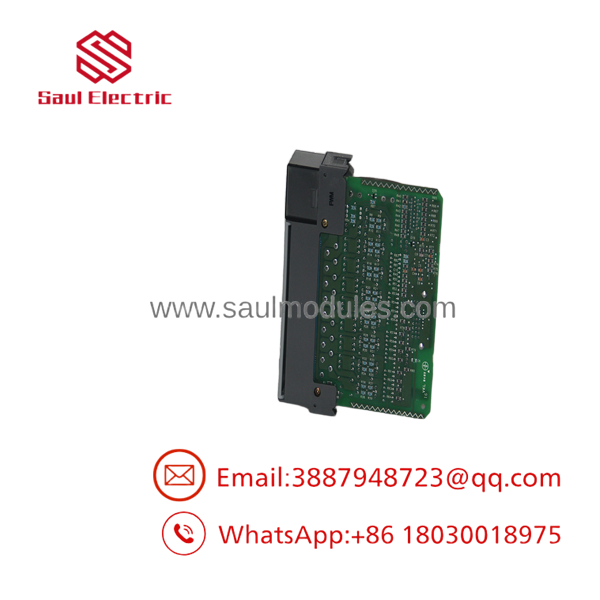
- 1746-OBP16
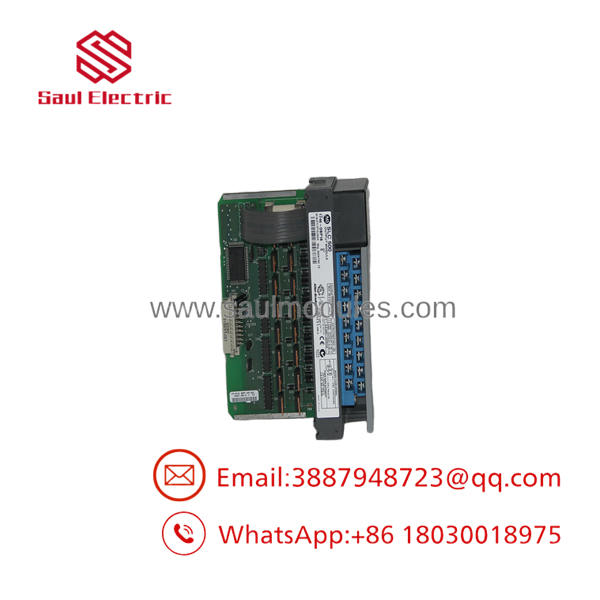
- 1746-OBP16
Transparency SOP: Quality Assurance & Testing
We don’t just ship boxes; we test them on actual Allen-Bradley SLC 500 racks.
- Inbound Inspection
- Verify catalog number, hardware revision, and serial labels.
- Inspect PCB, fuse holder, connectors, and output terminals.
- Check for counterfeit markings or unauthorized repairs.
- Live Rig Testing
- Install the module in a working SLC 500 chassis.
- Verify processor recognition and diagnostics.
- Exercise all sixteen outputs under rated DC loads.
- Electrical Parameter Checks
- Measure output voltage drop.
- Verify current capability on each channel.
- Test fused common operation and blown-fuse indicator.
- Confirm fast turn-off response.
- Hardware Verification
- Record hardware revision.
- Verify compatibility with supported SLC processors.
- Final QC & Packaging
- Complete functional inspection.
- Clean edge connectors.
- Package in anti-static materials with protective cushioning.
The Veteran’s Tech Trap Guide
⚠️ Check the field load before replacing the module. A shorted solenoid coil will open the common fuse and make the replacement module appear faulty within seconds.
⚠️ Don’t overlook the blown-fuse LED. It exists for a reason. If it’s illuminated, investigate the field wiring before installing another module.
❗ This is a sourcing output module. Installing it where a sinking output is required will leave every field device inactive even though the PLC logic appears correct.
⚠️ Avoid adding suppression diodes unless required by the application. The 1746- incorporates fast turn-off circuitry for inductive loads. An external diode placed directly across the load can slow release time and defeat the fast turn-off characteristic.
Always verify wiring, fuse ratings, load current, and terminal assignments against the official Rockwell documentation before applying power.
Frequently Asked Questions (FAQ)
Q1. Can the 1746- be hot-swapped?
No. The SLC 500 platform does not support live replacement of digital output modules. Always remove chassis power before installing or removing the module.
Q2. What makes the 1746- different from the 1746-OB16?
The 1746- is designed for higher-current applications, supports up to 1.5 A per output (at 30°C), includes a fused common, and provides fast turn-off circuitry for inductive loads.
Q3. Is this a sourcing or sinking output module?
It is a 24 VDC sourcing transistor output module. Field devices must be wired accordingly.
Q4. Why is there a blown-fuse indicator?
The module protects the output common with an internal fuse. If excessive current or a field short occurs, the fuse opens and the LED provides a quick diagnostic indication, reducing troubleshooting time.
Q5. Is the 1746- still manufactured?
No. It belongs to the discontinued SLC 500 product family. Most available units are sourced from verified surplus inventories or professionally refurbished stock.
Q6. Are refurbished modules dependable?
Yes, provided each module undergoes live rack testing, channel-by-channel load testing, fuse verification, and electrical inspection before shipment. Cosmetic appearance alone should never be used to judge reliability.
Q7. What warranty is typically provided?
Most established industrial automation suppliers provide a 12-month warranty on qualified new surplus and professionally refurbished 1746- modules covering functional defects under normal industrial operating conditions. Always confirm warranty terms before purchase.

 Start Chat


