





Description
Product Introduction
The Allen-Bradley 1747-L511 is an SLC 5/01 processor for the SLC 500 PLC platform. It provides 1K of user program memory, communicates through a built-in DH-485 port, and manages discrete and analog I/O for small to medium industrial automation systems. It is commonly found in legacy machine controls, packaging equipment, and material handling applications.
In our field experience, the 1747-L511 remains common in facilities that continue to operate proven SLC 500 equipment. Its biggest limitation is communication. Unlike later SLC processors, the 5/01 cannot initiate network messaging and offers only a single DH-485 communication channel. If your application requires Ethernet or Data Highway Plus, a newer processor should be considered instead.
Key Technical Specifications
| Parameter | Value |
|---|---|
| Manufacturer | Allen-Bradley / Rockwell Automation |
| Catalog Number | 1747-L511 |
| Product Family | SLC 500 |
| Processor Type | SLC 5/01 CPU |
| User Memory | 1K Instructions |
| Communication Port | DH-485 |
| Communication Capability | Receives messages and replies only |
| Maximum Local I/O | 960 Points |
| Maximum Local Analog I/O | 480 Points |
| Maximum Local Chassis | 3 |
| Maximum Local Slots | 30 |
| Typical Program Scan | 4.8 ms per Kword |
| Typical I/O Scan | 1.6 ms |
| EEPROM Backup | Supported |
| Battery Backup | Optional RAM Battery |
| Compatible Power Supplies | 1746-P1 through 1746-P7 |
| Backplane Current | 90 mA @ 5 VDC |
| Lifecycle Status | Discontinued (January 31, 2017) |
Application Scenarios & The “Trench” Experience
Here’s a situation many maintenance engineers recognize.
Production stops after a processor failure. A replacement 1747-L511 is installed, but nobody can download the backup program because they only brought a standard serial cable.
The processor isn’t defective.
The problem is communication. The SLC 5/01 communicates through DH-485, not a standard RS-232 programming port.
Typical applications include:
- Packaging Industry — Operating small packaging machines with straightforward discrete I/O requirements.
- Material Handling — Controlling conveyors, diverters, and accumulation systems using DH-485 networks.
- Water Treatment — Managing local pump stations and valve sequencing.
- Food Processing — Controlling mixers, conveyors, and packaging equipment with proven SLC 500 hardware.
- OEM Machinery — Supporting legacy machines where long-term software compatibility is more important than adding new networking features.
Field Case
A plastics plant experienced an unexpected processor failure on a twenty-year-old extrusion line. Maintenance had a spare 1747-L511 on the shelf and replaced it within minutes.
The line still would not restart.
The engineering laptop could not communicate because only an RS-232 cable was available. After obtaining the proper DH-485 interface, the backup program was downloaded, I/O was verified, and production resumed. The replacement processor was never the issue. The missing communication interface delayed startup by nearly four hours.
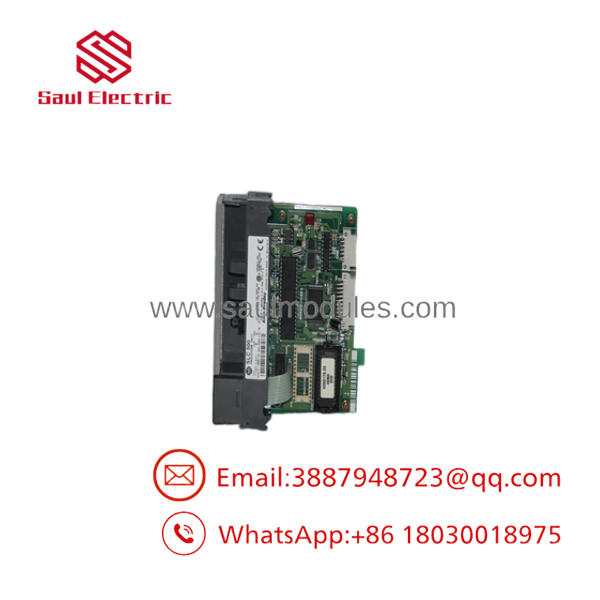
- 1747-L511
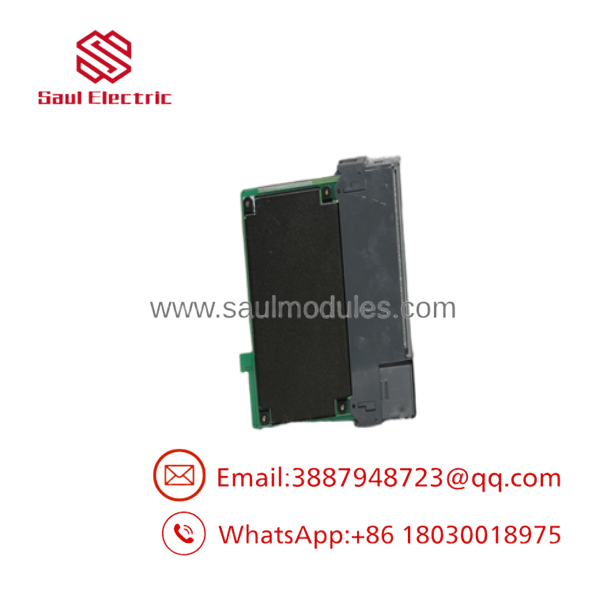
- 1747-
Transparency SOP: Quality Assurance & Testing
We don’t just ship boxes; we test them on actual Allen-Bradley SLC 500 racks.
- Inbound Inspection
- Verify catalog number, hardware series, and serial identification.
- Inspect processor connector, enclosure, and key switch.
- Screen for counterfeit labels and unauthorized repairs.
- Live Rack Testing
- Install the processor in a functioning SLC 500 chassis.
- Verify successful boot sequence and diagnostic LEDs.
- Download and execute a verified RSLogix 500 application.
- Electrical Parameter Checks
- Verify 5 VDC backplane current consumption.
- Test DH-485 communication.
- Confirm processor scan and memory retention.
- Memory Verification
- Test EEPROM functionality.
- Verify optional battery-backed RAM operation.
- Record processor revision.
- Final QC & Anti-static Packaging
- Complete functional inspection.
- Clean backplane connector.
- Package in ESD-safe protective materials.
The Veteran’s Tech Trap Guide
⚠️ Don’t expect Ethernet connectivity. The 1747- supports DH-485 only. If you arrive with only an Ethernet cable or standard serial cable, you’re not programming this processor today.
⚠️ Verify memory before downloading. With only 1K of user memory, applications written for larger SLC processors cannot simply be transferred into a 1747-.
❗ Protect the backup battery. If battery-backed RAM loses power without an EEPROM backup, the application program can be lost permanently.
⚠️ Check processor compatibility before upgrading. Moving from a 5/01 to a 5/03, 5/04, or 5/05 often requires communication changes, hardware verification, and software modifications. Verify the complete system architecture before replacing the CPU.
Always confirm processor firmware, communication method, and memory requirements using the official Rockwell documentation before commissioning.
Frequently Asked Questions (FAQ)
Q1. What communication protocol does the 1747- use?
The processor includes a DH-485 communication port. It does not provide Ethernet or DH+ communication.
Q2. How much program memory is available?
The processor provides 1K of user instruction memory, making it suitable for relatively small SLC 500 applications.
Q3. Can the 1747- initiate network messaging?
No. The SLC 5/01 can receive messages and reply to command messages, but it cannot initiate messaging on the DH-485 network. This is one of its principal limitations compared with later SLC processors.
Q4. Is the 1747- still manufactured?
No. Rockwell Automation officially discontinued the on January 31, 2017. Replacement units are generally available only as new surplus or professionally refurbished inventory.
Q5. Can I replace a 1747- with a higher-performance SLC processor?
Yes, in many cases, but verify the communication network, available memory, processor firmware, and RSLogix 500 project compatibility before upgrading. Direct substitution without reviewing the application can introduce unexpected issues.
Q6. Are refurbished processors dependable?
They can be, provided they undergo complete processor diagnostics, memory retention testing, communication verification, EEPROM validation, and live rack operation. Functional testing is far more meaningful than cosmetic appearance.
Q7. What warranty is typically provided?
Most reputable industrial automation suppliers offer a 12-month warranty on qualified new surplus and professionally refurbished processors, covering functional defects under normal industrial operating conditions.

 Start Chat


