





Description
Product Introduction & Engineering Value
The Allen-Bradley 1747-L541 (SLC 5/04) is a major leap in communication speed and execution performance within the SLC 500 family. Designed around Rockwell’s high-speed Data Highway Plus (DH+) network infrastructure, this processor transmits messaging data at up to 230.4 kbps—far surpassing legacy DH-485 connections.
Equipped with 16K words of configurable memory, native floating-point math, online programming capabilities, and a built-in real-time clock, the 1747-L541 is a staple across automotive assembly plants, water treatment facilities, and process skids tied into plant-wide PLC-5 or ControlLogix networks.
Technical Specifications
| Specification | Parameter Value |
| Processor Type | SLC 5/04 |
| User Memory | 16K Words (Configurable Program and Data Files) |
| Bit Execution Time | 0.9 µs minimum |
| Onboard Comm Ports | Port 1: Data Highway Plus (DH+ 3-pin phoenix); Port 2: RS-232 (DF1, ASCII, DH-485 protocol support) |
| DH+ Baud Rates | 57.6 kbps, 115.2 kbps, 230.4 kbps |
| Max Local I/O Capacity | 4,096 discrete points (up to 3 chassis / 30 slots max) |
| Backplane Current (5V DC) | 1.0 A (1000 mA) |
| Backplane Current (24V DC) | 200 mA |
| Program Backup Options | Lithium battery (1747-BA) required for volatile RAM retention |
| Flash Memory Support | 1747-M11, M12, or M13 non-volatile flash memory modules |
| Operating Temperature | 0°C to 60°C (32°F to 140°F) |
Field Application & The “Trench” Experience
In a large automotive stamping facility, a central PLC-5 host lost peer-to-peer messaging from a scrap conveyor skid when the skid’s older SLC 5/04 CPU suffered an internal DH+ transceiver failure. The loss of handshake bits brought the main press line to an emergency stop. Technicians swapped in a bench-tested 1747-L541, matched the DH+ node address via RSLogix 500 over the front RS-232 port, reconnected the 3-pin DH+ cable plug, and placed the keyswitch in RUN. Network sync restored immediately, returning the main press line to full operation without altering plant-wide SCADA parameters.
- Plant-Wide PLC-5 & SCADA Networks: Exchanging real-time peer messaging over DH+ with PLC-5 processors or 1756-DHRIO ControlLogix gateways.
- Complex Multi-Zone Conveyor Automation: Executing high-speed bit shifts, math calculations, and indirect array indexing across multi-rack material handling lines.
- Remote Tank Farm Telemetry: Processing analog sensor scaling with native floating-point math while delivering serial telemetry over radio modems using the RS-232 port.
Transparency SOP: QA & Testing
- Dual Port Physical & Pin Inspection: Auditing the 3-pin DH+ connector, RS-232 9-pin D-sub connector, keylock switch mechanism, and backplane gold edge contacts.
- Dual Port Live Communication Audit: Connecting the CPU to an active DH+ trunkline at 230.4 kbps and concurrently executing RSLogix 500 programming sessions via the RS-232 serial port.
- 16K RAM & Memory Retention Test: Loading a full 16K memory test project into processor RAM, cycling chassis power, and testing volatile retention with a 1747-BA lithium battery.
- Thermal Burn-In & Multi-Chassis Scan: Running the module in Slot 0 of a multi-chassis test rack inside a thermal chamber for 12 hours while monitoring program execution and backplane power rails.
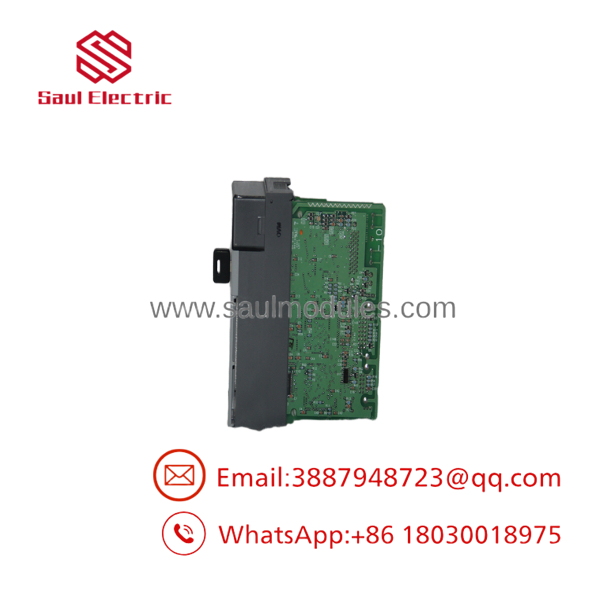
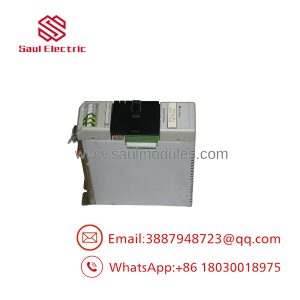
- 1747-L541
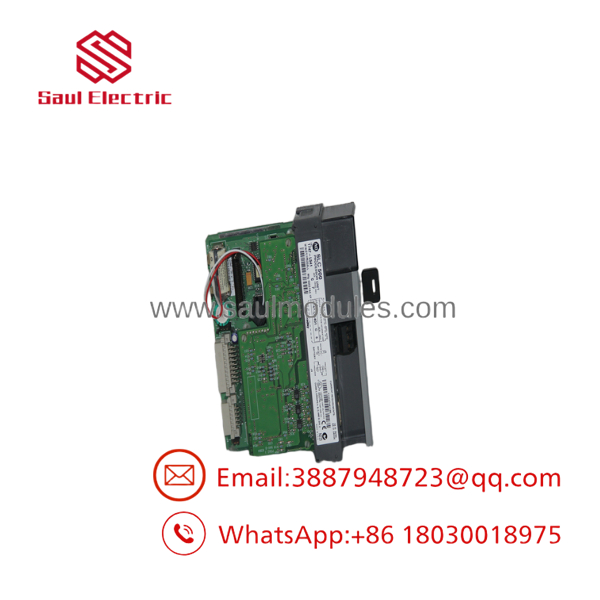
- 1747-L541
The Veteran’s Tech Trap Guide
- ⚠️ DH+ Node Address Collision: On a Data Highway Plus network, every device must have a unique octal node address. Before bringing a replacement 1747-L541 online, verify its DH+ node address setting in the project file offline. Connecting a replacement CPU with a duplicate node address will cause immediate network packet collisions and drop existing nodes off the line.
- PRO TIP: Serial Port Multipurpose Configuration: Port 2 (RS-232) can be configured for DF1 Full-Duplex, DF1 Half-Duplex, DH-485, or ASCII text output. If you cannot establish communication through Port 2, use the front key switch (cycle from PROG to RUN to REM) or clear the memory to force the RS-232 port back to its factory default DF1 Full-Duplex settings (19.2k, 8-N-1, CRC).
- ⚠️ Higher 5V DC Backplane Current Draw: The 1747- draws a substantial 1.0 Amp (1000 mA) from the 5V DC backplane rail—significantly more than an SLC 5/01 or 5/02 CPU. Always calculate total chassis current draw to ensure your power supply (e.g., 1746-P1, P2, or P4) has adequate headroom, especially in 10- or 13-slot racks filled with analog or relay cards.
Dynamic FAQ
Q: What is the difference between the 1747-, 1747-L542, and 1747-L543?
A: All three are SLC 5/04 processors featuring DH+ and RS-232 ports, but they differ in memory capacity: the has 16K words, the 1747-L542 has 32K words, and the 1747-L543 has 64K words.
Q: Can I program a 1747- using a standard USB-to-Serial converter?
A: Yes. You can program it through Channel 0 (RS-232 port) using a standard 1747-CP3 null-modem serial cable connected to a quality USB-to-RS232 adapter in RSLogix 500.
Q: Does the 1747- support online programming edits?
A: Yes. Unlike the older SLC 5/01 and 5/02 processors, the SLC 5/04 allows you to make online logic edits without interrupting machine control or taking the processor out of RUN mode.
Q: Are replacement 1747- modules fully tested prior to dispatch?
A: Yes. Every unit undergoes live DH+ network communication testing, dual-port serial handshaking, full 16K memory verification, and backplane load testing.

 Start Chat


