





Description
Product Introduction & Engineering Value
The Allen-Bradley 1756-EN2TD is a specialty, high-performance EtherNet/IP bridge engineered specifically for demanding, long-distance, or high-EMI industrial environments. The “D” designation denotes its dual fiber optic SFP interface capabilities alongside extended operating temperature ratings and protective conformal coating.
By replacing standard copper RJ-45 connections with 100BASE-FX fiber optic links, the 1756-EN2TD provides complete electrical isolation between control chassis, eliminating ground loops and high-voltage electrical noise induced by large variable frequency drives or high-voltage switchgear. Designed with integrated Device Level Ring (DLR) support, it allows plant engineers to form fault-tolerant fiber ring networks across physically separated control cabinets without requiring external managed switches.
Technical Specifications
| Specification | Parameter Value |
| Network Protocol | EtherNet/IP (CIP over Ethernet physical layer) |
| Physical Interface | 2 Fiber Optic Ports (100BASE-FX via SFP modules) |
| Network Topologies | Device Level Ring (DLR), Linear, Star |
| Logix Connections | 256 Total Connections (128 Explicit, 128 Implicit I/O) |
| CIP Unconnected Messages | 128 (128 Rx / 128 Tx) |
| Environmental Protection | Conformal Coated (Class G3 harsh environment protection) |
| Operating Temperature | -25°C to 70°C (-13°F to 158°F) extended range |
| Backplane Current (5.1V DC) | 1.0 A (1000 mA) |
| Backplane Current (24V DC) | 3.0 mA |
| Power Dissipation | 5.1 Watts |
| Diagnostic Display | 4-character alphanumeric LED display & Status LEDs |
Field Application & The “Trench” Experience
In an offshore oil production platform, electrical noise from high-power submersible pumps repeatedly corrupted copper Ethernet signals between a central processing skid and an outdoor remote I/O rack located 350 meters away. Furthermore, salt fog and high humidity caused accelerated pin oxidation on standard RJ-45 modules.
Upgrading the communication links to 1756-EN2TD fiber modules solved both challenges: the 100BASE-FX fiber transceivers provided complete immunity to electromagnetic interference (EMI) across the 350m run, while the module’s factory conformal coating protected internal circuitry against salt air corrosion. Operating continuously in outdoor ambient temperatures exceeding 55°C, the 1756-EN2TD restored uninterrupted DLR link stability with zero packet loss.
- High-EMI Environments: Connecting ControlLogix racks inside electrical substations, arc furnace cells, or near heavy VFD cabinets.
- Corrosive & Extreme Thermal Facilities: Deploying in chemical processing plants, water treatment facilities, and outdoor skid packages subject to -25°C to 70°C temperatures.
- Long-Distance Inter-Chassis Links: Bridging remote ControlLogix chassis across distinct physical buildings or site zones beyond the 100-meter copper Ethernet limit.
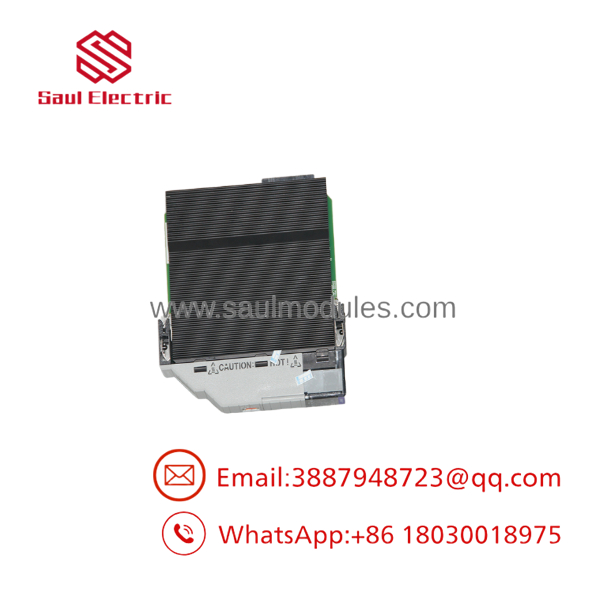
- 1756-EN2TD
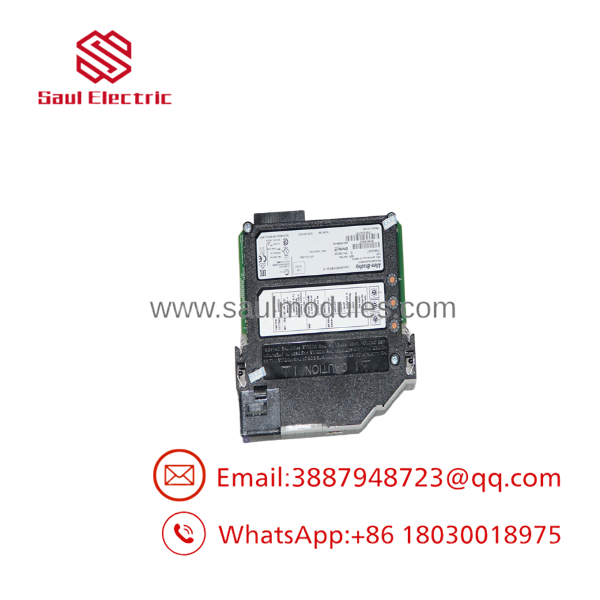
- 1756-EN2TD
Transparency SOP: QA & Testing
- SFP Optical Transceiver & Physical Audit: Inspecting optical fiber SFP cages, dust covers, diagnostic LED array, backplane gold edge connectors, and verifying intact conformal coating seals across all SMT components.
- Dual-Port Fiber DLR Ring Verification: Installing the 1756- in a active fiber DLR test loop; cutting Port 1 fiber link under active 256-connection load to confirm seamless (<3 ms) failover to Port 2.
- 256 Connection Load & Bandwidth Stress Audit: Polling the card at maximum packet rates using Studio 5000 / RSLinx to verify internal CPU and memory stability without packet drops or frame buffer overruns.
- Thermal & Harsh Environment Simulation: Subjecting the card to extended thermal cycling (-25°C to 70°C) inside a test chamber for 12 hours while verifying optical power levels and backplane current draw.
The Veteran’s Tech Trap Guide
- ⚠️ Requires Compatible 100BASE-FX SFP Transceivers: Unlike standard RJ-45 cards (like the 1756-EN2T), the 1756- features open SFP slots. Ensure you install industrial-grade, Allen-Bradley approved 100BASE-FX SFP optical transceivers (such as LC multi-mode or single-mode SFPs) rated for the required fiber core diameter and distance span.
- PRO TIP: Understanding the “D” Suffix: In Rockwell’s part naming scheme, 1756-EN2T is standard dual-port copper RJ-45, 1756-EN2TR is dual-port copper DLR, and combines Dual Fiber SFP ports, Conformal Coating, and Extended Temperature specs into a single hardened module.
- ⚠️ Do Not Exceed Fiber Bending Radii: Fiber optic jumper cables used with the 1756- are susceptible to attenuation loss if bent beyond their minimum bend radius inside tight enclosure wireways. Always maintain clean optical connector faces (use fiber cleaning pens prior to insertion) to prevent link signal degradation.
Dynamic FAQ
Q: What is the primary difference between a 1756-EN2T and a 1756-?
A: The standard 1756-EN2T uses copper RJ-45 ports and standard temperature ratings (0–60°C). The features dual Fiber Optic SFP ports, factory Conformal Coating, and an Extended Temperature rating (-25°C to 70°C).
Q: Does the 1756- support Device Level Ring (DLR) topology?
A: Yes. The 1756- fully supports EtherNet/IP DLR ring networks directly over its dual fiber optic ports without requiring external media converters.
Q: Can I use single-mode or multi-mode fiber with the 1756-?
A: Yes, depending on the SFP transceivers installed in the module’s dual ports. Multi-mode SFPs are typically used for distances up to 2 km, while single-mode SFPs can be used for significantly longer distances.
Q: Are replacement 1756- modules fully bench-tested before shipping?
A: Yes. Every 1756- module undergoes optical port power checks, DLR ring failover testing, 256-connection load testing, and extended thermal chamber verification prior to dispatch.

 Start Chat


