





Description
Product Introduction & Engineering Value
The Allen-Bradley 1756-L62 is a workhorse controller in the ControlLogix 5562 family, delivering double the memory capacity of the standard 1756-L61 (4 MB vs. 2 MB). It represents a significant architectural leap over early L1 and L55 processors by offering significantly faster logic execution speeds, expanded multi-tasking capabilities, and removable CompactFlash non-volatile memory (1784-CF128).
Engineered for mid-to-large-scale industrial processing lines, coordinated multi-axis motion control, and high-density network topologies (EtherNet/IP, ControlNet, DeviceNet), the 1756-L62 supports RSLogix 5000 firmware versions from v12 up through v20. It allows engineers to store complete controller projects—including firmware, logic routines, and user documentation—directly on the removable CompactFlash card for quick field replacement without a PC.
Technical Specifications
| Specification | Parameter Value |
| Module Type | ControlLogix 5562 CPU Processor |
| User Logic & Data Memory | 4.0 MB |
| I/O Memory | 474 KB |
| Non-Volatile Memory | Optional CompactFlash (1784-CF128 – up to 128 MB) |
| Communication Port | RS-232 Serial (DF1 / DH-485 / ASCII via 1756-CP3) |
| Backup Battery Type | 1756-BA2 (Lithium Battery Assembly) |
| Backplane Current (5.1V DC) | 1200 mA (1.20 A) |
| Backplane Current (24V DC) | 14 mA |
| Power Dissipation (Max) | 3.5 Watts |
| Programming Software | RSLogix 5000 (Versions 12 through 20) |
| Operating Temperature | 0°C to 60°C (32°F to 140°F) |
Field Application & The “Trench” Experience
In a continuous high-speed beverage bottling plant, a 1756-L62 controller managed palletizer motion axes and filling line sequencing over ControlNet. When an unexpected line power surge damaged the controller’s main board during night-shift operations, plant downtime costs began mounting rapidly at thousands of dollars per minute.
Because the engineering team had installed a 1784-CF128 CompactFlash card configured for auto-load on corrupt memory, replacing the unit was seamless. A pre-tested 1756-L62 spare was inserted into Slot 0, the original CompactFlash card was transferred into the new module, and cabinet power was restored. The 1756-L62 automatically restored its firmware, project logic, and tag values from the card without requiring a laptop or software technician on site, bringing the line back online in under 15 minutes.
- High-Speed Packaging & Bottling Lines: Managing complex motion profiles, fast register loops, and dense remote I/O configurations.
- Chemical Batching & Continuous Processing: Handling large tag databases and extensive PID loops in regulated environments.
- Legacy Control System Maintenance: Providing drop-in processor upgrades for legacy systems running RSLogix 5000 v12–v20 without forcing hardware migration to L7x/L8x platforms.
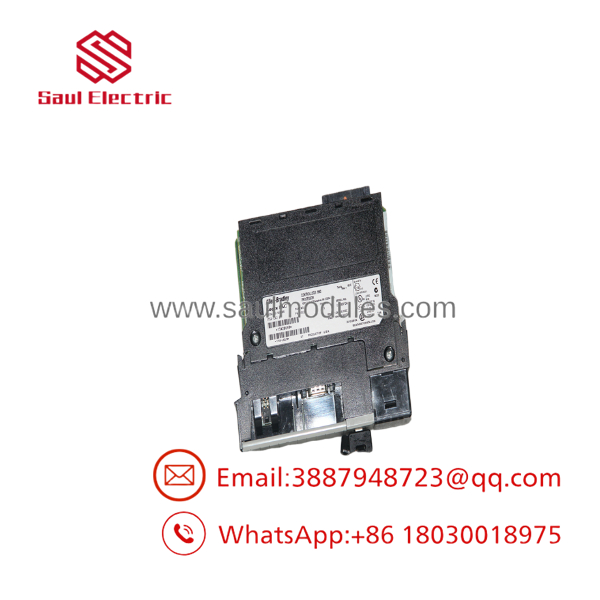
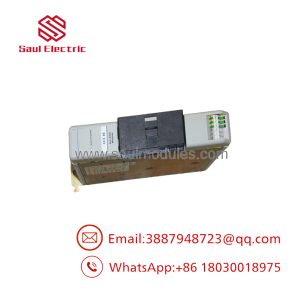
- 1756-L62
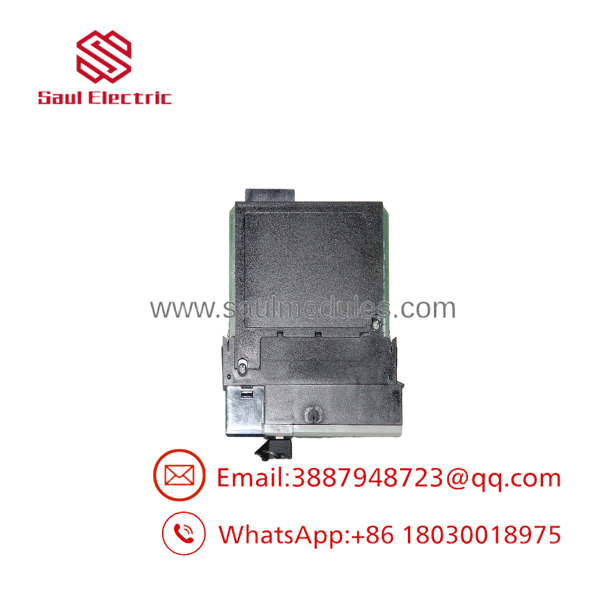
- 1756-L62
Transparency SOP: QA & Testing
- CompactFlash & Socket Inspection: Examining the front CompactFlash card door, socket pin integrity, key switch selector, faceplate LEDs, and backplane contact gold plating.
- Firmware & Serial Communication Verification: Flashing firmware (v12 through v20) and establishing connection over a 1756-CP3 serial cable to verify communication handshake and memory allocation.
- Non-Volatile Boot & Battery Retention Test: Backing up project data to a 1784-CF128 card, disconnecting power with the 1756-BA2 battery removed, and verifying automatic image loading and project restoration upon reboot.
- Thermal Chamber Burn-In: Running heavy ladder and function block execution routines inside a 60°C environmental test cell for 12 hours on a live ControlLogix rack to monitor thermal output and backplane bus stability.
The Veteran’s Tech Trap Guide
- ⚠️ Firmware Version Ceiling (Max v20): The 1756-L62 processor cannot be flashed beyond RSLogix 5000 Version 20. If your project is developed in Studio 5000 Logix Designer (v21+), you must use a ControlLogix L7x (e.g., 1756-L72) or L8x series controller.
- PRO TIP: Industrial Grade CompactFlash Cards Only: Do NOT use standard consumer-grade retail CompactFlash cards in the 1756-L62 slot. The module requires industrial-grade CF cards (such as the 1784-CF128) designed for high write-endurance, thermal extremes, and industrial noise immunity. Consumer cards frequently fail during boot image restoration.
- ⚠️ 1756-BA2 Battery Requirement: Unlike older L1/L55 processors that used the 1756-BA1, the 1756-L62 requires the 1756-BA2 battery assembly. Always check that the red
BATLED on the front door is OFF after installation to ensure volatile RAM memory is protected during power losses.
Dynamic FAQ
Q: What is the main difference between the 1756-L61 and the 1756-L62?
A: The 1756-L61 provides 2 MB of user memory, while the 1756-L62 provides 4 MB of user memory, doubling the memory capacity for larger programs, tag structures, and motion routines.
Q: What software is used to program the 1756-L62 controller?
A: The 1756-L62 is programmed using RSLogix 5000 (compatible with versions 12 through 20).
Q: Can I load a project onto the 1756-L62 without a serial cable?
A: Yes. If you have a populated 1784-CF128 CompactFlash card containing the compiled project image, inserting the card and setting the load option to “Load Always” will load the program automatically upon power-up.
Q: Are replacement 1756-L62 processors fully bench-tested prior to shipment?
A: Yes. Every 1756-L62 processor undergoes 4MB memory integrity checks, CompactFlash read/write verification, RS-232 serial connection testing, and a 12-hour thermal burn-in at 60°C

 Start Chat


