





Description
Product Introduction & Engineering Value
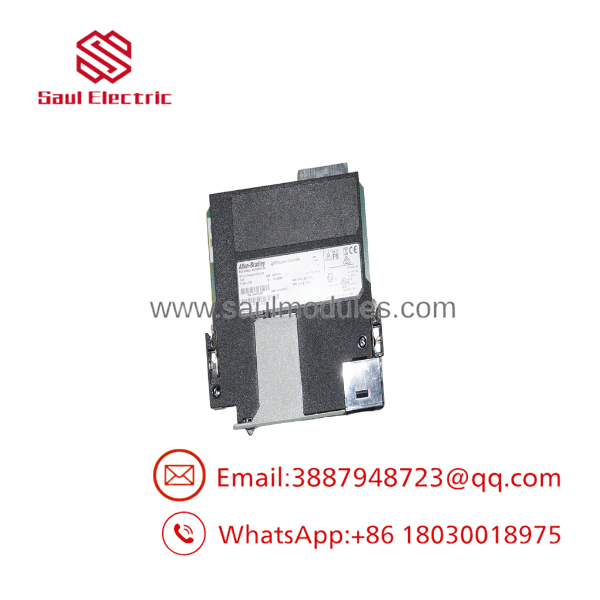
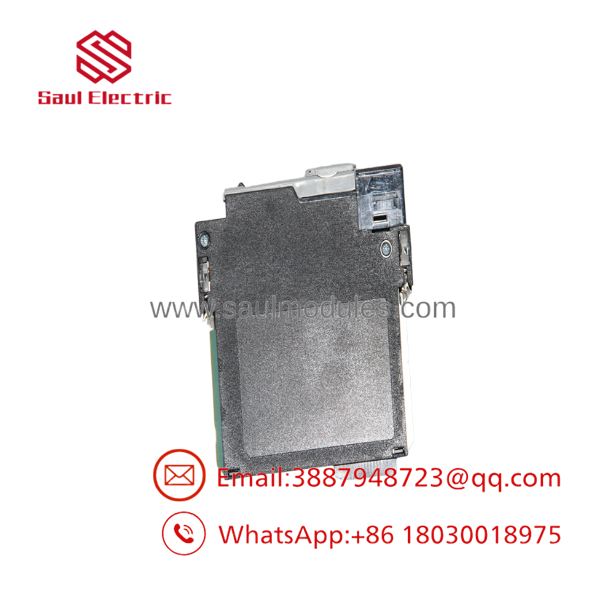
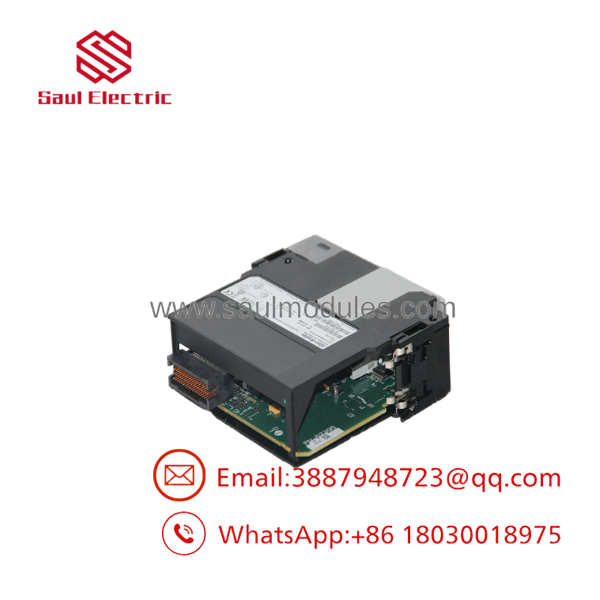
A controller replacement is rarely just a hardware swap. The Allen Bradley 1756-L73S is designed for GuardLogix systems where safety logic, standard automation tasks, and validated application programs must remain coordinated. It provides increased memory capacity compared with lower GuardLogix models while maintaining the same ControlLogix chassis approach.
For maintenance teams supporting mature production lines, the 1756-L73S offers a practical path for extending existing safety controller installations. Before installation, engineers should verify firmware revision, safety project compatibility, controller signature requirements, and the existing Studio 5000 project environment.
Technical Specifications
| Specification | Details |
|---|---|
| Manufacturer | Allen Bradley / Rockwell Automation |
| Catalog Number | 1756-L73S |
| Controller Family | GuardLogix 5570 |
| Controller Type | Safety Integrated Automation Controller |
| Standard Memory | 8 MB |
| Safety Memory | 4 MB |
| Programming Software | Studio 5000 Logix Designer |
| Chassis Platform | ControlLogix 1756 chassis |
| Embedded Communication Port | None |
| Motion Capacity | Supports up to 100 motion axes |
| Nonvolatile Storage | Secure Digital (SD) option |
| Replacement Battery / Energy Storage | 1756-ESMCAP |
| Operating Temperature | 0°C to 60°C (32°F to 140°F) |
Field Application & The “Trench” Experience
A food processing plant running multiple automated packaging stations experienced a controller failure during a planned maintenance shutdown. The existing machine used a GuardLogix safety architecture with validated safety routines, servo motion coordination, and several years of production modifications stored inside the controller project.
The maintenance group installed a replacement 1756-L73S, matched the firmware revision, downloaded the approved Studio 5000 project, and completed safety verification before returning the equipment to production. The key lesson was simple: having the correct catalog number is only the first step. The controller configuration history is equally important.
Typical applications include:
1. High-Speed Robotic Assembly Cells
Safety interlocks, safe stop functions, coordinated motion control, and operator protection zones.
2. Automotive Welding and Fixture Systems
Managing robot cell safety zones, tooling protection logic, and machine permissive sequences.
3. Chemical Batch Skid Protection Systems
Executing emergency shutdown logic, equipment permissives, and safety-related process sequences.
- 1756-L73S
- 1756-L73S
Transparency SOP: QA & Testing
Before shipment, a 1756- should be evaluated through a controlled inspection process.
Inspection checklist:
- Confirm catalog number, series, and hardware identification label.
- Inspect housing, connectors, and chassis interface pins.
- Verify controller powers up correctly in a compatible ControlLogix rack.
- Check processor status indicators and diagnostic messages.
- Confirm recognition through Studio 5000 Logix Designer.
- Record firmware revision and test results.
For safety applications, functional verification should include confirmation that the replacement unit matches the approved project requirements.
The Veteran’s Tech Trap Guide
⚠️ Do not assume an replacement is plug-and-play.
The controller may physically install into the chassis, but firmware and Studio 5000 compatibility determine whether the existing application can be restored.
⚠️ Safety memory is not ordinary controller memory.
A standard project backup alone may not be enough for a validated safety system. Maintain complete project archives, safety documentation, and controller information.
⚠️ Watch the Safety Partner requirement.
GuardLogix L7xS processors are part of a safety controller architecture that depends on proper safety hardware configuration. Verify the complete controller pair and system design before startup.
PRO TIP: Before replacing a running 1756-, save:
- Controller properties
- Firmware revision
- Safety signature information
- Project archive (.ACD file)
- Communication module configuration
This information can reduce recovery time dramatically during an unexpected shutdown.
Dynamic FAQ
1. What is the Allen Bradley 1756- used for?
The 1756- is a GuardLogix 5573S safety controller processor used for integrated safety and standard automation control applications.
2. How much memory does the 1756- have?
The controller provides 8 MB of standard memory and 4 MB of safety memory.
3. Can the 1756- replace a 1756-L72S?
In many systems, yes, but the replacement depends on application size, firmware compatibility, project revision, and safety configuration requirements.
4. Does the 1756- have a built-in Ethernet port?
No. The 1756- does not include an embedded network port. Communication is typically handled through separate ControlLogix communication modules.
5. Is a New Surplus 1756- tested before shipment?
A properly managed New Surplus or refurbished unit should undergo hardware inspection, power-up testing, diagnostics verification, and compatibility checks before delivery.
6. What should buyers verify before purchasing a replacement 1756-?
Confirm:
- Exact catalog number
- Series revision
- Firmware requirements
- Studio 5000 compatibility
- Safety application requirements
- Warranty coverage and test documentation

 Start Chat


