





Description
Product Introduction & Engineering Value
The Allen Bradley 1757-SRM is a System Redundancy Module designed for ProcessLogix and ControlLogix environments requiring controller redundancy. It manages communication between paired controller chassis, allowing one system to operate as the primary controller while maintaining synchronization with the backup chassis.
Unlike a standard communication module, the 1757-SRM is part of a complete redundancy architecture. Successful operation depends on matched controllers, compatible communication modules, correct firmware revisions, and properly configured redundancy connections. This module is commonly found in older high-availability process systems where maintaining the existing architecture is more practical than a complete migration.
Technical Specifications
| Specification | Details |
|---|---|
| Manufacturer | Allen Bradley / Rockwell Automation |
| Catalog Number | 1757-SRM |
| Product Family | ProcessLogix / ControlLogix |
| Module Type | System Redundancy Module |
| Mounting | ControlLogix chassis |
| Module Width | 2 slots |
| Synchronization Interface | Fiber-optic communication |
| Fiber Connector Type | SC type |
| Fiber Cable Type | 62.5/125 μm multimode fiber |
| Backplane Current @ 3.3V DC | 0.75 A |
| Backplane Current @ 5.1V DC | 1.0 A |
| Backplane Current @ 24V DC | 0.160 A |
| Maximum Power Dissipation | 11.28 W |
| Operating Temperature | 0°C to 60°C |
Field Application & The “Trench” Experience
A refinery auxiliary control system was operating with an older ProcessLogix and ControlLogix redundancy arrangement. The plant relied on paired controller chassis to maintain operation of critical process sequences. During preventive maintenance, technicians identified a failing 1757-SRM based on redundancy communication alarms and loss of synchronization status.
The replacement process required more than swapping the module. The maintenance team verified controller firmware compatibility, checked the fiber connection, confirmed identical chassis layouts, and restored the redundant state before returning the system to normal operation.
The field lesson: redundancy modules usually sit quietly for years. When they are needed, every configuration detail matters.
Typical application scenarios:
1. Continuous Chemical Processing Systems
Controller redundancy for batch sequences, reactor controls, and process monitoring.
2. Power Generation Auxiliary Controls
Maintaining availability for equipment supervision and plant utility systems.
3. Large Process Automation Installations
Supporting older ControlLogix and ProcessLogix systems where downtime carries significant operational impact.
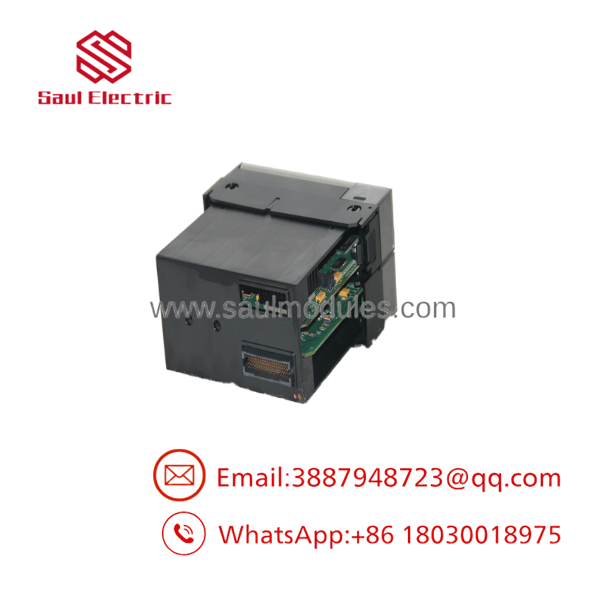
- 1757-SRM
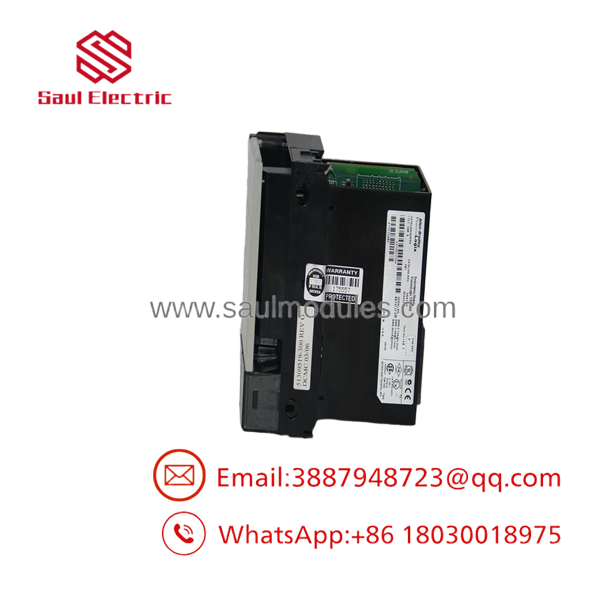
- 1757-SRM
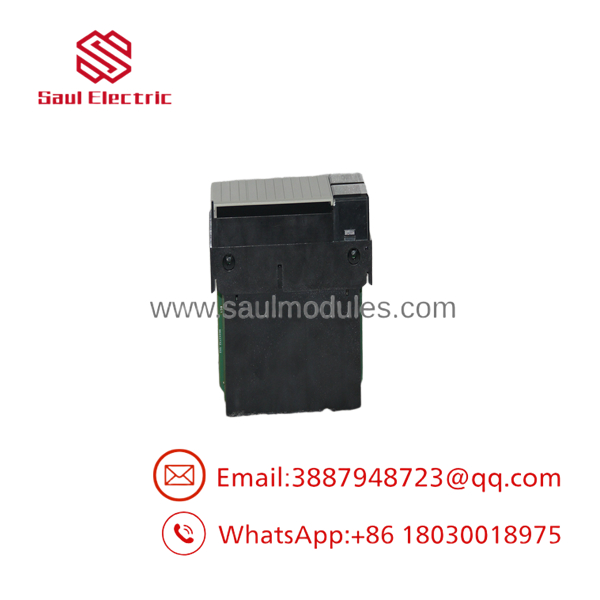
- 1757-SRM
Transparency SOP: QA & Testing
A professional 1757-SRM inspection process should include:
1. Visual and Hardware Inspection
- Confirm catalog number and series.
- Inspect chassis connector pins.
- Check SC fiber ports for contamination or damage.
- Verify module housing condition.
2. Functional Startup Test
- Install into a compatible ControlLogix chassis.
- Verify module power-up sequence.
- Check status indicators and diagnostic messages.
3. Redundancy Communication Test
- Confirm fiber communication link.
- Verify redundancy module recognition.
- Check synchronization behavior with compatible controller hardware.
New Surplus and refurbished units should have documented inspection results before being placed into critical spare inventory.
The Veteran’s Tech Trap Guide
⚠️ Do not confuse 1757-SRM with newer 1756-RM family modules.
Although both relate to controller redundancy, they belong to different generations of Rockwell redundancy architectures. Verify the existing system design before substitution.
⚠️ Firmware compatibility is the first checkpoint.
Older 1757-SRM systems have specific firmware upgrade paths. A mismatch can prevent synchronization even when the hardware appears correct.
⚠️ Fiber problems often look like module failures.
Dirty connectors, damaged fiber, or incorrect cable type can trigger redundancy faults.
PRO TIP: Before removing a working 1757-SRM, record:
- Controller catalog numbers
- Firmware revisions
- Communication module revisions
- Fiber cable part number
- Primary/secondary chassis status
Dynamic FAQ
1. What is the Allen Bradley 1757-SRM used for?
The 1757-SRM is a System Redundancy Module used in ProcessLogix and ControlLogix redundant controller architectures to synchronize paired systems.
2. Does the 1757-SRM execute PLC logic?
No. The module does not run application logic. It manages redundancy synchronization and communication between controller systems.
3. What controllers are compatible with the 1757-SRM?
Compatibility depends on the specific redundancy architecture, controller family, firmware revision, and communication module configuration. Older systems commonly use ControlLogix 5560-class controllers and compatible communication modules.
4. Can a 1757-SRM replace a 1756-RM?
No direct replacement should be assumed. The modules belong to different redundancy generations and require different system designs.
5. What should be checked before installing a replacement 1757-SRM?
Verify:
- Existing redundancy architecture
- Controller model compatibility
- Firmware revision
- Fiber-optic cable condition
- Chassis slot arrangement
- Communication module compatibility
6. Is a New Surplus 1757-SRM tested before shipment?
A qualified supplier should inspect the module, verify startup operation, check diagnostics, and confirm redundancy communication behavior before supplying the unit for industrial service.

 Start Chat


