





Description
Product Introduction & Engineering Value
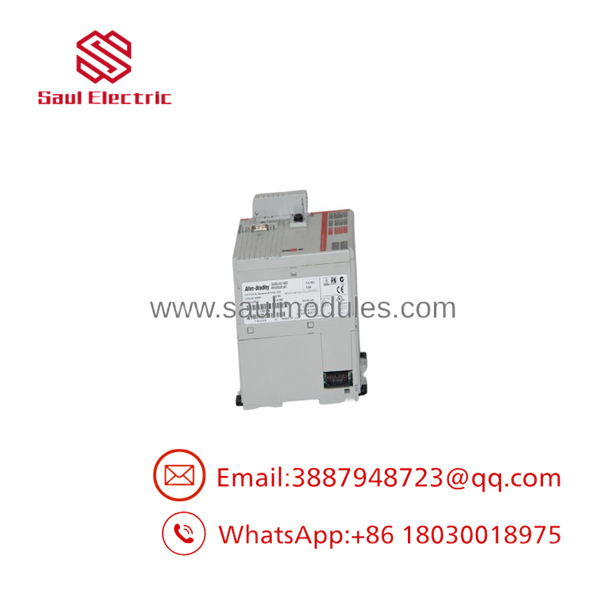
When a safety controller fails, replacing it is rarely as simple as swapping hardware. Safety signatures, firmware revisions, and validated machine documentation all have to match before production can resume. That is why many facilities keep a tested 1768-L43S on the shelf instead of waiting for an emergency procurement.
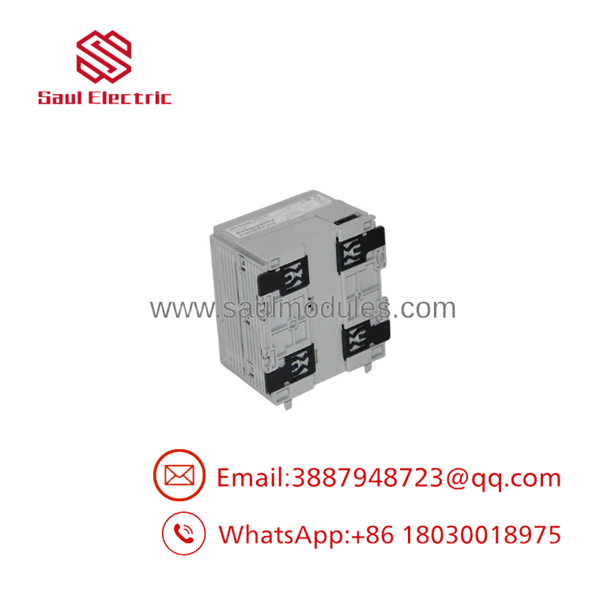
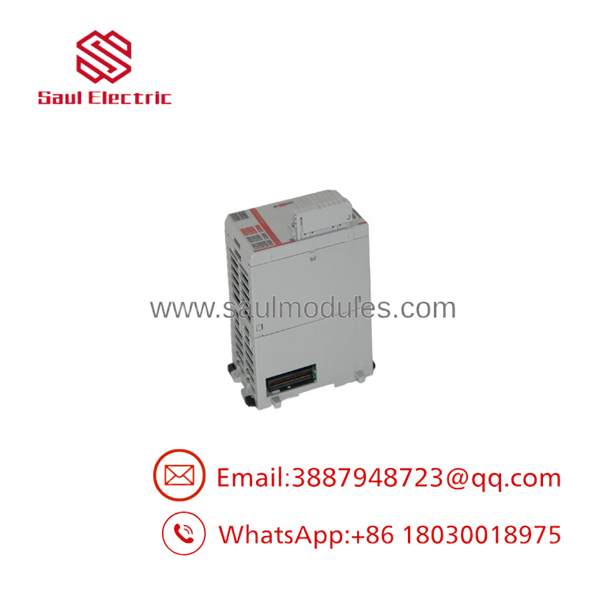
The 1768-L43S combines standard CompactLogix control with GuardLogix safety functionality. For legacy production lines, it allows engineers to preserve validated safety programs while maintaining compatibility with existing 1769 I/O architectures and CompactFlash memory storage.
Technical Specifications
| Specification | Value |
|---|---|
| Manufacturer | Allen-Bradley / Rockwell Automation |
| Catalog Number | 1768-L43S |
| Controller Family | Compact GuardLogix |
| Controller Type | Integrated Safety PLC |
| Standard Memory | 2 MB |
| Safety Memory | 0.5 MB |
| Nonvolatile Memory | CompactFlash |
| Programming Port | Fully isolated RS-232 |
| Maximum Local 1768 Modules | 2 |
| Maximum 1769 I/O Modules | 16 |
| Maximum Communication Modules | 2 |
| Power Supply | 1768-PA3 or 1768-PB3 |
| Power Consumption | Approximately 33.6 W |
| Operating Temperature | 0°C to 60°C |
| Mounting | DIN rail or panel mount |
| Weight | Approximately 0.45 kg |
Technical specifications are based on Rockwell Automation documentation.
Field Application & The “Trench” Experience
A Tier 1 automotive supplier experienced an unexpected shutdown on a robotic welding cell after the safety controller reported unrecoverable faults during startup. Because the production line had already passed machine safety validation years earlier, replacing the entire control platform was not an option during a scheduled weekend outage.
After installing a tested 1768-L43S with the correct firmware revision, the maintenance team restored the validated safety application from CompactFlash, verified the safety signature, and completed functional safety testing before releasing the cell for production. Downtime was limited to a single maintenance shift.
Typical applications include:
- Automotive robotic welding cells with integrated emergency stop and guard-door monitoring.
- High-speed packaging machinery requiring coordinated motion and functional safety.
- Automated palletizing systems using distributed safety I/O over EtherNet/IP.
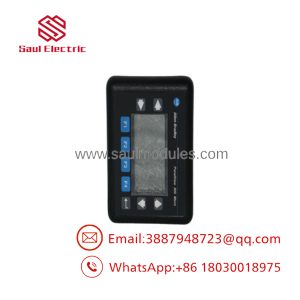
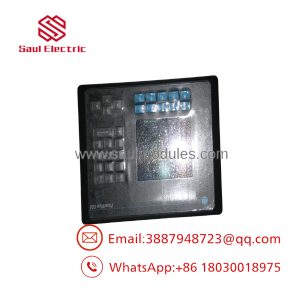
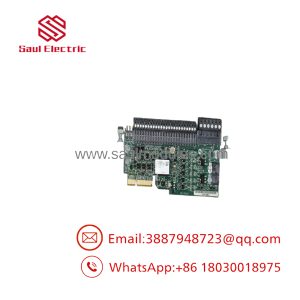
- 1768-L43S
- 1768-L43S
Transparency SOP: QA & Testing
Before shipment, every controller completes a documented inspection process:
- Verify catalog number, revision level, and manufacturer identification.
- Inspect processor housing, connectors, CompactFlash slot, and communication port.
- Install the controller on a certified Compact GuardLogix test bench.
- Confirm successful startup and memory diagnostics.
- Verify communication through the isolated RS-232 interface.
- Confirm standard processor functions and safety memory recognition.
- Record all inspection and functional test results before inventory approval.
New Surplus inventory is inspected for unused physical condition, while refurbished controllers additionally undergo full functional testing and extended power-on verification.
The Veteran’s Tech Trap Guide
⚠️ Safety Signature Mismatch Can Delay Startup
Replacing the processor without verifying the stored safety signature may prevent the machine from returning to production. Always compare the replacement controller with the validated project before commissioning.
⚠️ Firmware Compatibility Is Not Optional
Different firmware revisions may require project conversion in Studio 5000 or RSLogix 5000. Confirm the controller revision before downloading the application.
PRO TIP: Keep a backup of the CompactFlash card as well as the engineering project. Many recovery efforts fail because the controller program exists, but the validated safety configuration or firmware information does not.
Dynamic FAQ
Q1. What is the primary purpose of the 1768-?
The 1768- is a Compact GuardLogix safety controller that executes both standard automation logic and certified safety logic within the same controller platform.
Q2. How much memory does the controller provide?
It includes 2 MB of standard user memory and 0.5 MB of dedicated safety memory, with CompactFlash support for nonvolatile storage.
Q3. How many expansion modules are supported?
The controller supports up to 2 Bulletin 1768 modules and 16 Bulletin 1769 I/O modules, depending on the system architecture.
Q4. Can a 1768- directly replace an existing controller?
Usually, yes, provided the firmware revision, safety application, hardware configuration, and project files are compatible. Safety validation should always be completed before returning the machine to service.
Q5. How is New Surplus inventory verified?
Each unit undergoes catalog verification, physical inspection, communication testing, processor diagnostics, and functional startup testing before shipment.
Q6. Is the 1768- still recommended for new machine designs?
Rockwell Automation continues to support documentation for the platform, but many new projects use newer GuardLogix controller families. The 1768- is most commonly purchased today for maintaining or expanding existing Compact GuardLogix installations.

 Start Chat


